Image Credit: Pexels
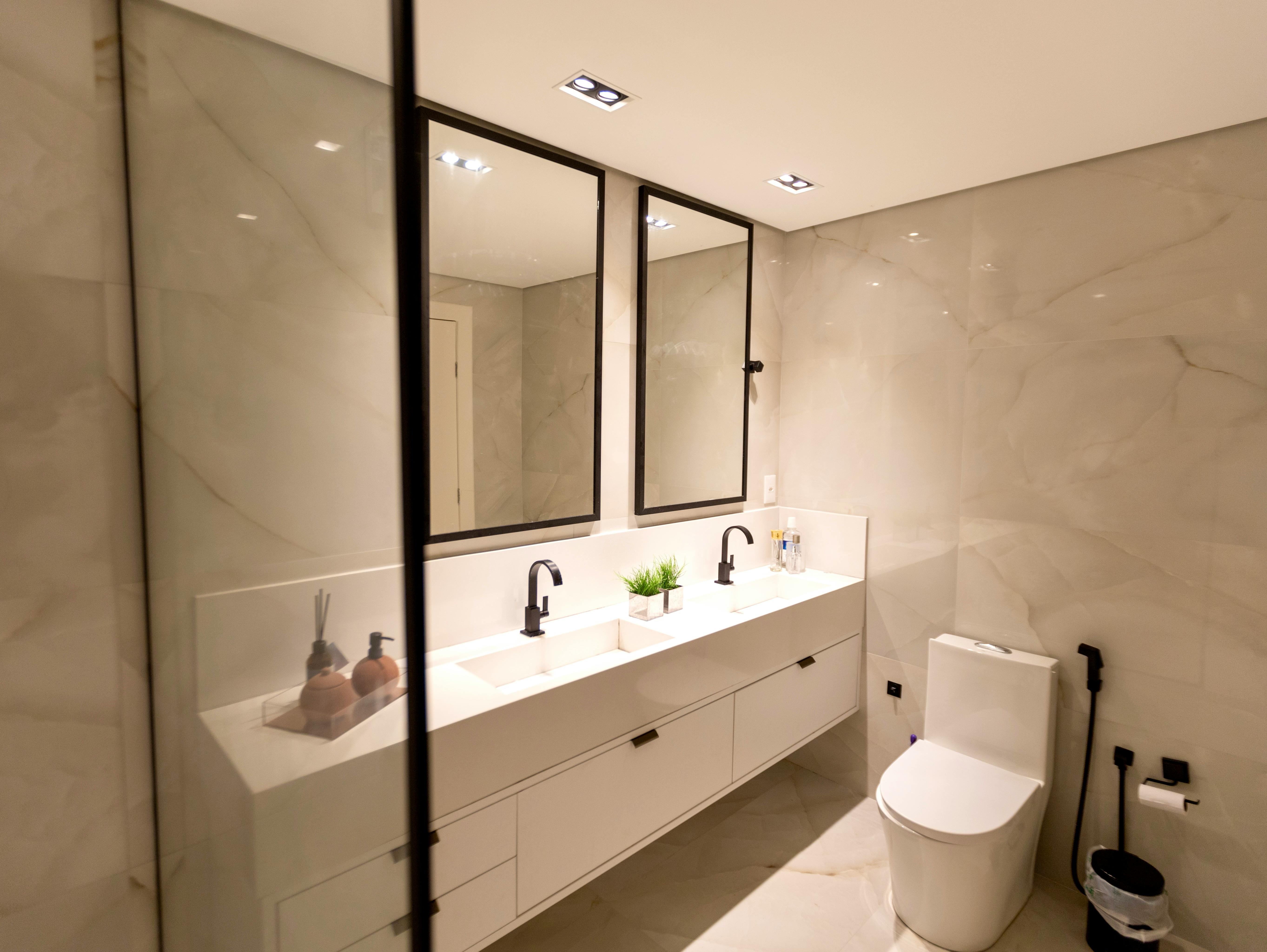
Remodeling a bathroom is one of the most exciting home projects you can take on. It’s your chance to finally get that spa-like shower, a vanity with plenty of storage, and tiles that actually fit the decade. While picking out fixtures and paint colors is definitely the fun part, what’s going on behind the drywall is what really makes or breaks your new space. Thinking about the hidden stuff, especially the plumbing, can save you from huge headaches later on.
Planning Your Bathroom Redo
Before you even think about swinging a hammer, a detailed plan is your best friend. This means more than just creating a mood board of your favorite designs. Start by thinking about the layout. Are you keeping the toilet, sink, and shower where they are, or do you want to move everything around? Moving fixtures will affect your plumbing and your budget, so it’s a big decision to make early.
Once you have a layout, you can get into the details. List everything you want to change, from the floor to the ceiling fan. Creating a complete guide to remodeling for your project helps keep things organized. Think about your family’s needs, too. Do you need a bathtub for the kids? Would a double vanity make mornings smoother? Answering these questions now ensures the finished bathroom works as well as it looks.
The Importance of Plumbing
It’s easy to forget about what you can’t see, but your plumbing system is the heart of your bathroom. A remodel is the perfect time to check out your pipes. If you ignore them, you could end up with a beautiful new bathroom that’s hiding a ticking time bomb of leaks, low water pressure, or slow drains. When the walls are open, you have a rare chance to inspect and upgrade everything.
Addressing water quality concerns during a remodel can proactively protect your new plumbing from mineral buildup and corrosion, preserving its longevity and efficiency. For comprehensive solutions, consider exploring PureSource Home Water Softening and Filtration Systems. Installing a whole-house system now can be more cost-effective and less disruptive than retrofitting later, ensuring every tap delivers cleaner, softer water from day one.
Before you get too attached to a specific tile, it’s smart to have a professional look at your existing plumbing. As many experts note when you are redoing your bathroom, this step is really important. Older homes, especially, might have galvanized steel or cast-iron pipes that tend to corrode and get blocked. Fixing these issues during the remodel is much easier and cheaper than dealing with a leak that ruins your new vanity and flooring a year later.
Upgrading Old Pipes Smartly
If your home is a few decades old, there’s a good chance your plumbing system could benefit from an inspection before your remodel begins. Older pipes can corrode over time, reducing water pressure, affecting water quality, and increasing the risk of leaks. While the walls are open, it’s much easier for a plumber to replace aging supply lines with modern materials like copper or PEX.
It’s also worth checking the main drain lines connected to your bathroom, especially if you’ve experienced recurring clogs or slow drains elsewhere in your home. If those underground pipes are damaged, modern solutions such as trenchless pipe repair can repair or replace damaged underground sewer lines with minimal disruption to your property.
Minimizing Mess and Stress
Let’s be honest: living through a remodel can be crazy, especially with a family. The dust, noise, and not having a working bathroom can test anyone’s patience. To make it less stressful, preparation is key. Seal off the work area from the rest of the house with plastic sheeting to keep the dust contained. If you’re losing your only full bathroom, figure out a backup plan. Maybe it’s using the guest bath, or even showering at the gym for a short time.
Clear communication with your contractor is also super important. Set a schedule and check in regularly on how things are going. Know who will be in your home and when. Setting expectations from the start prevents misunderstandings and helps the project run smoother. Remember to clear a path for workers to bring materials in and out, which protects your floors and furniture from accidental dings.
Long-Term Durability
When you’re making final decisions, think about how long things will last, not just what’s trendy right now. For plumbing fixtures, choose reputable brands known for quality. A slightly more expensive faucet that won’t drip in two years is a worthwhile investment. The same goes for what’s behind the walls. Proper waterproofing in the shower area is a must to prevent leaks and mold growth that can cause serious structural damage.
Good ventilation is another unsung hero of a durable bathroom. A high-quality exhaust fan, vented to the outside, is your best defense against moisture buildup. It protects your paint, prevents mildew on your grout, and helps with better air quality. Making these smart, durable choices ensures your beautiful new bathroom will stay that way for years to come.
Ultimately, tackling the hidden parts of a bathroom remodel gives you confidence in the finished product. You’ll be able to relax in your new space, knowing it’s not just pretty on the surface, but also solid and reliable underneath.