Scheduling a first orthodontic visit can feel like a big step, whether the patient is a child, teen, or adult. Families in Boardman often balance school schedules, work commitments, and travel across the Youngstown area, so knowing what to expect can make the process easier. An initial appointment typically focuses on answering questions, evaluating alignment and bite concerns, and discussing possible treatment options rather than rushing into a decision.
For families exploring local care, a visit to an orthodontist in Boardman, Ohio at Sencak Orthodontics can be a helpful starting point. Sencak Orthodontics offers information about options such as metal braces, ceramic braces, clear aligners, and palatal expanders for patients in Boardman, Youngstown, and nearby communities, including Campbell, Canfield, Columbiana, Poland, Struthers, and Woodworth. This local focus helps families understand which treatment options may be worth discussing during an orthodontic consultation.
Why a First Orthodontic Visit Matters
An orthodontic evaluation gives patients a chance to understand concerns such as crowding, spacing, teeth that do not meet evenly, or changes that occurred after prior treatment. It also helps the orthodontist determine whether treatment should begin soon, be monitored over time, or wait until more permanent teeth have erupted.
For children, an early check does not necessarily mean early braces. The American Association of Orthodontists advises that children have an initial orthodontic checkup by age seven, when an orthodontist can evaluate developing teeth and jaws. A first orthodontic appointmentmay include records, an exam, treatment discussion, and financial planning, depending on the patient’s needs.
Adults can also schedule a consultation at any stage of life. Teeth may shift after retainers are no longer worn, or a patient may decide it is time to address crowding, gaps, or bite concerns. The right timing depends on the individual’s teeth, gums, bite, and overall dental health.
Who Should Consider an Evaluation?
A consultation may be worth considering when a patient has:
- Overlapping, twisted, crowded, or difficult-to-clean teeth.
- Noticeable spaces between teeth.
- Difficulty biting, chewing, or closing the mouth comfortably.
- Uneven contact between upper and lower teeth.
- Teeth that moved after previous braces or aligner treatment.
- Questions about thumb-sucking, mouth breathing, or delayed tooth eruption in a child.
- A desire for a more balanced smile and a clearer understanding of available options.
What Happens During the Appointment?
- Patient forms: The office reviews medical and dental history, medications, allergies, insurance information, and contact details.
- Smile and bite exam: The orthodontist examines tooth position, how the teeth fit together, jaw movement, and facial balance.
- Records and images: Photos, X-rays, impressions, or digital scans may be recommended when they are needed for diagnosis and planning.
- Conversation: The orthodontist explains what they see, answers questions, and discusses whether treatment should start now, later, or be monitored.
- Planning: Patients may review possible appliances, expected appointment needs, treatment timing, and financial arrangements.
What to Bring to the First Visit
- Dental and medical history information.
- A current list of medications and allergies.
- Recent dental X-rays or records, if the office requests them or they are available.
- Dental insurance details and the name of the patient’s general dentist.
- A written list of concerns, priorities, and questions.
- A parent, guardian, or support person when appropriate.
Questions Worth Asking
Patients should feel comfortable asking for plain-language explanations. Helpful questions include:
- What orthodontic concern do you see?
- Should treatment begin now, or is monitoring the better approach?
- Which options may work for this situation, and why?
- How long might treatment take, and how often are visits needed?
- Will dental work be needed before treatment begins?
- What foods, habits, or activities may need to change?
- What should we do if a bracket breaks or an aligner is lost?
- What is included in the treatment fee, including retainers and replacement appliances?
Helping Children Feel Ready
Describe the visit as a meeting and checkup, not as a procedure. Let a child know they can ask questions and say if something feels uncomfortable. Bringing a comfort item, planning extra travel time, and avoiding promises about whether braces will start that day can keep expectations realistic and the visit calmer.
Braces, Clear Aligners, and Other Options
Orthodontic treatment is not one-size-fits-all. The best appliance depends on the bite concern, tooth position, growth pattern, treatment goals, and the patient’s ability to follow instructions consistently.
- Metal braces: A longstanding option used for many tooth-alignment and bite concerns.
- Ceramic braces: Braces with tooth-colored brackets that may be less noticeable for some patients.
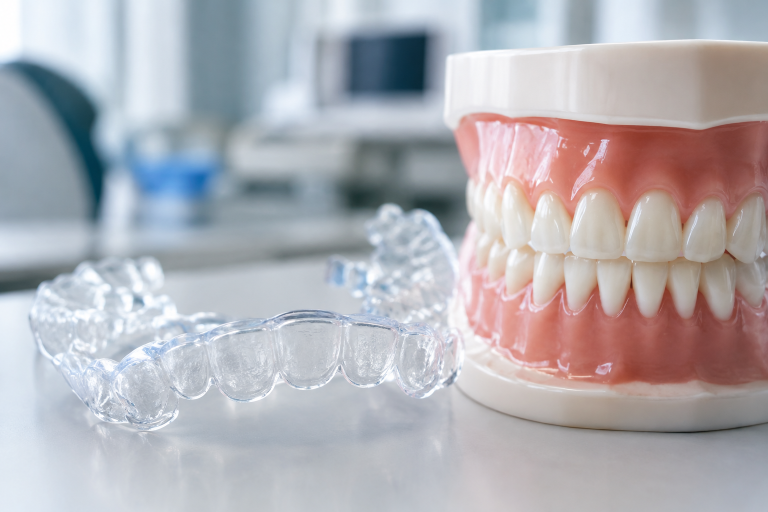
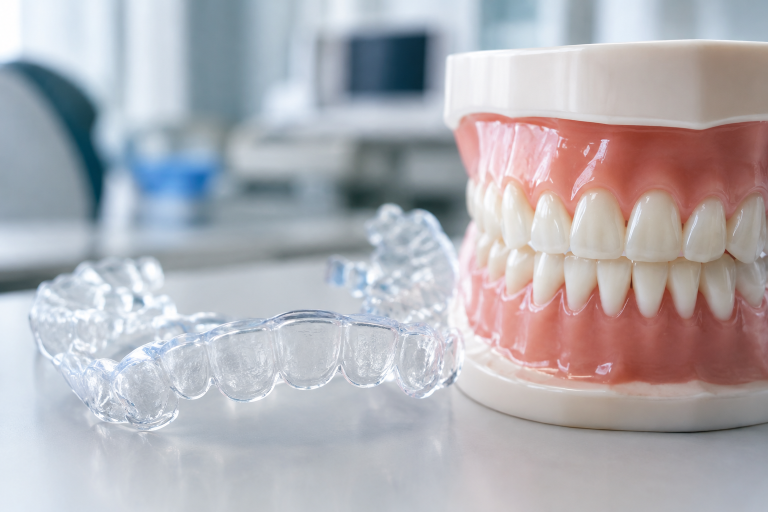
- Clear aligners: Removable trays that require consistent wear, cleaning, and safe storage.
- Palatal expanders: Appliances that may be recommended for certain width or growth-related concerns in developing patients.
Oral Care and Financial Planning
Before treatment, continue regular dental exams and cleanings, and address cavities or gum concerns as directed by a dental professional. Daily care matters during orthodontic treatment, too. The American Dental Association recommends brushing twice a day with fluoride toothpaste and cleaning between teeth daily as part of home oral care.
Avoid do-it-yourself tooth movement and unsupervised orthodontic approaches. Ask the orthodontic team which brushes, flossing aids, or other cleaning tools fit the selected appliance. Before agreeing to treatment, request a written estimate, ask what insurance may cover, and confirm whether records, retainers, emergency visits, and replacement appliances are included.
What Happens After the Consultation?
After reviewing the findings, the patient may begin treatment, return for periodic monitoring, or complete other dental care first. If treatment moves forward, the office provides appliance instructions and schedules future visits. Retainers and long-term retention should also be part of the conversation, because keeping teeth in their new positions requires follow-through after active treatment ends.
Common First-Visit Questions
Will braces be placed at the first appointment?
Often, the first visit is primarily an evaluation. Some offices may offer same-day treatment in selected cases, so ask about the scheduling process when booking.
Does a child need a dentist referral?
Many orthodontic offices accept direct appointments. A general dentist can still be an important partner in routine dental care and may provide useful records.
Are first orthodontic visits painful?
The initial appointment generally involves conversation, an exam, and possibly diagnostic records. The team should explain any recommended procedure before it begins.
Conclusion
A first orthodontic visit in Boardman should provide useful information, not pressure. By bringing records, preparing questions, and considering both clinical needs and daily routines, patients can make informed choices about monitoring, braces, clear aligners, and long-term oral care.