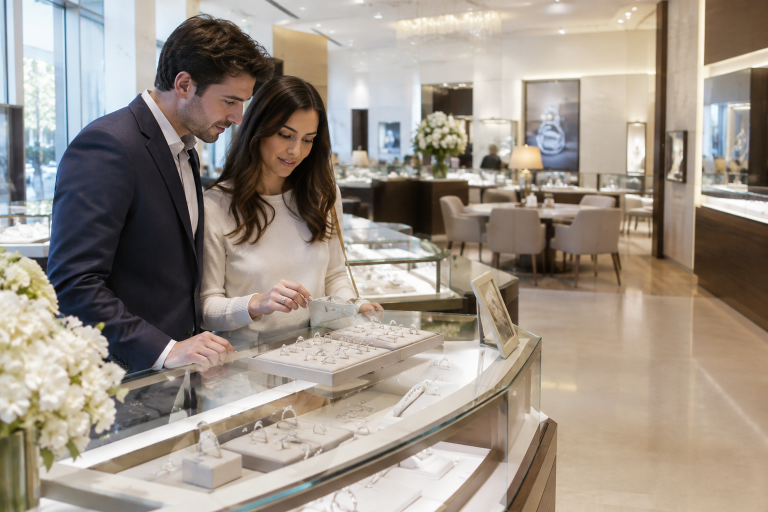
An engagement ring is both a personal symbol and a piece of jewelry that may be worn every day. Whether you are browsing ready-made styles or considering custom-designed engagement rings, start by thinking beyond a single photo or trend. The right choice should suit the wearer’s taste, schedule, comfort preferences, and financial priorities.
There is no universal formula for the perfect ring. Some people prefer a timeless solitaire with a round stone, while others want an elongated oval, a sapphire, or a low-profile bezel setting. Focusing on the details that will matter years from now makes the buying process calmer and more useful. It can also help to separate “must-have” features from details that are simply nice to have, especially when comparing several designs at different price points.
1. Start With Real-Life Wear
Consider what the wearer does with their hands on an ordinary day. Work involving gloves, tools, frequent handwashing, exercise equipment, childcare, cooking, gardening, or travel can make a tall setting less practical. A low-profile ring may sit closer to the finger and be less likely to catch on fabric or equipment.
Protective styles can be especially appealing for active routines. A bezel surrounds much or all of a stone’s edge with metal, while prong settings leave more of the stone visible. Neither is automatically better, but the choice should reflect how much sparkle, visibility, protection, and maintenance the wearer wants.
It is also worth considering when the ring may be removed. Some people take rings off for workouts, swimming, household cleaning, or hands-on work, while others prefer a design that feels comfortable enough to leave on through most daily activities. A practical choice should fit the wearer’s actual routine rather than an idealized one.
2. Set A Comfortable Budget
A responsible ring budget is one that works with your real financial picture. Savings goals, debt, housing costs, wedding expenses, travel, and emergency funds deserve consideration. A ring should feel exciting, not create long-term financial strain.
Budget Questions To Ask
- Does the total include the center stone, setting, sales tax, resizing, insurance, and shipping?
- Would a slightly different shape, metal, or stone size create a similar look within the budget?
- Are financing terms, interest charges, and payment deadlines fully understood?
- Will there be room in the budget for future cleaning, inspections, or repairs?
As you compare prices, make sure product descriptions clearly state what is being sold. The details provided for gemstones, treatments, and grading reports can help shoppers compare stones on more than appearance alone.
When reviewing options, compare like with like. Two rings that appear similar in photographs may differ in center-stone size, metal weight, accent-stone details, craftsmanship, or included services. Keeping written notes while shopping can make it easier to evaluate the complete value of each option instead of relying only on a first impression.
3. Choose A Stone Shape
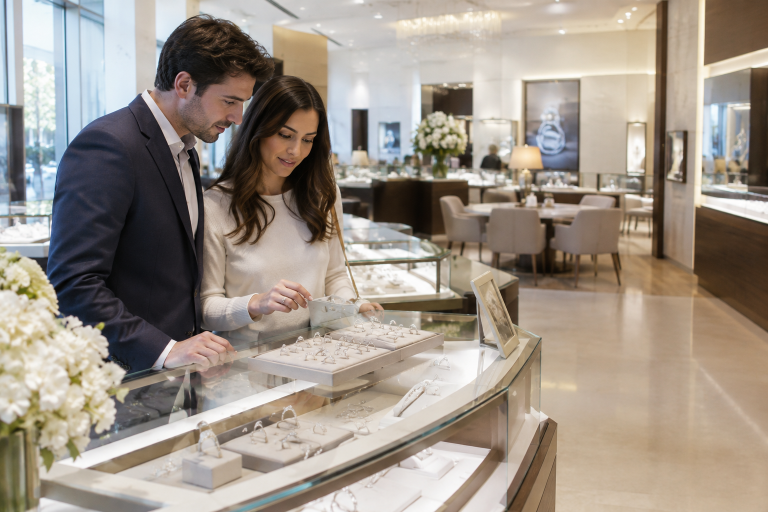
Shape has a major influence on a ring’s personality and visible footprint. It also affects how a stone interacts with light. In diamonds, cut includes the stone’s proportions, polish, and symmetry, not simply its outline.
- Round: A classic choice with a bright, symmetrical appearance.
- Oval: An elongated shape that can create a graceful look on the finger.
- Cushion: Soft corners and a romantic, often vintage-inspired feel.
- Emerald: Long, clean step-cut facets that create a refined, graphic appearance.
- Pear: A distinctive teardrop silhouette that can be worn point-up or point-down.
- Marquise: A long, pointed shape with dramatic finger coverage.
- Princess: A square profile with crisp lines and a contemporary feel.
Compare multiple shapes in person when possible, or use detailed videos that show each stone from several angles. The way a stone is proportioned and polished can affect its visual brightness, which is why diamond cut and facet arrangement deserve attention alongside carat weight.
Shape can also influence the overall balance of the finished ring. Elongated stones may emphasize length along the finger, while square or round outlines can create a more compact appearance. Viewing a few sizes of the same shape is useful because proportions can look quite different once the stone is placed in a setting.
4. Compare Ring Settings
The setting determines how the center stone is held and how much of the design is visible. It also affects cleaning, snagging, wedding-band fit, and long-term upkeep.
- Solitaire: A simple design that keeps focus on one center stone.
- Halo: Small surrounding stones add detail and visual presence.
- Three-stone: A balanced style that can carry personal symbolism.
- Bezel: A metal rim offers a sleek look and added edge protection.
- Prong: Metal claws hold the stone while leaving much of it visible.
- Cluster: Several smaller stones create a larger overall design.
Look at the setting from the side as well as from above. Details such as the height of the center stone, the shape of the gallery beneath it, and the placement of accent stones can change both comfort and appearance. These details may also determine whether a straight wedding band sits flush against the engagement ring.
5. Select The Right Metal
Metal changes the ring’s color, weight, maintenance needs, and overall mood. Yellow gold has a warm traditional appearance, while white gold offers a bright neutral tone and may need periodic replating to maintain its finish. Rose gold provides a pink-toned alternative. Platinum is naturally white, dense, and often chosen for its substantial feel.
Try metals beside jewelry the wearer already owns. A mixed-metal look can be intentional, but seeing colors together helps avoid guesswork. Band width also matters: a very thin band can look delicate, while a wider band makes a stronger visual statement and may feel different between the fingers.
Finish is another small but noticeable choice. A high-polish band reflects light brightly, while a matte or brushed finish has a softer look. Since surface finishes can change with normal wear, ask how the ring can be refinished or refreshed if that detail is important to the overall design.
6. Compare Stone Options
Natural diamonds and lab-grown diamonds are different in origin, while both are diamonds. Lab-created stones should be accurately identified as such. Moissanite has its own optical character and is not a diamond, while sapphires and other gemstones introduce color and personal meaning. The most suitable choice depends on appearance, durability needs, budget, and emotional preference.
Ask whether a stone has received treatments or enhancements, and request that important details be included in the sales paperwork. This is particularly useful for colored gemstones, where treatment can affect care requirements.
Consider how the stone will look in different lighting conditions rather than only under bright display lights. Daylight, indoor lighting, and evening settings can each reveal different aspects of color, sparkle, and transparency. For a colored gemstone, viewing the stone against the intended metal can also help confirm that the combination feels right.
7. Consider Custom Design
Custom design can be useful when you want a specific proportion, a family stone incorporated into a new setting, or a combination that is difficult to find ready-made. Begin with reference images, then decide on the center stone shape, setting style, metal, band width, and accent details. Review a sketch, computer rendering, or model before approving production.
Custom work can take longer than selecting an in-stock ring and may have more limited return options. Confirm the production timeline, revision policy, warranty, and resizing options before committing.
Reference images are most helpful when they show the specific features you like, such as a slim band, cathedral-style shoulders, hidden halo, or low setting. Be clear about the elements you do not want as well. This gives the designer better direction while leaving room for practical adjustments that improve durability or comfort.
8. Check Fit And Comfort
Do more than look at the ring in a mirror. Open and close your hand, hold a bag, type briefly, and place your fingers together. The ring should feel secure without pinching or spinning constantly. Try it with a wedding band if one is planned, and ask about resizing limits because some designs are more difficult to alter than others.
Finger size can vary with temperature, time of day, activity, and other normal changes. If possible, have sizing checked more than once rather than relying on a single quick measurement. A comfortable fit should allow the ring to pass over the knuckle with gentle resistance without feeling overly tight once it is in place.
9. Questions To Ask Before Buying
- What grading report or documentation comes with the center stone?
- What is the return or exchange period?
- Are cleanings, inspections, repairs, or resizing included?
- How should the metal and stone be maintained?
- What happens if a prong loosens or an accent stone is lost?
- When will the ring be completed and delivered?
Ask for answers in writing when the details affect cost, timing, or coverage. A clear receipt and written policy can be especially helpful if the ring is being purchased well before a proposal date, needs to be shipped, or will require a later resize.
10. Final Buying Checklist
- Confirm a budget that supports wider financial goals.
- Match the setting height and protection to everyday habits.
- Compare several stone shapes before deciding.
- Choose a metal color and band width that feel personal.
- Verify stone origin, treatments, and documentation.
- Read the warranty, maintenance terms, and return policy.
- Allow time for customization, resizing, and delivery.
Conclusion
The right engagement ring is not defined by a trend, a brand name, or a single number on a price tag. It is a considered choice that feels beautiful, comfortable, meaningful, and financially sensible. When daily life guides the decision as much as appearance does, the finished ring is more likely to remain a favorite for years to come.