Image Credit: Unsplash
Children build resilience through ordinary moments: walking to school, climbing at the playground, and figuring out what to do when a bike ride gets challenging. In an active town, these experiences can become part of family life without requiring elaborate plans. Regular movement, access to nature, and age-appropriate independence give kids frequent chances to manage emotions, solve problems, and recover from small setbacks. Those lessons grow gradually, supported by routines that feel more like play than personal development.
Nature Immersion and Emotional Regulation
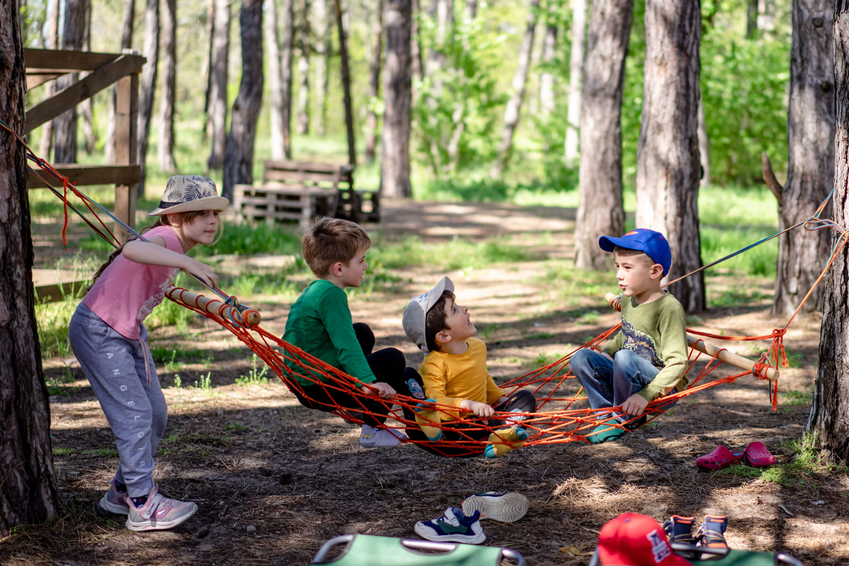
Time outside gives children room to move, notice their surroundings, and reset after a busy day. A walk beside a creek or 20 minutes at a tree-filled park can provide a welcome change after hours of classroom focus. Outdoor play also encourages physical movement, which supports mood and healthy sleep.
Parents can also use outdoor activities to reinforce strategies that help kids self-regulate emotions, giving children practical ways to manage frustration, recognize their feelings, and regain calm.
The connection between active kids and health includes social and emotional benefits alongside physical ones. You can help children recognize these effects by asking simple questions after outdoor time, such as how their body feels or what they noticed. Over time, a child may learn that fresh air and movement are useful tools when frustration starts to build.
Building Lifelong Fitness Habits Early
Children are more likely to stay active when movement fits naturally into the family schedule. Walking to the library, riding bikes after dinner, or visiting a playground on Saturday morning makes exercise familiar and enjoyable. These routines also remove some of the pressure associated with organized activities.
Access matters when families choose where to settle. Parents comparing active communities may review the benefits of living in Boulder as one example of how outdoor access, neighborhood features, and local activities can shape daily family routines.
Keep the focus on participation. A child who walks, scooters, or plays tag several days a week is developing a healthier relationship with movement without needing to track performance.
Communities Designed Around Open Space
Family-friendly design can turn activity into the easiest option. Connected sidewalks let parents walk with a stroller while an older child rides alongside. Nearby parks create casual meeting places where kids can practice sharing, joining games, and resolving minor disagreements.
When considering a neighborhood, look beyond the size of its main park. Check how safely your family can reach it, where sidewalks end, and whether crossings feel manageable with young children. Notice if there are shaded places to rest and open areas for different types of play.
Research on physical activity and development also highlights benefits involving motor skills, confidence, and social growth. A well-designed community gives children more opportunities to practice those skills throughout the week.
Encouraging Everyday Micro Adventures
A micro adventure is a short outing that adds novelty without taking over the day. It might involve following a new walking path, packing snacks for a backyard picnic, or counting birds during a trip around the block. These small experiences teach flexibility because weather, tired legs, and unexpected detours rarely follow a perfect plan.
Let your child help shape the outing. A preschooler can choose between two parks, while an older child can plan a one-mile walking route. Bring basic supplies, set a clear return time, and leave enough space for exploration.
When something goes wrong, pause before fixing it. Asking, “What could we try next?” gives children a chance to practice solving a manageable problem while you remain close enough to help.
Practical Ways to Foster Independence
Independence grows through small, age-appropriate responsibilities. Young children can carry a water bottle or lead the way to a familiar playground, while older children can check the weather, pack snacks, and remember the route home.
Set clear boundaries before outings. Explain safe areas, street-crossing rules, and meeting points in case anyone gets separated. Practice these guidelines before allowing more freedom.
Avoid stepping in too quickly when challenges arise. Let children zip their jackets, choose a path, or resolve minor disagreements. These everyday experiences build confidence, problem-solving skills, and resilience while gradually preparing them for greater independence.