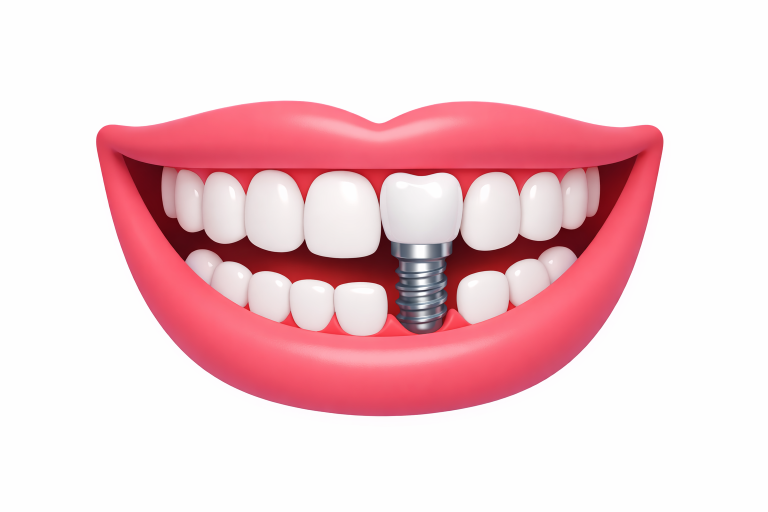
Dental implants have transformed tooth replacement, delivering a long-lasting and natural-looking solution for those missing one or more teeth. For patients considering this treatment, understanding each step can ease anxieties and help set realistic expectations, ensuring you are prepared for every part of the journey. Patients seeking more details about the procedure can find a comprehensive guide to dental implants from the best, covering common questions and important information.
The process involves several stages, each designed to promote your oral health and maximize the chances of implant success. With innovations in dental care and ongoing patient education, dental implants continue to rise in popularity among those seeking a durable replacement for missing teeth. Knowing what to expect at each step can help patients feel confident in their decision.
Beyond the physical procedure, it’s essential to understand the ongoing maintenance and commitments necessary to ensure a successful outcome. With proper care, dental implants offer a highly functional and aesthetic result that rivals natural teeth.
Consulting with a qualified dental professional is the first step toward reclaiming your smile through dental implants. By following professional guidance and maintaining recommended oral hygiene routines, you can look forward to many years of comfortable, effective tooth replacement.
Initial Consultation and Planning
Your dental implant journey begins with a comprehensive evaluation conducted by your dental professional. This stage is vital for assessing your eligibility for implants and mapping out the best treatment strategy. During the consultation, your dentist will:
- Review your medical and dental history for conditions that could affect healing or implant placement.
- Perform a detailed oral examination to evaluate gum health and remaining teeth.
- Order imaging studies, such as X-rays or CT scans, to assess bone density and structure and ensure your jaw can support the implant.
Based on these findings, a personalized treatment plan is created, taking into account the number of implants required, the need for additional procedures, and the expected timeline.
The Implantation Procedure
Implant placement is generally a multi-phase process designed to offer optimal function and durability. The typical steps include:
- Tooth Extraction: Any compromised tooth slated for replacement will be removed as needed, sometimes in a separate appointment.
- Bone Grafting (if required): If the jawbone is too thin or soft to support an implant, bone grafting may be performed. This ensures a strong foundation for the implant post. Healing from grafting may require several months before moving forward.
- Implant Placement: The dental implant, made from biocompatible titanium, is surgically inserted into the prepared jawbone. Local anesthesia keeps the area numb, and most patients report minimal discomfort during this stage.
The surgical process is usually straightforward when performed by an experienced implantologist, and patients often resume their usual activities soon after. The American Association of Oral and Maxillofacial Surgeons provides additional resources on dental implant safety and techniques.
Healing and Osseointegration
After the implant is placed, a period of healing follows, lasting several months. This time is crucial for osseointegration, during which the implant fuses with the surrounding bone, providing the stability needed for proper function. During this phase:
- New bone cells grow around the implant, securing it in place.
- Patients should maintain excellent oral hygiene and attend scheduled follow-up appointments.
- Soft foods are generally recommended while the site heals to prevent unnecessary stress on the implant.
This waiting period may seem lengthy, but it is vital to the implant’s lifespan and reliability.
Placing the Abutment and Crown
With successful osseointegration, the final stages can proceed:
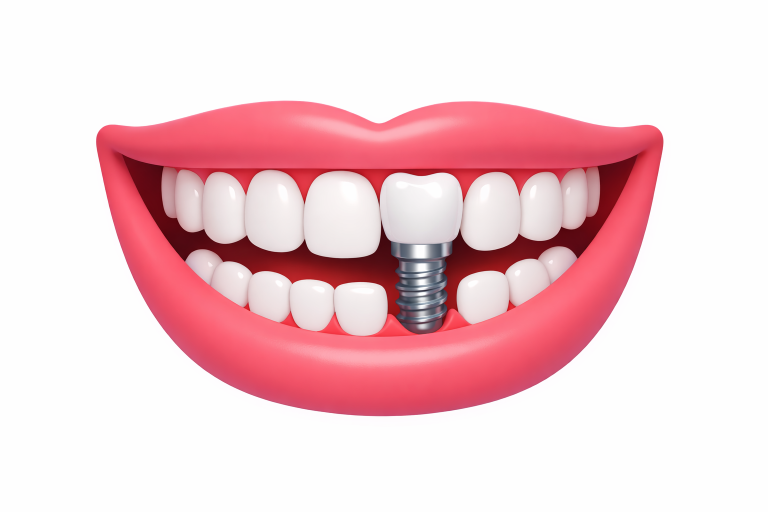
- Abutment Placement: A small connector, known as an abutment, is attached to the healed implant post. Sometimes this step is completed during the initial surgery.
- Crown Attachment: After the gums have healed around the abutment, a custom-made dental crown is attached. The crown is designed to match your natural teeth in color, shape, and function.
This final restoration completes the process, resulting in a natural-looking, highly functional replacement tooth.
Post-Procedure Care and Maintenance
Long-term success with dental implants depends on consistent care and maintenance, including:
- Brushing and flossing daily, focusing on the implant area to prevent plaque buildup.
- Attending regular check-ups and professional cleanings as directed by your dentist.
- Refraining from smoking and avoiding overly hard foods, both of which can impact implant stability and health.
When properly cared for, dental implants can last a lifetime, making them a highly cost-effective investment in your oral health.
Potential Risks and Complications
While dental implants have a high success rate, all medical procedures carry some risk. Potential complications may include:
- Infection at the implant site is usually minimized by proper post-surgical hygiene.
- Injury or damage to adjacent teeth, blood vessels, or nerve tissues.
- Nerve damage, leading to pain, numbness, or tingling in the mouth or chin.
- Sinus problems, especially if upper jaw implants extend into sinus cavities.
Discussing all possible risks with your dental professional before treatment begins ensures you are fully informed before consenting to the procedure.
Cost Considerations
The costs associated with dental implants can vary widely based on several factors:
- The number of teeth being replaced and the complexity of the procedure.
- Whether bone grafting or other preparatory steps are necessary.
- The experience of your dental provider and the practice’s geographic location.
Most dental insurance plans do not fully cover implant placement, though portions of the procedure (like extractions) may be partially reimbursed. Discuss costs and payment plans directly with your dental team to fully understand your investment in dental implant treatment. The Mayo Clinic’s guide on dental implant surgery also provides insight into the financial aspects and expectations.
Frequently Asked Questions
Q: Is the dental implant procedure painful?
A: The procedure is typically performed under local anesthesia, which numbs the surgery site. Most patients report only minor discomfort after the procedure, which can be managed with over-the-counter pain relief. Any pain or swelling usually subsides within a few days.
Q: How long does the entire dental implant process take?
A: The process can take anywhere from three to nine months, depending on the need for preliminary procedures like bone grafting, your healing rate, and the number of implants being placed.
Q: Who is a good candidate for dental implants?
A: Most healthy adults qualify for dental implants. However, those with insufficient jawbone, certain chronic illnesses, or a history of heavy smoking may need additional assessment or supplementary procedures.
For further guidance and patient experiences, Healthline’s overview of dental implant procedures is a reputable and informative resource.