Image Credit: Unsplash
Watching your child’s first attempts to communicate is one of the most exciting parts of being a parent. From those first coos and babbles to their precious first words, every sound feels like a major victory. But it can also be a source of worry if you feel your child isn’t progressing as quickly as their peers. Supporting your child’s speech is a natural process you’re already part of every day. This guide offers simple steps you can take to encourage language and clarifies when it might be time to seek a little extra help.
Milestones in Speech Development
Every child develops at their own pace, but there are general patterns you can watch for. In their first year, babies typically go from cooing and gurgling to babbling with different sounds. They start to recognize their name and respond to simple requests. Around their first birthday, many children say their first words like “mama” or “dada.”
As toddlers, their vocabulary really takes off. Between ages one and two, they might start combining two words to form simple sentences like “more juice.” By age three, they can often hold simple conversations and use three- or four-word sentences. The National Institute on Deafness and Other Communication Disorders provides a helpful list of speech and language milestones that can give you a clearer picture of what to expect at different ages.
Everyday Activities to Boost Language
You don’t need special flashcards or expensive toys to help your child’s language skills grow. The most powerful tools are already part of your daily routine. The key is to create an environment rich in language, where your child is constantly exposed to words and conversation. Making time for these simple activities can also help strengthen family connections. Setting aside regular moments to read, talk, sing, or play together can turn everyday routines into meaningful family time.
Here are some simple ways to support language development:
- Talk about your day: Narrate what you’re doing, even if it feels silly at first. “I’m washing the dishes. The water is warm and bubbly.” This shows them how sentences work and introduces new words.
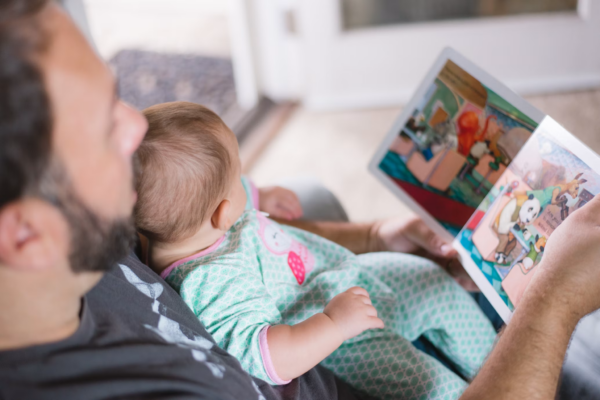
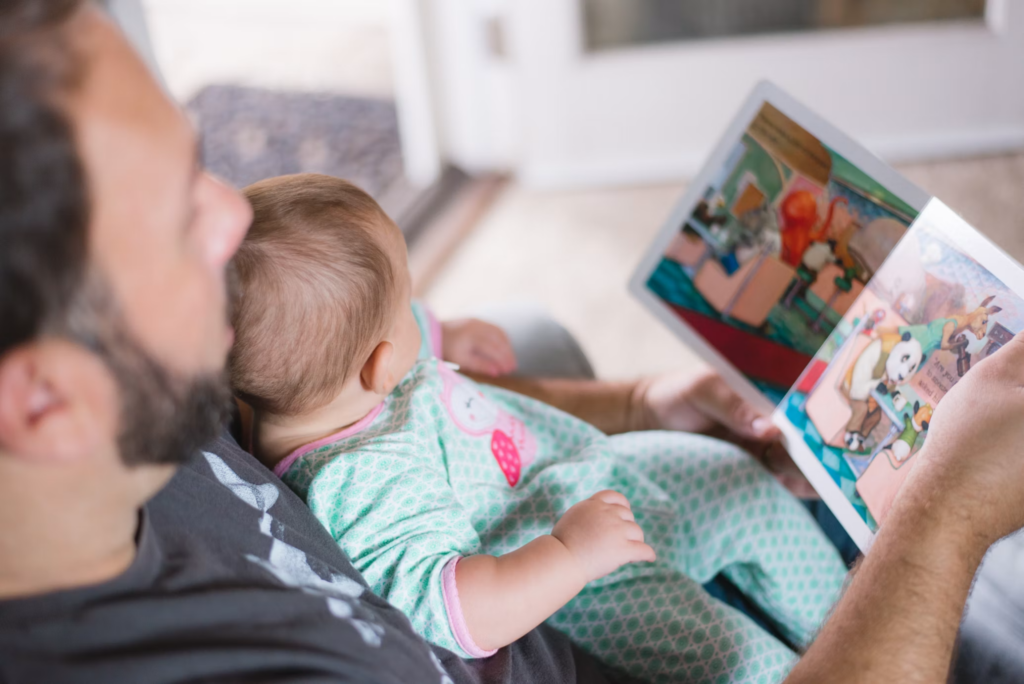
- Read together daily: Books expose children to words they might not hear in everyday conversation. Point to the pictures and name the objects.
- Sing songs and rhymes: The rhythm and repetition in songs like “The Wheels on the Bus” or “Twinkle, Twinkle, Little Star” are excellent for learning language.
- Listen and respond: When your child babbles or tries to talk, give them your full attention. Respond to their attempts, even if you don’t understand the words. This teaches them the back-and-forth nature of conversation.
When to Consider a Professional Check
If you’re concerned about your child’s speech, talk with your pediatrician, especially if they aren’t meeting milestones such as babbling by 12 months or using single words by 16 months. A professional evaluation can also check hearing, as hearing difficulties can affect speech development. Modern pediatric hearing innovations can help identify and address hearing issues early.
Understanding Speech Delays
Speech and language delays can overlap, but they involve different challenges. A speech delay affects how a child produces sounds, while a language delay affects understanding or using words to communicate.
If your child has a delay, remember that support is available. Early intervention can help improve communication skills and support healthy development.
Resources for Parents
You are your child’s most important teacher, but you don’t have to do it alone. Your pediatrician can address developmental concerns and refer you to speech-language pathologists or audiologists when needed. Local schools, health departments, and libraries may also offer early intervention programs, story times, and activities that support language development.
Ultimately, a warm, interactive home makes a difference. Talk, read, and sing with your child every day; your encouragement helps them find their voice.