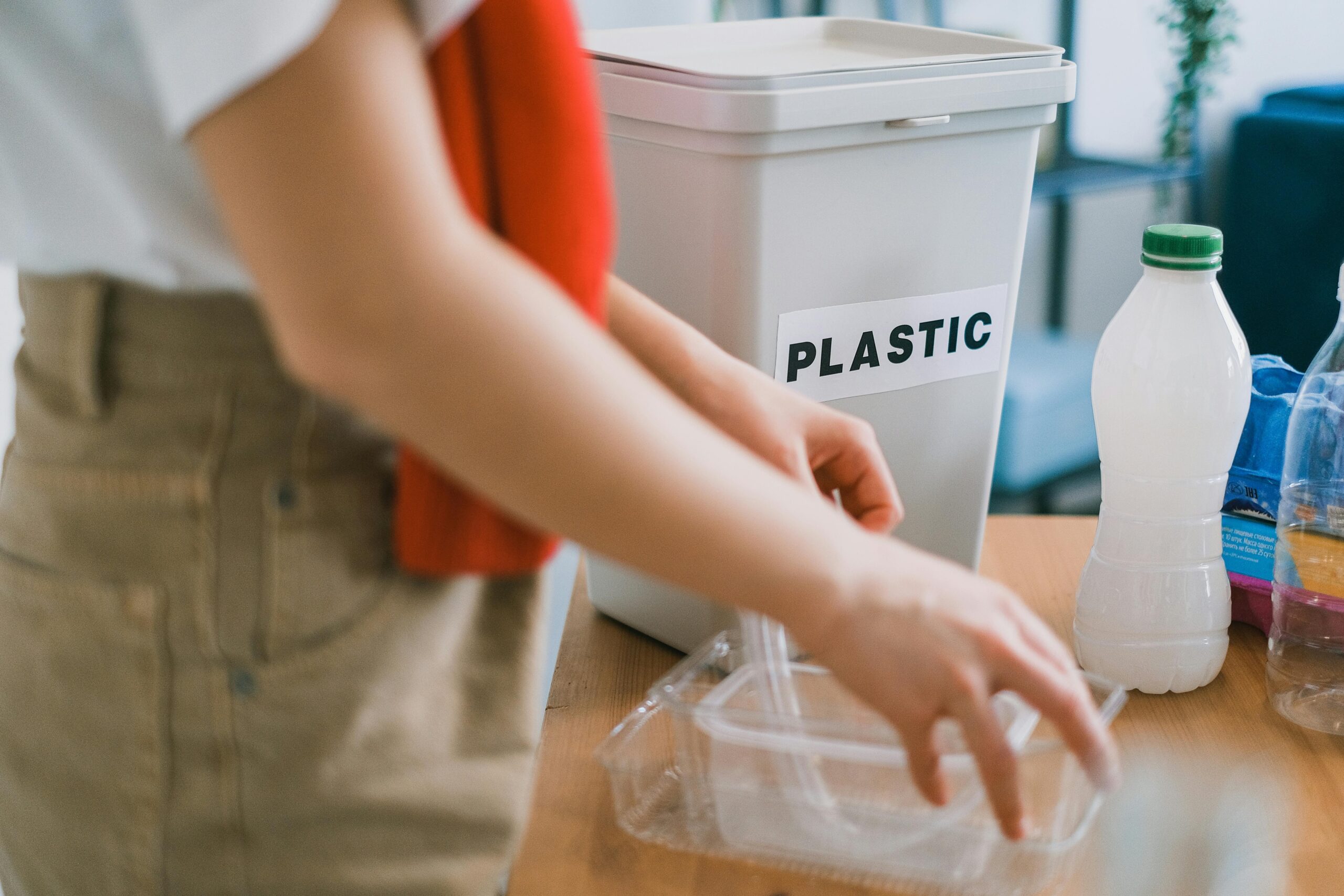
Household waste is growing at a pace that many communities are struggling to manage. Between packaging, broken furniture, outdated electronics, and everyday clutter, the average home produces far more trash today than it did even a generation ago. What makes this challenge more complicated is that much of what ends up in the garbage bin is not truly “trash” at all. Many household items can be reused, recycled, or donated if handled properly.
The way households remove unwanted items plays a major role in how much waste ultimately reaches landfills. Smart junk removal choices can significantly reduce environmental impact, support local reuse systems, and encourage more responsible consumption habits. While individual decisions may feel small, the cumulative effect across neighborhoods is powerful.
Reducing household waste does not require perfection. It requires awareness, planning, and choosing disposal methods that keep usable materials out of the landfill whenever possible.
The challenge of growing household waste
Modern lifestyles encourage frequent replacement.
Furniture is often cheaper to replace than repair. Electronics become outdated quickly. Online shopping increases packaging waste. Seasonal items pile up. Renovation projects generate debris that standard trash pickup cannot handle.
As waste increases, landfills fill faster, disposal costs rise, and communities face greater pollution risks. Landfills produce methane, a greenhouse gas that contributes to climate change. Improperly discarded materials can also contaminate soil and water sources.
Many households want to reduce their environmental footprint, but waste management can feel confusing. Recycling rules vary by city. Donation guidelines depend on the condition and demand. Some materials require specialized handling. Without clear steps, it becomes easier to throw everything away and move on. That is why junk removal decisions matter. How you deal with unwanted items can either contribute to the growing waste problem or help reduce it.
Identifying what can be removed responsibly
One of the most effective ways to reduce household waste is to separate items based on what can realistically be reused or recycled. A large portion of household clutter falls into categories that should not go in regular trash.
Sorting items for recycling, donation, or disposal
A smart approach begins with sorting items into three main groups:
1. Recyclables
- Metal shelving or scrap
- Cardboard boxes
- Certain plastics
- Electronics that qualify for e-waste recycling
2. Donation-worthy items
- Furniture with minimal wear
- Working appliances
- Clothing and household goods
- Children’s toys and books
3. True waste
- Mold-damaged furniture
- Stained mattresses
- Unusable particleboard items
- Certain mixed-material plastics
This sorting process reduces landfill waste because it ensures that items with remaining value are treated as resources instead of garbage.
Knowing what does not belong in regular trash
Some household items are not only difficult to dispose of but also potentially harmful if handled incorrectly. Batteries, paint, chemicals, and electronics often contain toxic materials that can contaminate soil and water if they end up in landfills.
Bulky items such as refrigerators and air conditioners may also contain refrigerants that require special handling. Even if local waste pickup accepts large items occasionally, it does not always mean they are processed responsibly. Knowing what should be removed separately is one of the most important steps in reducing household waste.
Choosing eco-friendly junk removal services
For larger cleanouts or bulky items, junk removal services can be a practical solution. But not all services operate the same way.
Some focus purely on speed and convenience, while others prioritize sustainability.
What to look for in a responsible provider
An eco-friendly provider should have clear systems for:
- separating recyclables from landfill waste
- identifying items that can be donated
- properly handling hazardous materials
- partnering with recycling facilities and donation organizations
Households should look for companies that explain their disposal process and can answer basic questions about where items go after pickup.
Transparency is often a strong indicator of responsible operations.
Recycling and donation policies that matter
A service’s policies matter more than its marketing language. Claims about being “green” are common, but meaningful sustainability comes from measurable practices.
A responsible provider will typically:
- Divert a portion of materials away from landfills
- Donate usable goods when possible
- Recycle metals, cardboard, and electronics through proper channels
- minimize unnecessary dumping
These policies help ensure that removal is not just convenient, but environmentally sound.
For residents looking for a responsible option, working with a provider offering junk removal services with a focus on reuse and recycling can support more sustainable waste habits.
Reuse and donation opportunities
One of the most overlooked strategies is simply keeping usable items in circulation. Many households discard items not because they are unusable, but because they are unwanted.
Giving furniture, appliances, and household items a second life
Furniture is one of the largest contributors to landfill volume, yet many pieces can be reused.
A dresser with scratches, a couch with minor wear, or a table that no longer matches a room can still serve someone else.
Appliances also have reuse potential. Even if an appliance is not in perfect condition, parts can sometimes be salvaged. When donated or repurposed, these items avoid landfill disposal and reduce the demand for new manufacturing.
Household goods such as dishes, lamps, and storage containers are also frequently discarded during cleanouts, even though they remain functional.
Supporting local charities and reuse centers
Donation centers and reuse programs help redistribute items within the community.
This supports families who need affordable goods and reduces the environmental cost of producing new items. When households donate rather than discard, they contribute to a circular system where goods remain useful instead of becoming waste.
Professional removal services can support this process by transporting usable items to donation facilities, especially for individuals who lack time or transportation to do it themselves.
Minimizing landfill waste
Landfills are often treated as the default destination for household junk, but smarter disposal decisions can significantly reduce what ends up there.
Reducing unnecessary dumping
Unnecessary dumping often happens when households are overwhelmed by clutter and want a fast solution. Without sorting, items that could have been recycled or donated are thrown away. This increases landfill volume. Scheduling removal with a provider that prioritizes diversion can reduce this problem. So make the time to separate your donation and recycling piles.
Long-term benefits of smarter junk removal choices
Reducing landfill waste provides long-term community benefits, including:
- Fewer landfill expansions
- Reduced methane emissions
- Lower pollution risk
- Cleaner neighborhoods
- Less illegal dumping
Smart removal decisions also encourage more mindful consumption. When people become aware of how much waste they generate, they often begin buying less disposable furniture, choosing reusable materials, and avoiding unnecessary clutter.
Over time, these habits reduce household waste at the source.
Small decisions lead to less household waste
Household waste may be a growing challenge, but it is not an unsolvable one. Smart junk removal is not about making life harder. It is about making disposal choices that protect the environment while keeping usable resources in circulation. When households prioritize reuse, recycling, and responsible removal, they reduce waste not just for themselves, but for their entire community. Over time, these choices build cleaner neighborhoods and happier residents.
*Sponsored Blog Post