
So you’ve had surgery. Congratulations, you survived the gowns, the bright lights and the oddly tiny cups of water. Now comes the part that nobody glamorises: recovery. Healing doesn’t have to be miserable, and that’s the good news. All you need is a good sense of humour and some smart habits, and you can help your body to bounce back faster and with less drama than you expect.
One of the first things that you need to do? Listen to your general surgeon. Yes, even if you feel totally fine on day three, those instructions weren’t suggestions, they are your personal road map to hearing. Skipping steps now will lead to sex backs later. And nobody wants a sequel surgery.
Your body just went through something very intense. Resting like it’s your job is your only job. Sleep isn’t laziness, it’s active healing. Aim for quality rest, not just scrolling your phone while laying down. Short naps are great, but try to keep a normal sleep schedule so your body knows when it’s time to repair and recharge. Resting is important and the first thing that you need to do, but you can also move as long as you don’t overdo it.
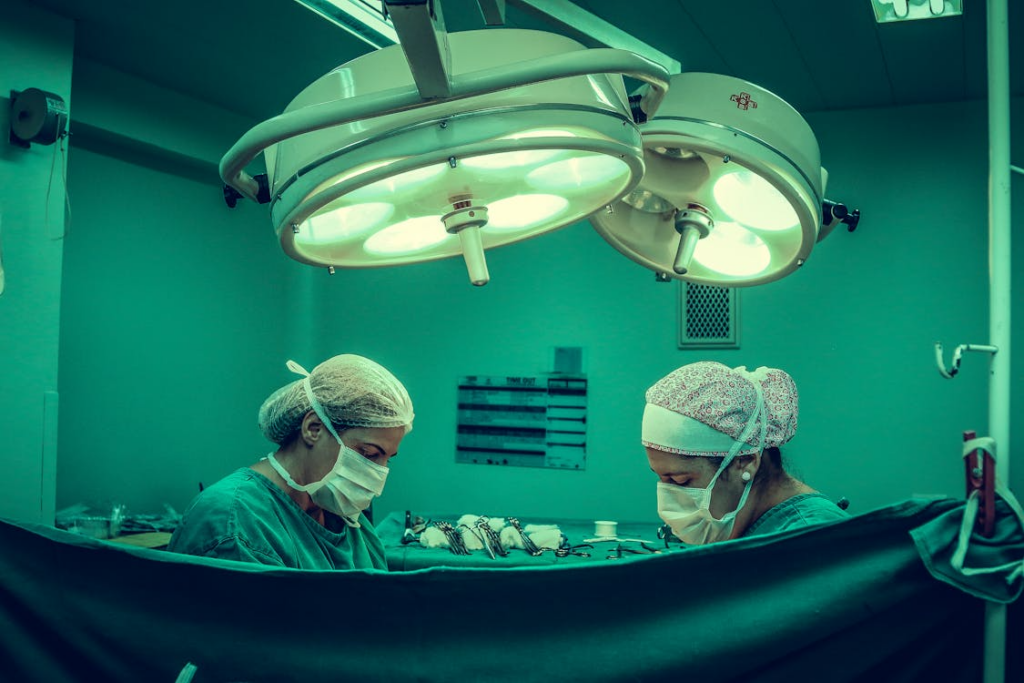
Early movement helps your circulation, reduces stiffness and lowers the risk of complications post surgery. You can start small with this one. A short walk to the kitchen counts. A slow lap around the house gives you the Gold Star you need. Just don’t suddenly decide it’s a great time to reorganise the garage and don’t lift anything heavier than your surgeon has told you to. Healing loves gentle consistency, not heroic bursts of effort. Another thing you need to remember about healing is that you need to feed your body properly so that you can get through it quicker. Your body needs fuel to be able to rebuild.
During all those naps you’re taking, you’re going to be rebuilding your body, so focus on your protein, fruits, vegetables, and whole grains. Think of food as construction materials, not comfort prices. Hydration matters too. Water helps everything work better, including digestion and energy levels. If you’re backed up from pain meds, fibre is your new best friend.
Pain is information to your body and post surgery you should expect a level of pain as long as it’s not too much. It’s information and it’s not a challenge. So take medications exactly as prescribed and don’t wait until you’re miserable to use them. Keeping ahead of the pain will help you to sleep better, heal faster, and move more. If something is feeling off or suddenly worse, though, speak up, because toughing it out isn’t going to win you any awards.
One of the things that you’re going to hear from your surgeon is to take care of your surgical site. You need to keep it clean and dry and follow the care instructions carefully. A quick daily check is enough, but if you’ve got nurses coming out to you, make sure that you know to speak up if you’re starting to feel any unusual drainage, redness or swelling. If you’re dealing with any feverish signs, that’s a sign to call your surgeon for advice sooner than later.