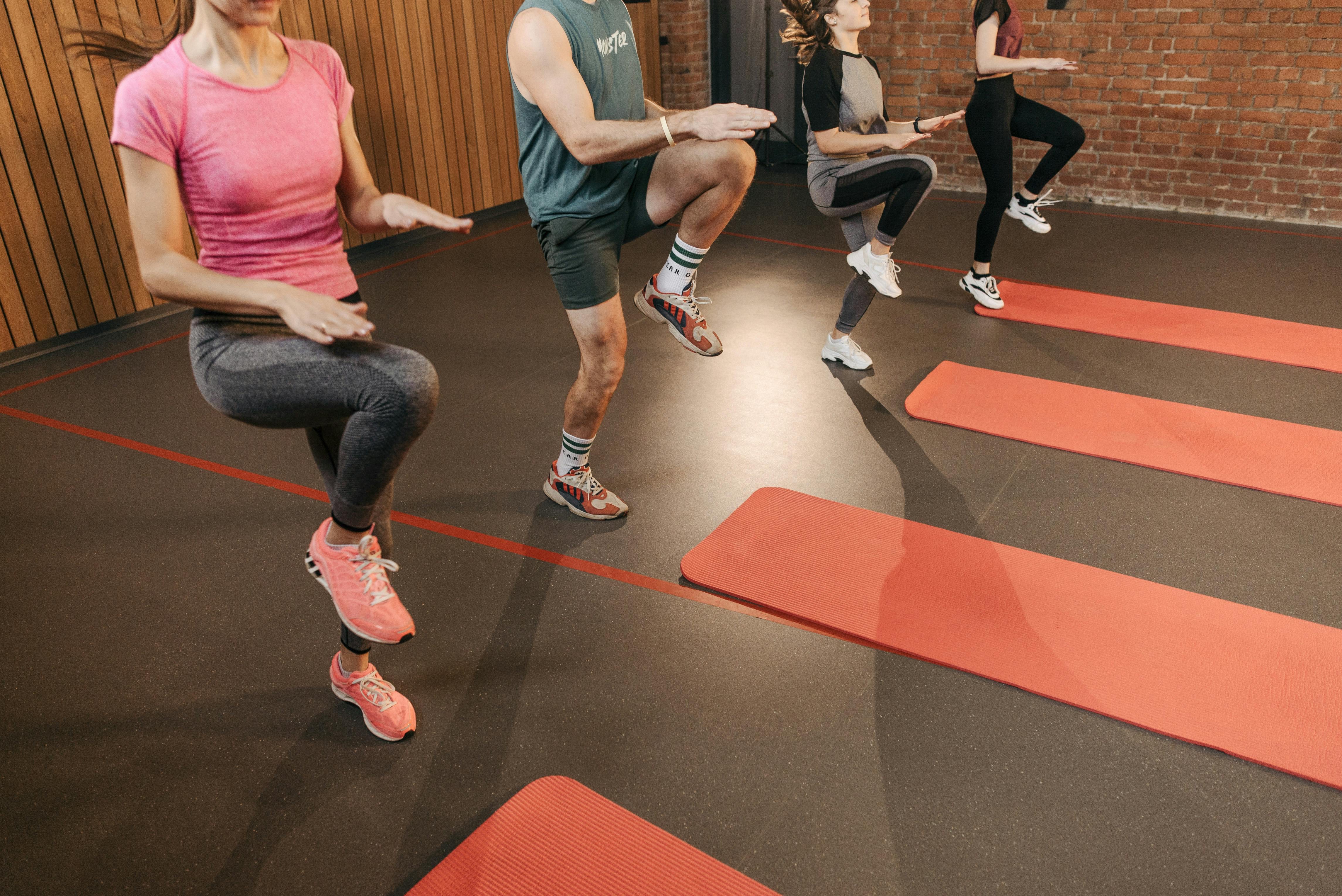
Staying motivated and consistent is more than just having the willpower to work out. A lot of people start strong and later end up throwing their workout routine out of the window after some time.
It’s important to remember that the environment will shape behavior. You’ll need to be self-motivated, disciplined and make good decisions when it comes to having a healthy fitness routine.
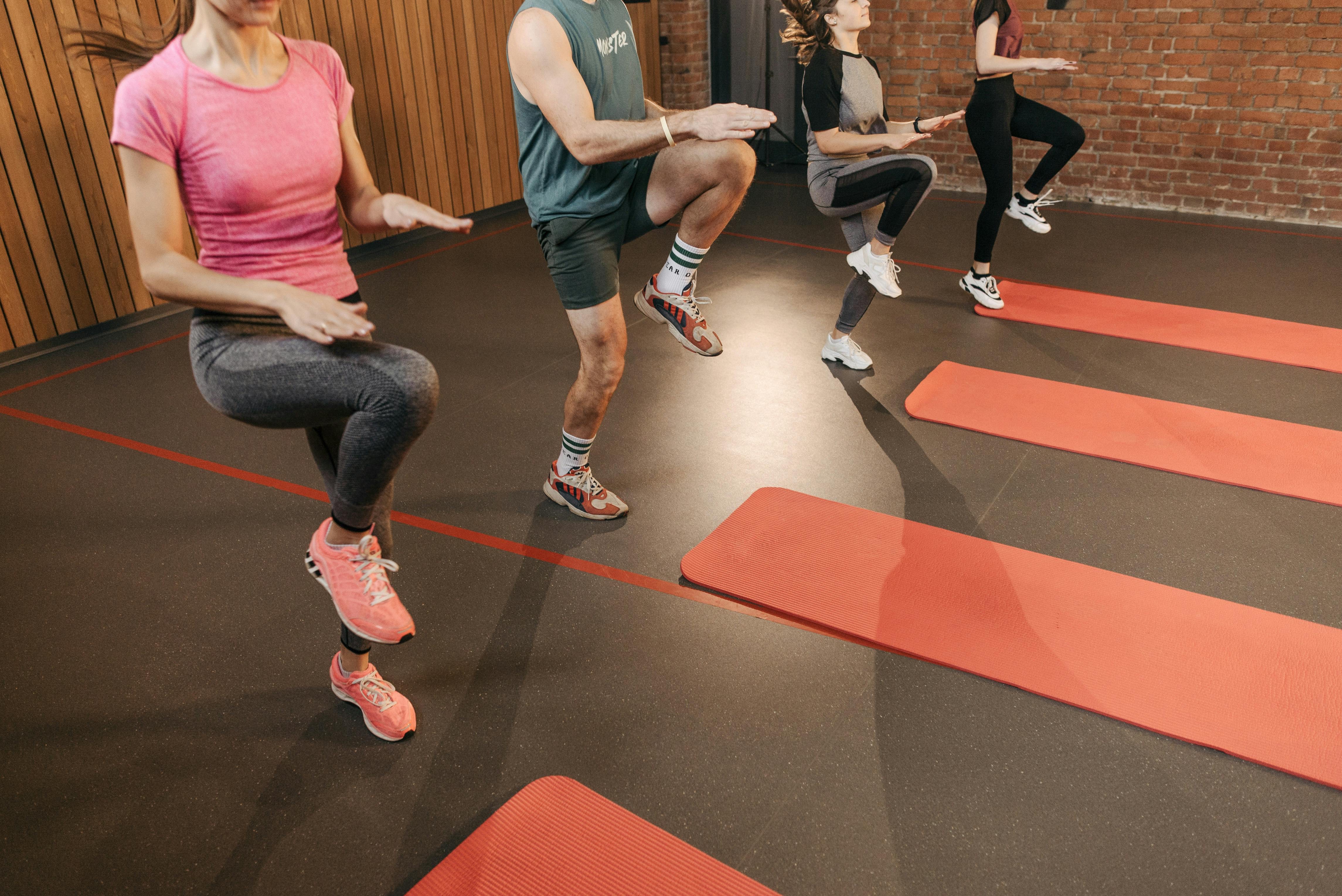
Community-driven workouts will combat loneliness and help everyone in the group feel more motivated and ready to tackle this experience.
Why Group Fitness Classes Are So Effective
The most powerful part of group fitness classes is not the equipment or the playlist. It is the shared momentum created when people move together toward a common goal. That collective energy changes how effort feels and how long people are willing to push themselves.
Instead of depending on your own motivation, individuals can now benefit from encouragement from a group. By seeing others show up, improve over time, and continuously try, you’re going to stay consistent. This is going to help you form part of a larger group instead of doing this by yourself.
Having a set structure in place, you’ll be able to break down the barrier that causes individuals to give up and leave the gym. The fitness routine is properly planned, the instructor guides you, and you’ll gain motivation from the other people working out.
Built-In Accountability
Staying accountable is one of the biggest issues that many people face. A group training session will automatically create a sense of accountability with social structure and the presence of a group of individuals.
- Scheduled sessions reduce decision fatigue.
- Familiar faces notice when you’re absent.
- Commitment feels shared, not isolated.
- Consistency becomes part of the routine.
- Skipping feels less tempting when others expect you.
This accountability is more than just shaming the individuals or creating a sense of guilt. It’s more about gently reminding individuals about the fitness journey they’re on and how to stay consistent on this journey.
Shared Motivation and Momentum
Motivation fluctuates from day to day. Some days, energy is high, and other days it’s not. In a group setting, individual motivation matters less because momentum is shared.
If a specific individual decides to go harder and push their physical boundaries, the group will be impacted. This helps people to trust that they can get through the workout regardless of how they’ll feel on that specific day.
Mental and Emotional Benefits That Go Beyond Exercise
Not only does fitness ensure a strong body, but people who work out are also strengthening their emotional and mental well-being. A fitness group will help you create psychological and emotional benefits for the individual.
Working out with others helps to normalize the struggle and effort that goes into the physical exercise routine.
Increased Confidence
Confidence will start to build when they feel supported by others rather than in competition with their peers. Group sessions bring out an idea of “teamwork” and participation instead of perfection.
- Progress is visible and shared.
- Improvements feel achievable.
- Fear of judgment fades over time.
- Confidence transfers into daily life.
- Success feels earned, not accidental.
This confidence often extends beyond fitness, affecting work, relationships, and overall self-image.
More Enjoyment and Reduced Stress
Enjoyment is a major predictor of long-term fitness success. When workouts are enjoyable, people stick with them longer.
Group settings naturally reduce stress by making one feel social rather than transactional. Laughter, music, and shared effort transform exercise into something people want to do instead of something they feel obligated to do.
Physical Benefits Driven by Group Energy
While emotional and mental benefits matter, physical results are still a major reason people commit to fitness routines. Group environments tend to push participants to work harder without realizing it.
Higher Intensity and Effort
People consistently perform at higher intensity levels when exercising with others. This isn’t about competition, but about mirroring effort.
- Participants naturally match the group’s pace.
- Rest periods feel shorter.
- Energy stays elevated throughout the session.
- Output increases without conscious pressure.
- Performance improves steadily over time.
This increased intensity leads to better cardiovascular health, improved strength, and greater endurance.
Instructor Support Improves Form and Results
Instructors play a critical role in guiding safe and effective movement. They correct form, offer modifications, and keep workouts balanced.
This guidance reduces injury risk and ensures participants are working the right muscles in the right way. Over time, this leads to better results and fewer setbacks.
Community Impact on Long-Term Consistency
Consistency is where most fitness goals succeed or fail. Community-based workouts excel here because they build emotional investment alongside physical progress.
Why Community Turns Effort Into Progress
Progress and physical strength don’t come from the ideal workout session. It’s all about staying consistent and being disciplined over a prolonged period of time. Community-based classes and sessions will help individuals stay consistent and help them feel supported and motivated.
Turning Motivation Into Lasting Results
Fitness and health are more than having discipline and strong willpower. The environment, structure, and connection are what help individuals succeed. Once people are connected to other individuals on the same fitness journey, they’ll be able to gain better rewards in the long term.
This is why group fitness sessions and classes will motivate individuals to stay consistent and motivate them to continue on their journey and get lasting results.
*Sponsored Blog Post