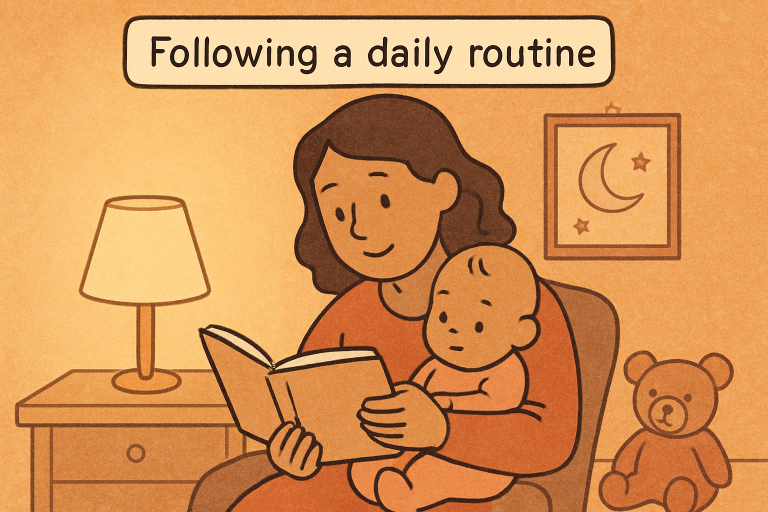
Setting up consistent daily routines is a foundational step in supporting healthy infant development. Every part of an infant’s day, from feeding and napping to playing and bedtime, plays a significant role in shaping their physical, cognitive, and emotional well-being. When parents introduce routines early, they create an environment of predictability and comfort, with profound effects on a child’s sense of safety, resilience, and learning. For families seeking professional support with early routines, options such as Infant Care in Windsor CT offer structured, nurturing environments tailored to infant needs.
The early months and years of a child’s life are marked by rapid growth and change. During this crucial period, routines shape an infant’s earliest perceptions of the world. Predictable schedules and gentle consistency provide children with a reliable framework to explore their surroundings, bond with caregivers, and build trust. This consistency fosters both mental and physical growth, providing infants with the stability they need to thrive even as daily life introduces new experiences. Beyond comfort, daily patterns help infants process their world and transition between activities more smoothly. For parents, structured routines create a sense of control, allowing them to anticipate their child’s needs and respond proactively rather than reactively. In return, infants experience less stress and confusion, setting a healthy tone for lifelong emotional regulation and sleep hygiene. Predictability not only helps babies adjust more easily but also gives parents peace of mind during the often-stressful early months of parenting. Recent studies underscore the importance of patterns in early childhood. Research published explains how routines are integral to both calming a child’s fears and supporting healthy brain development, laying foundations for learning and social connection throughout early childhood. These benefits, alongside reduced behavioral problems and improved sleep, are just some of the reasons experts recommend making daily routines a core part of infant care.
The Importance of Consistency
Consistency is one of the greatest gifts parents can give their infants. Predictable actions, like having morning cuddles or singing the same lullaby each evening, reinforce a child’s sense of order and provide emotional anchor points, especially during times of change or stress. Children with structured routines are typically more adaptable and exhibit fewer behavioral problems as they grow. This early sense of predictability builds not just comfort, but trust between caregivers and children.
Enhancing Cognitive Development
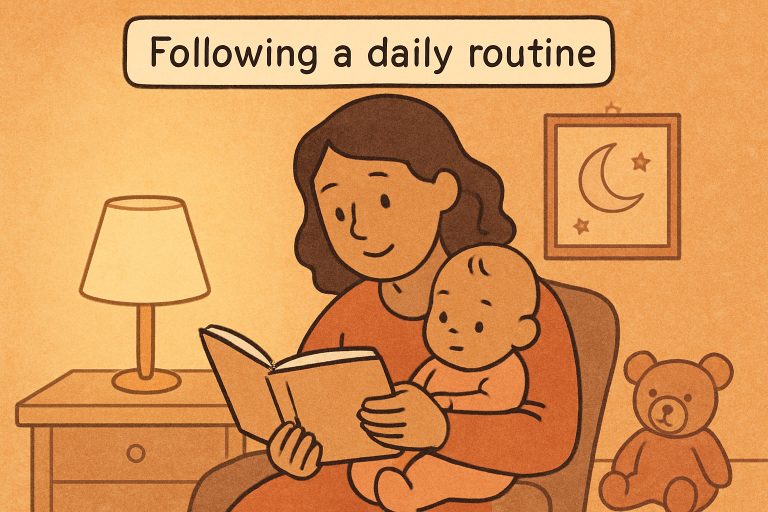
Daily routines do more than provide comfort, as they create a foundation for healthy brain development. Regularly scheduled activities such as playtime, story time, and mealtime expose infants to consistent patterns and repetition, which are essential for cognitive growth. As babies experience these routines, they begin to anticipate what comes next, helping to develop memory, attention, and early language skills. Predictable schedules also foster emotional security, allowing infants to feel safe and supported as they explore their environment. Over time, these structured interactions encourage problem-solving, social engagement, and self-regulation. Parents and caregivers who maintain consistent routines provide infants with the stability needed to thrive, making daily habits a powerful tool for nurturing both emotional well-being and intellectual development.
Promoting Better Sleep Patterns
Regular bedtime routines are crucial for establishing healthy sleep habits in infants. Structured evening activities, such as a warm bath, gentle massage, dimmed lighting, and a calming bedtime story, send clear signals to a child’s brain that it is time to wind down. These consistent cues help regulate the circadian rhythm, making it easier for infants to fall asleep more quickly and maintain longer, restorative sleep cycles. Research from pediatric sleep experts shows that babies who experience predictable bedtime routines often have fewer nighttime awakenings, better mood regulation, and improved attention and learning during the day. Beyond physical rest, consistent routines also provide emotional security, fostering a sense of safety and trust. By prioritizing structured, calming bedtime practices, parents and caregivers can support both the immediate and long-term well-being of their child, creating a strong foundation for healthy growth and development.
Reducing Behavioral Issues
Predictable routines reduce stressors that lead to tantrums or fussiness. When infants know what to expect, transitions are smoother, minimizing frustration and confusion. Clear expectations help babies develop patience and learn how to self-soothe. According to the American Academy of Pediatrics, clear, structured routines support emotional resilience in infants and can significantly reduce the rates of behavioral challenges encountered in both infancy and later childhood.
Practical Tips for Establishing Routines
- Set Regular Feeding Times: Feed your baby at the same times each day to anchor their sense of security and comfort.
- Establish a Bedtime Routine:Consistently use calming activities, such as a bath or story, to signal sleep, helping your baby settle and rest more peacefully.
- Encourage Playtime: Allocate daily play sessions for developmentally appropriate activities, including tummy time and sensory play. These strengthen both cognitive and motor skills.
- Stay Consistent, Even on Weekends:Resist the urge to change routines during weekends or holidays, as stability is key to healthy development.
Conclusion
Consistent daily routines act as a nurturing framework that supports every aspect of infant development. By prioritizing predictability and balance in your child’s earliest months, you provide comfort, enhance learning, and build essential emotional foundations. Embrace routines not as strict rules, but as guiding anchors that offer infants security and help both parents and children flourish together in the formative years.