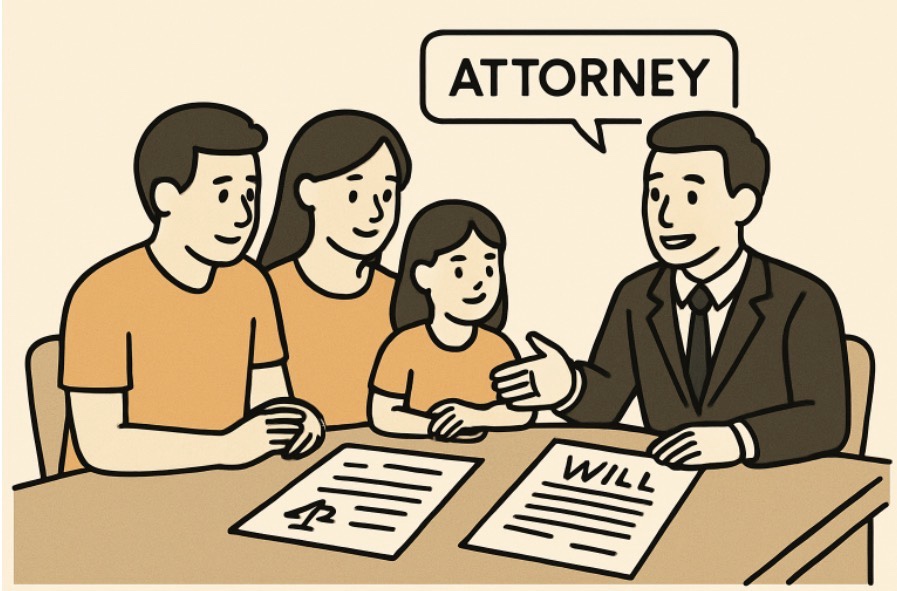
The passing of a loved one brings not only grief but also a host of complex decisions and responsibilities. From managing financial accounts to understanding legal documents, families often face tasks they may have never encountered before. Without proper guidance, these obligations can quickly become confusing and stressful, further complicating an already challenging time. Navigating the loss of a loved one is emotionally taxing, and the accompanying legal and financial responsibilities can feel overwhelming. One crucial area where families often require support is in the probate process—specifically, handling the legal transfer of assets from the deceased to their rightful heirs. Guidance from a skilled Colorado probate attorney helps families navigate these responsibilities, ensuring the decedent’s wishes are respected and all legal obligations are fulfilled.
Probate can be complicated, especially when it involves substantial assets, intricate family dynamics, or unresolved debts. Families are required to adhere to strict legal timelines and follow detailed procedures, often at a time of grief and vulnerability. An experienced probate attorney provides invaluable counsel, protecting the estate from costly mistakes and conflict while relieving much of the associated stress.
Understanding each step—and how professional legal guidance benefits the process—is crucial for anyone tasked with settling an estate. This guide outlines the essential roles that probate attorneys play, common challenges in probate, and provides tips for selecting the proper legal support.
Understanding Probate
Probate is the court-supervised process that typically follows a person’s passing. It involves authenticating the decedent’s will, settling unpaid debts, assessing the value of assets, and ensuring distribution according to the will or, in the absence of a will, state law. While some estates avoid probate through trusts or joint ownership, for many, probate is essential for an orderly transfer of assets and resolution of debts.
The process typically begins with filing the deceased’s will in probate court. The court validates the will, appoints a personal representative (executor), and empowers them to act on behalf of the estate. This representative assumes a fiduciary duty—to act in the best interests of beneficiaries and creditors transparently and fairly.
Roles of a Probate Attorney
Will Validation and Court Filings
The first responsibility of a probate attorney is ensuring the decedent’s will meets all legal criteria and is correctly submitted. They assist with preparing required legal documents, providing notice to heirs and creditors, and meeting all court deadlines for filings.
Asset Inventory and Management
Attorneys guide the executor in identifying, cataloguing, and valuing every asset—from real estate and financial holdings to personal property and collectibles. This step often uncovers issues such as missing assets or unclear ownership, which legal counsel can resolve.
Debt Resolution and Tax Compliance
Probate lawyers help identify legitimate creditor claims and ensure all debts, including final taxes, are discharged in the proper order of priority. Complex estates may require specialized strategies to minimize tax liability and prevent claims against beneficiaries.
Dispute Resolution
Disagreements among heirs are unfortunately common. Attorneys often serve as mediators, working to find mutually agreeable solutions and, if necessary, representing their clients in court to defend the estate’s interests.
Court Representation
If disputes result in litigation, or if unusual assets or claims are involved, probate attorneys represent the estate before the probate judge. Their courtroom experience can mean the difference between lengthy, expensive litigation and a quick, amicable resolution.
Benefits of Hiring a Probate Attorney
Process Efficiency
Probate attorneys streamline the procedural steps, reducing the likelihood of delays due to court rejections or missed deadlines. Their familiarity with local probate courts ensures filings are complete and accurate from the outset.
Legal and Tax Compliance
Experienced attorneys ensure compliance with both state and federal laws, thereby avoiding common pitfalls such as unpaid taxes or improperly notified creditors. Their involvement can lower the chance of later legal challenges or penalties.
Peace of Mind
By taking on the legal and administrative burden, probate attorneys allow families to focus their energy on healing and remembrance, confident that professionals handle the estate’s complexities.
Common Challenges in Probate
Several challenges can arise during probate:
- Family Conflicts: Disagreements over asset distribution or the validity of the will can halt proceedings.
- Complex Estates: Estates with businesses, international assets, or real estate in multiple states often require advanced legal strategies.
- Missed Deadlines: Failing to file documents or notify beneficiaries and creditors on time can significantly delay or complicate processes.
Effectively addressing these challenges demands an attorney’s knowledge of probate law and procedural rules.
Choosing the Right Probate Attorney
When choosing a probate attorney, it’s essential to prioritize legal professionals who possess extensive experience in local probate courts and a proven history of successfully managing estate administration. Inquire about their communication style, how clearly they explain fees, and their approach to guiding clients through complex legal processes. Understanding their past results, especially with estates similar to your own, can provide confidence in their abilities. Additionally, client testimonials and recommendations offer valuable insights into an attorney’s reputation for professionalism, empathy, and attention to detail. Selecting the right attorney ensures that the probate process is handled efficiently, accurately, and with sensitivity during a challenging time.
Conclusion
Settling an estate can feel overwhelming, particularly for families coping with the emotional impact of losing a loved one. The probate process involves numerous legal requirements, deadlines, and potential disputes that can complicate matters without proper guidance. Engaging an experienced probate attorney provides families with essential support, ensuring all actions comply with state laws while facilitating a smoother, more efficient process. By combining a deep understanding of legal procedures with sensitivity to the individual circumstances of each estate, probate attorneys help minimize stress, address complex issues, and protect the decedent’s wishes. Their expertise provides families with clarity, confidence, and reassurance during a challenging transition.