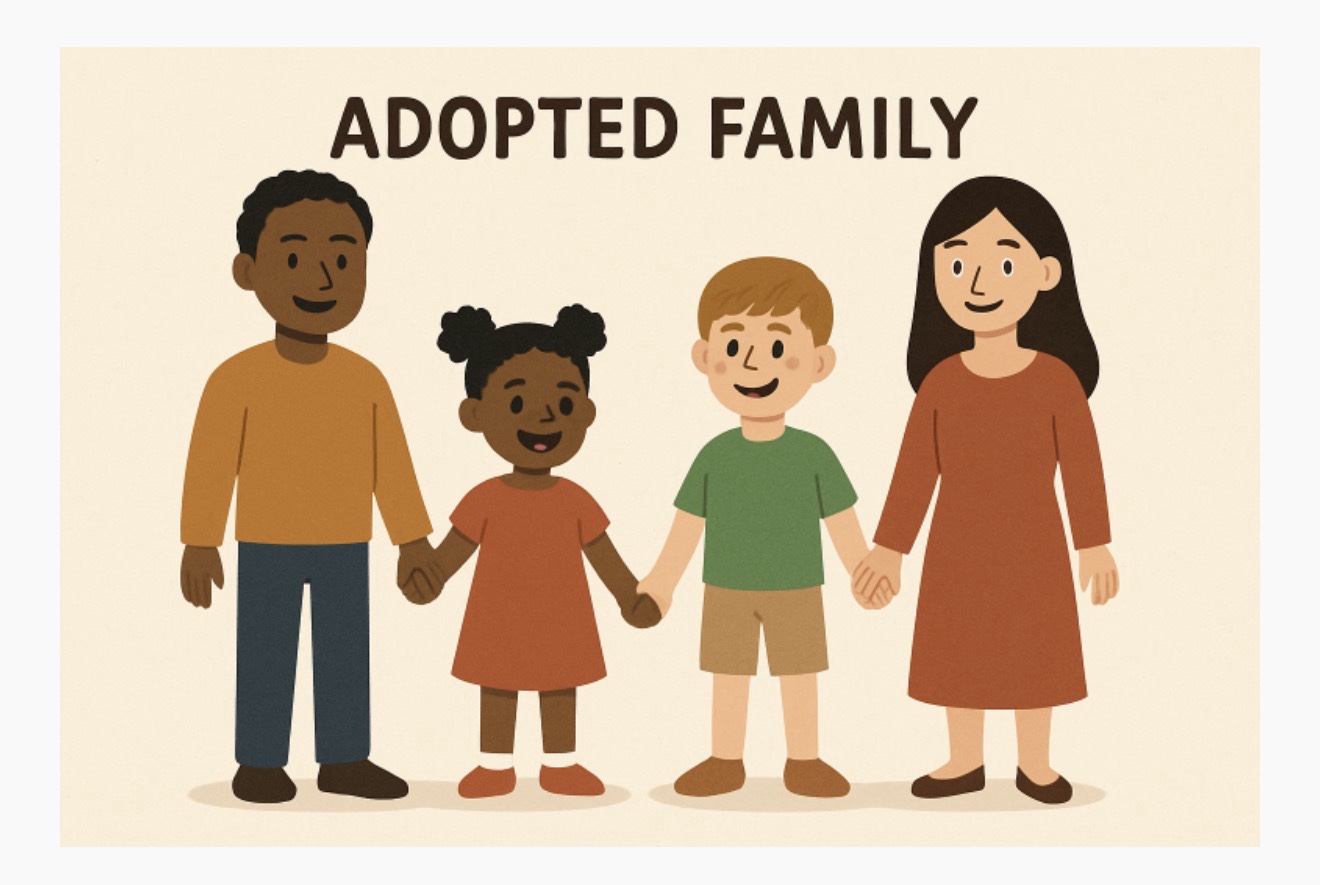
Adoption invites families to embark on a life-changing journey, reshaping their sense of self, relationships, and perspectives. When a child joins a family through adoption, everyone develops and grows, learning to adapt to new emotional landscapes. The adoption process introduces new experiences, requiring families to navigate cultural differences, legal processes, and shifting roles. For many, joining networks such as adoptive family Georgia provides valuable community support, connecting parents with local resources, advice, and shared experiences. As parents and children form strong new bonds, the importance of education, patience, and empathy becomes clear. Families often discover resilience they never knew they had while creating lasting connections rooted in love and understanding.
Positive transformation takes time, and families may experience both joy and challenge as dynamics shift. Effective communication is key. Parents and children benefit immensely from honest conversations about heritage, identity, and change. Seeking out professional resources can offer vital support along the way. In addition to emotional adjustment, integrating new family members often involves developing an awareness of cultural traditions, navigating financial responsibilities, and establishing relationships with a broader community. Building a responsive, nurturing home environment is essential to a successful adoption experience.
Embracing New Family Dynamics
Adding a child to the family through adoption transforms everyday life in profound ways. Parents become adept at balancing new relationships, while siblings must adapt to sharing attention and forming their own connections with the adopted child. According to Psychology Today, understanding family dynamics —how members interact, adjust to change, and support one another —can help make these transitions smoother. Extended family members introduce diverse backgrounds, enriching the collective experience of the family unit. Maintaining flexibility, celebrating differences, and approaching change with curiosity all contribute to a stable and supportive environment for everyone involved.
Emotional Growth and Resilience
Adoption journeys cultivate emotional growth and resilience within families. Children may face questions about their origins or reasons for adoption, and parents must be prepared to address these with honesty and compassion. Adoptive families often find new depths of empathy as they navigate trauma, loss, or complex backgrounds together. For some families, supporting a child through a difficult past can also mean dealing with circumstances that have caused lasting harm. When those circumstances involve serious injuries or other significant losses, having experienced legal support can help families understand their options. Circeo Law Firm PSC represents clients in matters involving personal injury, catastrophic injury, medical malpractice, and wrongful death. Commitment to open dialogue encourages children to trust, explore their identity, and feel secure as they grow.
Legal and Ethical Considerations
Ethical and legal steps are foundational to the adoption process. Current regulations require thorough assessments and informed consent from all birth parents. Agencies and professionals now place a high priority on transparency, ensuring that the rights and welfare of children, birth parents, and adoptive families are safeguarded throughout the process. Birth parents usually receive extensive counseling and support, while adoptive families are assessed for readiness, stability, and their ability to meet the child’s unique needs. Understanding these procedures helps families approach adoption with confidence and clarity.
Support Systems and Resources
Thriving as an adoptive family often depends on a strong network of support. Access to counseling, peer support groups, educational workshops, and therapists experienced in adoption-related issues helps families adapt and manage challenges. Community involvement, school support, and reliable healthcare are equally important aspects of a strong support system, making it easier for children and parents to process and celebrate new beginnings together.
Even when you’re going through the adoption process, a quality family lawyer is essential to helping things go smoothly as possible, so that’s another support you will find through this journey.
Celebrating Cultural Heritage
Adoptive families often strengthen their bonds by appreciating and engaging with their child’s cultural background. This might involve learning about holidays and traditions, connecting with cultural communities, or embracing bilingualism in the home. Such practices validate the child’s identity and enrich the family as a whole. Culture camps, heritage celebrations, and community networks can help bridge gaps and ensure that children feel seen, valued, and proud of where they come from. This inclusive approach not only supports the child’s sense of self but also promotes unity within the family.
Financial Implications
The adoption process brings important financial responsibilities. Families must budget for agency fees, legal representation, travel, and other associated costs. Many families find help through employer adoption benefits or federal adoption tax credits. Planning ahead eliminates surprises and ensures a smoother transition.
Long-Term Commitment
Adoption is more than a single event; it’s a lifelong journey that involves ongoing commitment. Children’s needs evolve, and families are called upon again and again to adapt, support, and nurture growth well into adulthood. Ongoing education about adoption issues, continued connection with supportive networks, and a willingness to seek help when needed are all fundamental to lifelong success. By working together and keeping the lines of communication open, families ensure that every member feels loved, respected, and secure.
Conclusion
Adoption powerfully transforms families, providing opportunities for growth, empathy, and understanding. With thoughtful preparation, open communication, and reliable support, adoptive families can meet any challenge, celebrate their unique stories, and create nurturing environments where every child can thrive.