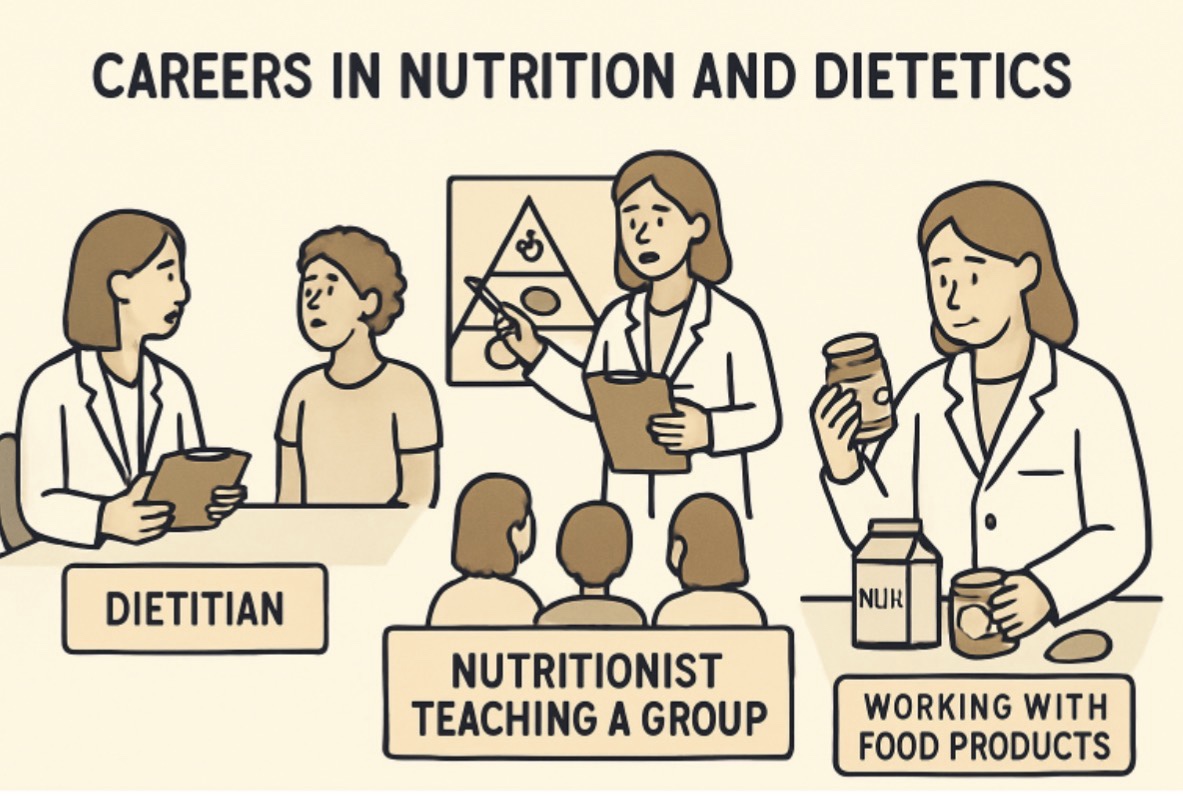
Nutrition and dietetics have evolved far beyond traditional clinical roles, offering a diverse range of innovative career opportunities for those passionate about health and wellness. Whether you aspire to guide individual patients, shape public health, or innovate within the food industry, the pathways for a rewarding career are wide open. Many aspiring nutrition professionals start their journey with specialized education, such as a nutritionist online degree, which provides the flexibility and foundational knowledge needed to succeed in this dynamic field.
Roles in nutrition and dietetics are shaped by trends like telehealth and personalized nutrition, allowing professionals to influence communities. Combining science with practical skills creates diverse career paths and keeps the field adaptable. Diversification lets professionals match their strengths with societal needs, from wellness programs to public health research. Specialization is key for leadership roles and job satisfaction. Technological advances and public interest in preventive health generate new opportunities. Those with current skills and good education are best equipped for leadership.
Clinical Dietitian
Working as a clinical dietitian remains a foundational career path in the field of nutrition and dietetics. Situated in hospitals, outpatient care centers, and long-term care facilities, clinical dietitians assess patient nutritional needs, create individualized meal plans, and educate patients on managing chronic diseases such as diabetes, cardiovascular conditions, and gastrointestinal disorders. Their expertise helps improve recovery rates and supports patients’ overall well-being by integrating evidence-based nutrition into medical care. The role of the clinical dietitian is essential for bridging the gap between medical treatment and practical, sustainable dietary changes.
Community Nutritionist
Community nutritionists play a pivotal role in public health, addressing the nutritional needs of larger groups rather than individuals. Employed by government agencies, non-profit organizations, and local community programs, these professionals design and implement educational initiatives aimed at improving nutritional literacy, preventing chronic diseases, and promoting healthy eating habits at the population level. Their outreach campaigns often target at-risk populations, such as low-income families and children, to create lasting positive change across communities. Community nutritionists often collaborate with schools and local governments to develop and evaluate the effectiveness of policy and programmatic interventions.
Food Industry Roles
The food industry is another arena ripe with opportunity for nutrition professionals. Companies rely on dietitians and nutritionists for product research and development, nutrient analysis, regulatory compliance, and public education. Nutrition experts may be consulted during the development of healthier products, the analysis of food labels, or the communication of nutritional benefits to consumers through marketing and public relations efforts. Major corporations, such as PepsiCo, hire nutrition professionals as part of their commitment to delivering products that meet evolving consumer needs and regulatory standards.
Telehealth Nutrition Services
The digital era has ushered in telehealth as a transformative force within dietetics. Virtual nutrition consultations not only offer convenience for clients but also enable dietitians to connect with underserved or remote populations. Services may include dietary assessments, follow-up appointments, and ongoing support using secure video conferencing platforms. Telehealth provides flexibility for both practitioners and clients, breaking down geographic barriers and increasing the impact of personalized nutrition care.
Research and Academia
For individuals drawn to innovation and scientific discovery, research and academic roles in nutrition and dietetics are highly sought after. Researchers investigate dietary patterns, develop personalized nutrition guidelines, and translate scientific evidence into practical applications. Academic positions may include teaching at colleges or universities, mentoring the next generation of nutrition professionals, and publishing original research. These careers require advanced degrees and a passion for evidence-based practice, but offer the reward of influencing policy and advancing the field of nutrition science.
Corporate Wellness Programs
Corporate wellness is an expanding area where nutrition professionals can make a significant impact. Many companies employ dietitians to develop and manage employee wellness initiatives, focusing on enhancing nutrition, promoting physical activity, and improving overall health outcomes. Programs often include health screenings, personalized coaching, group seminars, and resources for healthier workplace eating environments. Employers recognize that investing in wellness not only boosts productivity but also reduces healthcare costs.
Entrepreneurship
Entrepreneurial dietitians and nutritionists have the freedom to carve out unique career paths, whether through launching a private practice, developing nutrition-related products, or offering consulting services to businesses, schools, and sports teams. This pathway offers autonomy and the flexibility to specialize in niches such as sports nutrition, plant-based diets, or weight management. Entrepreneurs can leverage digital marketing, social media, and other modern tools to reach broader audiences and create innovative services tailored to specific needs.
Advanced Education and Specializations
Continuing professional development is essential for nutrition professionals seeking to specialize or advance their careers. Postgraduate degrees and certifications, such as CSSD or CDCES, signal expertise and can boost pay and leadership opportunities. Specializations in pediatric, gerontological, and renal nutrition target specific populations and address their unique health needs. Overall, nutrition and dietetics offer many opportunities. Success requires ongoing learning, integrity, and compassion. Aligning interests with societal needs helps build a rewarding, health-beneficial career.
Conclusion
The field of nutrition and dietetics offers diverse careers that impact health, ranging from clinical support and community wellness to food industry innovation and telehealth. Opportunities in research, academia, corporate wellness, and entrepreneurship showcase the profession’s versatility. As science and technology continue to evolve, ongoing education and specialization remain vital. A career in this field enables professionals to improve lives, foster innovation, and promote public health.