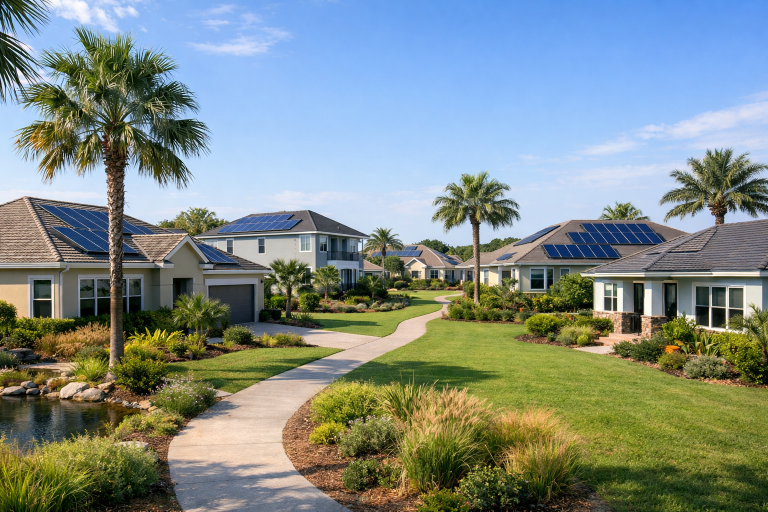
Living sustainably in Florida’s fast-growing residential areas is easier than ever. New developments are blending eco-friendly innovation and modern amenities, creating neighborhoods that protect the environment while offering exceptional quality of life. As homeowners seek eco-conscious ways to adapt to the region’s sunny climate, communities such as the Crosswind Ranch community in Parrish are part of a larger movement integrating renewable energy, conservation, and resilient home-building principles. These forward-thinking communities are becoming models for environmentally responsible living in the Sunshine State. From solar-powered neighborhoods to energy-efficient construction, Florida’s sustainable home communities aim to reduce utility bills and safeguard homes against natural disasters. By implementing innovative designs that address the state’s unique environmental challenges, they provide tangible benefits for residents today and create a blueprint for a greener tomorrow.
Introduction
The demand for sustainable living options is transforming Florida’s housing market. Developers and homebuyers alike are prioritizing construction practices that minimize ecological impact, use renewable energy, and increase long-term value. This shift not only addresses pressing environmental concerns but also meets modern expectations for health, safety, and cost savings. As climate awareness grows, many new communities throughout the state are embracing strategies such as solar energy, water conservation, and green spaces. Residents appreciate the peace of mind these communities offer, knowing their homes are built to adapt to both today’s needs and tomorrow’s challenges. Prominent examples can be found from the Gulf Coast to central Florida, where design and technology come together to create livable, resilient neighborhoods for all ages.
Solar-Powered Communities
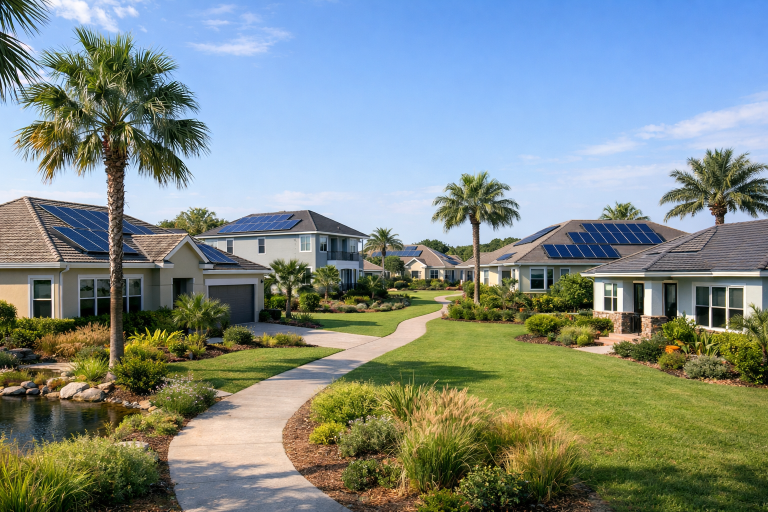
One of the most ambitious undertakings in Florida’s sustainable living movement is Babcock Ranch, often cited as America’s first fully solar-powered town. This innovative development covers over 17,000 acres, anchored by a massive solar array that powers all homes and communal facilities. The community’s design not only meets current energy needs but also feeds surplus electricity back into the grid, supporting regional sustainability efforts. Babcock Ranch’s success demonstrates how large-scale renewable energy projects can thrive in residential settings while enhancing residents’ daily lives. Florida’s sun-soaked environment is ideal for solar-powered communities. Innovations continue in neighborhoods like Polo Run at Lakewood Ranch, where integrated solar panels and sustainable landscaping help homeowners dramatically reduce their carbon footprint. Such projects show the feasibility and cost-effectiveness of solar energy beyond single households, extending benefits across entire communities.
Energy-Efficient Home Designs
Alongside community-scale solar arrays, energy-efficient architecture is becoming the standard in new home communities. Cutting-edge building materials and practices ensure that structures stay cooler in summer and warmer in winter, saving energy and improving comfort. Common features in these homes include triple-paned windows, high-grade insulation, sealed ductwork, and Energy Star-rated appliances. These measures collectively help reduce heat transfer, maintain indoor air quality, and cut annual utility expenses. Many developments also prioritize smart home technology. Programmable thermostats and automated lighting systems let residents optimize energy use with minimal effort. According to the U.S. Department of Energy, smart home upgrades can lead to significant reductions in both energy consumption and overall household expenses. Builders are increasingly aware that buyers value these green features not just for their eco-friendliness, but also for their impact on lifestyle and savings.
Resilient Building Practices
In Florida, where hurricanes and severe storms are a routine threat, resilient construction is a critical part of sustainability. Developments such as Hunters Point in Cortez focus on enhanced structural durability. Homes are elevated, built with wind- and impact-resistant materials, and often equipped with solar panels and battery backup systems. If a power outage occurs, these homes continue to function smoothly, giving residents greater security during extreme weather events. The integration of resilience into design does not end at structural reinforcement. Communities plan for stormwater management, native landscaping, and redundant power sources so that both individual homes and larger neighborhoods remain livable and functional even in challenging conditions. This comprehensive approach to building prepares residents and infrastructures for a future in which climate-related risks may increase.
Benefits for Residents
Sustainable communities offer clear, measurable benefits for homeowners. First, lower utility costs stem from energy-saving appliances, abundant solar power, and efficient building envelopes. Residents often report notable reductions in monthly electric bills compared to standard construction. Second, green designs and materials provide a healthier, more comfortable indoor environment. Improved insulation and ventilation boost air quality, which can be especially important for families with children or seniors. Furthermore, many communities feature extensive amenities such as walking trails, playgrounds, community gardens, and preserved green spaces, encouraging outdoor activity and neighborhood connections. Finally, by choosing a sustainable neighborhood, homeowners are making an investment in long-term resilience. Whether it is increased protection during storms or the peace of mind that comes with living in an energy-independent home, these benefits contribute to higher property values and stronger communities.
Conclusion
Florida’s new home communities are leading the way in sustainable development by combining solar energy, energy-efficient design, and disaster-resilient construction. With communities like Babcock Ranch setting national standards and innovative projects emerging, the possibilities for sustainable living are rapidly expanding. As more residents choose eco-friendly, future-ready homes, these neighborhoods are proving that environmental responsibility can go hand in hand with comfort, safety, and a higher quality of life. In addition, smart home technologies and efficient water management systems are further enhancing sustainability efforts across these developments. Many communities also prioritize green spaces, walkability, and reduced carbon footprints to support healthier lifestyles. As demand continues to grow, developers are increasingly adopting long-term environmental planning strategies that benefit both homeowners and surrounding ecosystems. This shift reflects a broader commitment to building resilient, future-focused communities across Florida.