With the dual pressures of high energy prices and a changing climate, many homeowners are actively seeking sustainable ways to lower their energy bills and minimize environmental impact. One crucial but often overlooked aspect is selecting eco-friendly water heating options, since water heating consistently accounts for a significant share of total household energy consumption. Making the switch to efficient systems not only slashes utility costs but also helps you tread more lightly on the planet. For local solutions and expert support, explore Hamilton hot water tank service, with installation and maintenance professionals dedicated to sustainable choices.
From innovative technologies that harness renewable energy to smart controls that optimize energy use, today’s market offers homeowners a wide range of eco-friendly water-heating solutions. These systems provide both immediate and long-term savings, and many qualify for government rebates and local incentives. By understanding your options, you can tailor your home’s water heating system for maximum efficiency and sustainability.

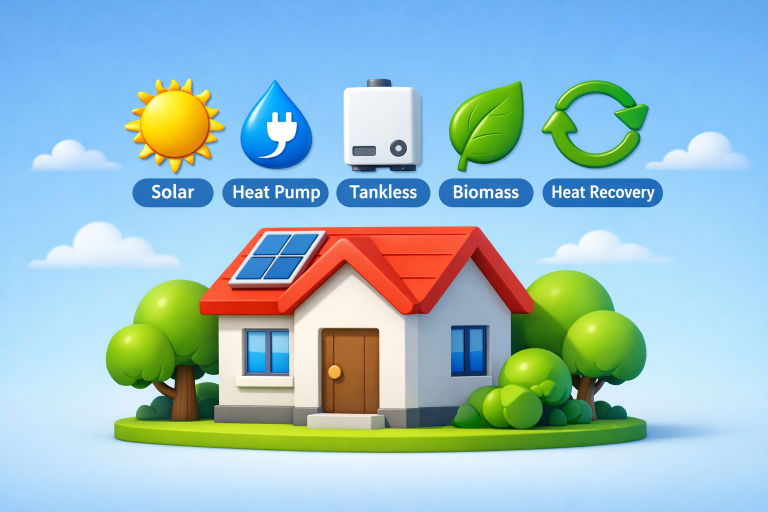
Solar Water Heaters
Solar water heaters are among the most environmentally responsible ways to heat water in your home. These systems use solar panels (collectors) typically mounted on your roof to absorb sunlight and transfer the collected energy to a storage tank. Solar water heaters can dramatically reduce household water-heating energy use, especially in sunny climates, and have relatively low operating costs after installation. On cloudy days and throughout the winter, these systems are often supplemented with gas or electric backup units. Incentives from local governments and utilities can help offset the higher initial cost.
Heat Pump Water Heaters
Heat pump water heaters, sometimes called hybrid heaters, use electricity to transfer heat from the surrounding air into the water tank, rather than producing heat directly. These systems can be three to four times more efficient than conventional electric models and reduce water heating energy consumption by up to 60 percent. They function best in moderate climates with adequate ventilation space, though some advanced models can operate in colder conditions. While upfront costs may be higher than with standard options, the energy savings typically provide a rapid payback through reduced utility bills. For more information on efficiency and selection, consult Consumer Reports’ water heater buying guide.
Tankless Water Heaters
Tankless water heaters, also known as on-demand units, heat water only when you need it. This eliminates standby losses that occur in storage tank systems and can result in substantial energy savings, especially in smaller households or those with lower hot water consumption. Tankless models are available in both electric and natural gas configurations, and many can be paired with renewable energy sources for greater efficiency. However, the flow rate may be limited if hot water demand is high across multiple areas of the home simultaneously. Professional sizing and installation are critical for optimal performance.
Biomass Water Heaters
Biomass water heaters utilize renewable organic resources, such as wood pellets or agricultural byproducts, to generate heat. These units are particularly suitable for rural households where biomass is abundant and affordable. The net environmental impact depends on the sourcing and transportation of the biomass fuel, so local, sustainably harvested fuel provides the greatest benefit. It’s important to factor in storage requirements and the need for regular cleaning and maintenance to ensure consistent performance and low emissions.
Heat Recovery Systems
Heat recovery systems capture waste heat from appliances and drains, such as showers or dishwashers, and redirect it to preheat incoming cold water. These passive systems can reduce total water-heating energy demand by 25 to 40 percent and are most effective in homes with consistent daily hot-water needs. Installation is easiest during new home construction or major renovations, but retrofitting may also be feasible in certain situations. Studies confirm that these systems can have a quick return on investment for families with high usage rates.
Smart Water Heater Controls
Smart water heater controllers increase efficiency by learning your water-use patterns, scheduling heating during off-peak utility hours, and enabling remote temperature management via mobile devices. These smart features optimize when and how much the heater operates to maximize energy savings without sacrificing user comfort. Integrating smart controls with heat pumps or conventional electric heaters can save 10 to 20 percent on annual water-heating costs, making them a simple upgrade for technologically inclined households.
Additional Strategies for Efficient Water Heating
Regardless of which system you install, there are several effective strategies to further reduce your water heating energy consumption. Insulate hot water pipes to retain heat as water travels from tank to tap, and lower your water heater thermostat to around 120°F for safe, comfortable showers and baths. Annual maintenance tasks, such as flushing sediment out of tanks, ensure systems run efficiently and last longer. For older tanks, adding an insulating jacket can further reduce heat loss and energy use.
Conclusion
Choosing eco-friendly water heaters and optimizing system performance directly translate into lower carbon emissions, reduced reliance on fossil fuels, and meaningful long-term household savings. The options available today suit a variety of needs, climates, and budgets, enabling every homeowner to make an informed, sustainable choice that moves us all closer to a more energy-efficient future.