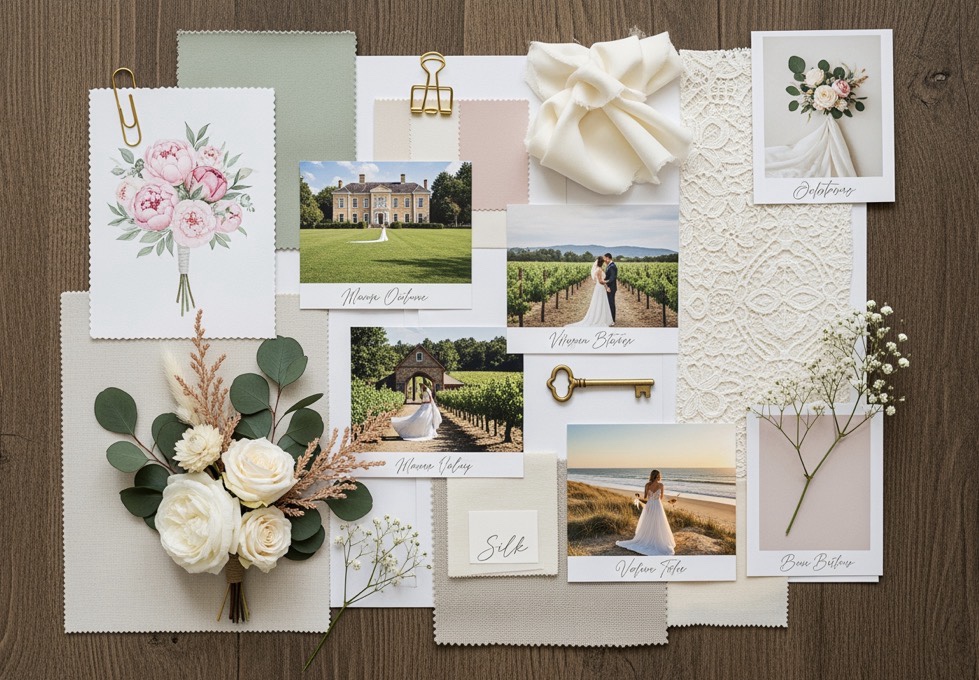
Defining Your Wedding Floral Style

Your wedding day is a truly special occasion. Every detail helps create lasting memories. Flowers, in particular, play a vital role. They set the perfect mood and add beauty to your celebration. They also reflect your unique style and personality.
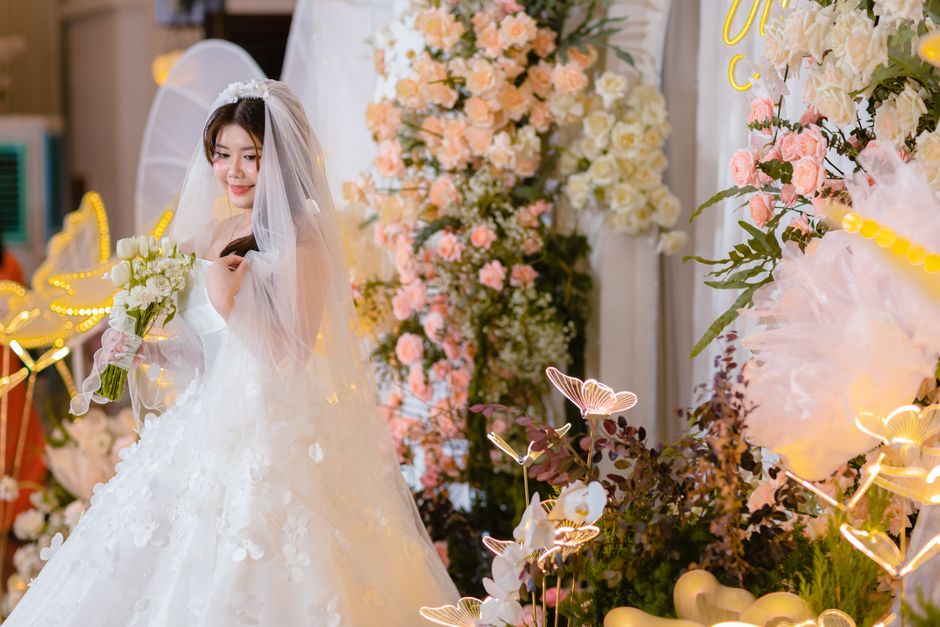
In this guide, we will walk you through wedding blooms. We will explore how to pick the right floral styles. We will teach you how to budget wisely. And we will show you how to work best with your floral designer.
We want to make your journey to beautiful wedding flowers simple. We will share expert tips and insights. These will help you create a stunning and memorable floral look for your big day.
Before you even begin to think about specific flowers or arrangements, the most crucial step is to define your overall wedding floral style. This foundational vision will guide every subsequent decision, from the types of blooms you choose to the containers they’re displayed in. Your floral style should be a natural extension of your venue, your chosen color palette, and, most importantly, your personal aesthetic as a couple. It’s about creating a cohesive visual narrative that tells your unique love story through the language of flowers.
Consider the atmosphere you envision for your day. Is it grand and formal, intimate and relaxed, or something in between? The architecture and natural surroundings of your venue will play a significant role here. A rustic barn venue, for instance, might call for organic, free-flowing arrangements, while a grand ballroom might be better suited to structured, neat designs. Your color palette, too, is more than just a preference; it’s a tool for conveying mood. Soft pastels evoke romance and gentleness, while bold, vibrant hues suggest energy and celebration. By thoughtfully integrating these elements, you begin to craft a truly personalized and unforgettable floral vision.

Common Wedding Themes
Understanding common wedding themes can provide a helpful starting point for articulating your vision to your floral designer. These themes offer a framework, but they are merely jumping-off points for your unique interpretation.
- Classic Elegance: This timeless style often features traditional blooms like roses, hydrangeas, and lilies in white, ivory, and soft pastel shades. Arrangements are typically structured, symmetrical, and sophisticated, emphasizing luxury and refined beauty. Think opulent centerpieces and graceful cascading bouquets, often seen in grand ballrooms or historic estates.
- Modern Minimalism: Characterized by clean lines, monochromatic palettes, and a focus on texture rather than abundance. This theme often uses unique, architectural blooms like calla lilies, orchids, or anthuriums, with sparse greenery. The beauty lies in simplicity and intentional design, perfect for contemporary art spaces or urban loft venues.
- Rustic Bohemian: Embracing nature’s wild beauty, this style incorporates abundant greenery, wildflowers, and textural elements like grasses or dried flowers. Loose, organic arrangements, often asymmetrical, are common. Think earthy tones, pops of vibrant color, and an overall relaxed, whimsical feel, ideal for outdoor weddings, barns, or woodland settings.
- Romantic Garden Party: Drawing inspiration from lush gardens, this theme features a profusion of soft, fragrant blooms such as peonies, garden roses, and sweet peas. Arrangements are often full, flowing, and slightly undone, evoking an ethereal and dreamy atmosphere. Pastel and blush tones dominate, creating a whimsical and intimate feel suitable for garden venues, vineyards, or tented receptions.
Translating Inspiration into a Cohesive Look
Once you have a general idea of your desired theme, the next step is to gather inspiration and translate it into a cohesive look that your floral designer can bring to life. This process is highly visual and collaborative.
Many couples find Pinterest to be an invaluable tool for gathering inspiration. Create a dedicated wedding board and pin images of floral arrangements, color palettes, venue decor, and even fashion that resonate with your vision. Don’t limit yourself just to flowers; textiles, art, and landscapes can also spark ideas. The key is to look for patterns and commonalities in what you’re drawn to. Are you consistently pinning images with lush greenery, or do you prefer clean, modern lines? This exercise helps you refine your preferences.
Beyond digital mood boards, consider collecting physical swatches of your wedding attire, bridesmaid dresses, and any fabric samples for linens. These tangible elements provide crucial context for your floral designer, allowing them to visualize textures and colors accurately. When you communicate with your designer, be prepared to share your inspiration, but also be open to their professional guidance. They can offer insights into seasonality, availability, and how different elements will work together within your budget. By combining your personal vision with their expertise, you can create a truly unique and harmonious floral design.
Key Components of Your Wedding Floral Design
The floral elements of your wedding extend far beyond just the bridal bouquet. A truly cohesive wedding floral design considers every moment of your day, from the intimate personal touches worn by the wedding party to the grand statements that transform your ceremony and reception spaces. Each component plays a vital role in creating an immersive and beautiful experience for you and your guests. Thinking about these different categories will help ensure that no detail is overlooked and that your floral story flows seamlessly throughout your celebration.
Personal Flowers for the Wedding Party
Personal flowers are those worn or carried by the couple and their closest attendants. These are often the most photographed floral elements and contribute significantly to the overall aesthetic of your wedding party.
- Bridal Bouquet Styles: The bridal bouquet is arguably the most iconic floral piece of the day. Styles range from classic round bouquets, neat cascades that flow downwards, to loose, organic, and hand-tied arrangements. The choice often reflects the bride’s personality and the overall wedding theme. Consider the weight and size, ensuring it complements your gown and is comfortable to carry.
- Bridesmaid Bouquets: These are typically smaller versions of the bridal bouquet or complementary designs that tie into the wedding’s color scheme. They should harmonize with the bridesmaids’ dresses without overshadowing the bride.
- Boutonnieres: Worn by the groom, groomsmen, fathers, and sometimes other significant male family members, boutonnieres are small floral accents pinned to the lapel. They usually feature a single bloom or a cluster of small flowers and greenery, matching the main floral theme.
- Corsages: Traditionally worn by mothers and grandmothers, corsages can be pin-on or wrist styles. They are designed to be neat and comfortable, often featuring delicate flowers that coordinate with the wedding colors.
- Flower Crowns: A popular choice for bohemian or outdoor weddings, flower crowns adorn the hair of the bride, bridesmaids, or flower girls, offering a whimsical and natural look.
- Hair Accessories: Beyond full crowns, individual blooms or small floral clusters can be woven into updos or half-up styles, adding a subtle touch of floral beauty.
Ceremony and Reception Floral Decor
These are the larger, more impactful floral installations that define your wedding spaces and create memorable backdrops for your most significant moments.
- Altar and Arch Arrangements: The focal point of your ceremony, these can range from grand floral arches, chuppahs, or mandaps adorned with flowers and greenery, to more subtle arrangements flanking the altar. They frame the couple as they exchange vows and provide a stunning backdrop for photos.
- Aisle Decorations: From scattered petals to floral clusters tied to chairs or pews, or even lush greenery runners, aisle decorations guide the eye and create an inviting path for the processional.
- Welcome Sign Florals: A beautiful floral accent on your welcome sign sets the tone for your guests as they arrive, introducing them to your wedding’s aesthetic.
- Table Centerpieces: These are crucial for reception decor, ranging from tall, dramatic arrangements that create visual height to low, lush designs that encourage conversation. They should complement the table shape and size, as well as the overall ambiance of the room.
- Sweetheart Table Design: Often more elaborate than guest table centerpieces, the sweetheart table (or head table) is where the couple sits and is a significant photo opportunity. It typically features a more substantial floral display, often incorporating elements from the bridal bouquet.
- Cake Flowers: Fresh flowers can lift a simple wedding cake into a work of art. They can be arranged in cascades, clusters, or as a single statement bloom, always chosen to be non-toxic and food-safe.
Budgeting and Seasonal Flower Selection
Navigating wedding florals requires a clear understanding of your budget and the impact of seasonality on flower availability and cost. While it’s tempting to dream of exotic blooms, a strategic approach to floral budget allocation and a keen eye for cost-conscious choices can ensure your vision comes to life without financial strain. Repurposing arrangements from your ceremony to your reception, for instance, is an excellent way to maximize your investment and extend the beauty of your flowers throughout the entire day.
Understanding Floral Costs
Several factors contribute to the overall cost of your wedding flowers, and being aware of these can help you make informed decisions and prioritize your spending.
- Flower Seasonality: This is perhaps the biggest determinant of cost. Flowers that are in season locally will generally be more affordable and fresher than those that need to be imported or grown out of season. Planning your wedding during a time when your favorite blooms are naturally abundant can lead to significant savings.
- Arrangement Size and Density: Larger and more densely packed arrangements naturally require more flowers, increasing the cost. Consider where you want to make a big impact versus where you can opt for more minimalist designs.
- Design Complexity: Intricate designs, elaborate installations, or unique structural elements require more labor and specialized skills from your floral designer, which will be reflected in the price. Simpler, more organic designs can often be more budget-friendly.
- Labor and Delivery: The cost of your floral designer’s time for consultation, design, preparation, setup, and teardown is a significant part of the overall expense. Delivery fees, especially for multiple locations or long distances, also add to the total. This is an essential service component that ensures your flowers are perfectly placed and fresh on your wedding day.
Popular Wedding Flowers by Season
Choosing flowers that are naturally in season not only helps with your budget but also ensures the freshest, most vibrant blooms. Here’s a guide to popular wedding flowers by season:
- Spring (March – May):Peonies: Lush, fragrant, and romantic, available in various shades of pink, white, and coral.
- Tulips: Neat and versatile, coming in almost every color imaginable.
- Ranunculus: Delicate, multi-petaled blooms that add texture and depth.
- Sweet Peas: Fragrant and whimsical, perfect for a garden-style wedding.
- Hyacinths: Highly fragrant, adding a unique texture and beautiful scent.
- Freesia: Delicate, bell-shaped flowers with a sweet, citrusy scent.
- Summer (June – August):Roses: A timeless classic, available year-round but especially abundant and beautiful in summer. Garden roses are particularly popular for their lush, romantic look.
- Hydrangeas: Large, billowy blooms that fill space beautifully, available in white, blue, pink, and green.
- Dahlias: Striking and diverse, from small pom-poms to large dinner-plate varieties, offering a wide range of colors and textures.
- Sunflowers: Cheerful and vibrant, perfect for rustic or outdoor summer weddings.
- Lisianthus: Neat, rose-like blooms that come in various shades, often with ruffled petals.
- Zinnias: Bright, colorful, and long-lasting, ideal for a cheerful, informal feel.
- Autumn (September – November):Dahlias: Continue to be a showstopper well into autumn, with rich, deep colors.
- Chrysanthemums (Mums): Available in an incredible array of colors and forms, from delicate sprays to large, sculptural blooms.
- Celosia: Unique, velvety plumes in vibrant reds, oranges, and yellows, adding texture.
- Anemones: Striking blooms with dark centers, available in white, red, and purple.
- Scabiosa: Delicate, pincushion-like flowers that add a whimsical touch.
- Autumn Leaves/Berries: Incorporating seasonal foliage and berries adds rich texture and color.
- Winter (December – February):Anemones: Still popular, especially in white with dark centers for a striking contrast.
- Ranunculus: Their delicate layers are perfect for winter bouquets.
- Hellebores: Neat, bell-shaped flowers that bloom in winter, often in subtle shades.
- Paperwhites: Fragrant and delicate, perfect for a natural, minimalist look.
- Evergreens/Pinecones: Essential for adding texture and a festive, wintery feel.
- Amaryllis: Large, trumpet-shaped flowers that make a bold statement.
Collaborating with Your Floral Designer
The relationship with your floral designer is one of the most crucial partnerships in wedding planning. They are the artistic visionaries who will translate your dreams into tangible, fragrant reality. Finding a professional who understands your aesthetic, respects your budget, and communicates effectively is paramount. The consultation process is your opportunity to share your vision, and their role is to guide you through possibilities, understand your priorities, and ultimately present a proposal that captures the essence of your day. It’s a collaborative journey where trust and clear communication lead to breathtaking results.
Preparing for Your Wedding Floral Design Consultation
A well-prepared client makes for a more productive and efficient consultation, ultimately leading to a more accurate and satisfying floral proposal. Before your first meeting with a prospective floral designer, take some time to gather key information and materials.
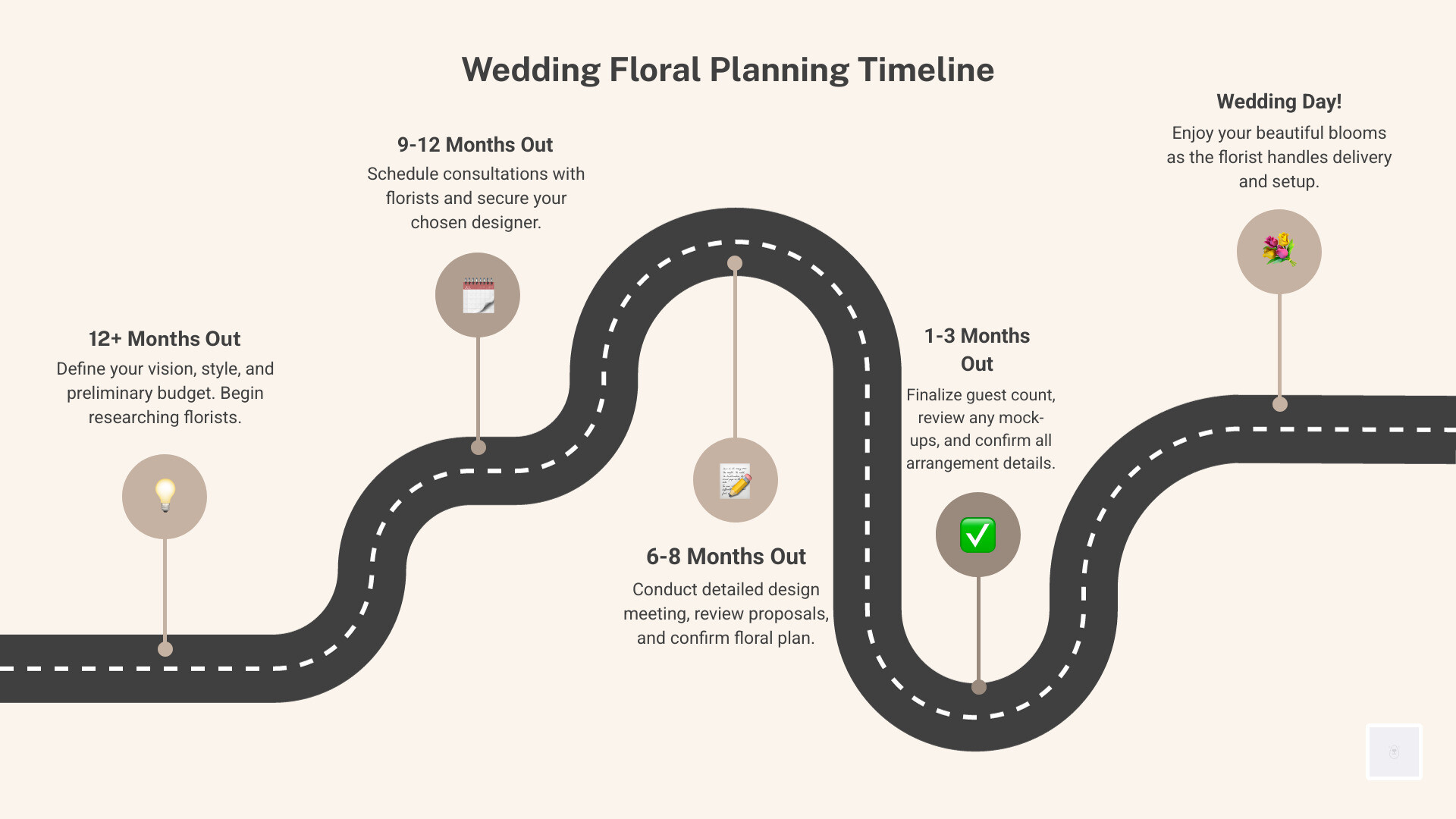
- Bringing Inspiration Photos: This is perhaps the most important element. Bring a curated selection of images (from Pinterest, magazines, or real weddings) that clearly articulate your desired style, color palette, and specific arrangements you love. Don’t just show what you like; also include a few examples of what you don’t like, as this can be equally informative.
- Establishing Your Budget: Be upfront and realistic about your floral budget. This allows your designer to suggest appropriate flowers and designs that align with your financial parameters, preventing disappointment later on. A good designer can offer creative solutions to achieve your desired look within your budget.
- Providing Venue Details: Share information about your ceremony and reception venues. This includes photos, floor plans, and any restrictions they might have regarding decor. The designer needs to understand the architectural style, lighting, and existing decor of the spaces to design arrangements that complement rather than clash.
- Finalizing Your Guest Count (Approximate): While not set in stone, an approximate guest count helps the designer estimate the number of centerpieces, boutonnieres, and other elements needed, contributing to a more accurate initial quote.
Creating Your Custom Wedding Floral Designs
Once you’ve had your initial consultation, your floral designer will typically prepare a detailed floral proposal. This document should outline all the discussed elements, including specific flower types, quantities, design descriptions, and associated costs. Review this proposal thoroughly, ensuring it accurately reflects your conversations and vision. Don’t hesitate to ask questions for clarification or suggest adjustments. This is your opportunity to fine-tune the plan before moving forward.
For larger or more complex arrangements, some designers may offer a mock-up. This allows you to see a representation of a centerpiece or a portion of an installation before the wedding day, providing an invaluable opportunity to make any final tweaks to color, size, or style. Trusting your designer’s expertise is also key; they have years of experience and can offer valuable insights into what will work best aesthetically and logistically within your venue and budget. Their professional eye can often lift your initial ideas to something even more spectacular. By communicating openly and trusting their creative process, you can collaborate to finalize the intricate details, ensuring that your unique celebration is adorned with truly stunning and custom wedding floral designs that perfectly capture your love story.
Frequently Asked Questions about Wedding Florals
Planning wedding florals can sometimes feel overwhelming, and it’s natural to have many questions. Here, we address some of the most common inquiries that couples have during their floral journey, providing expert insights to help you steer the process with confidence.
How far in advance should I book my wedding florist?
We generally recommend booking your wedding florist approximately 9 to 12 months in advance, especially if you are getting married during peak wedding season (typically spring and fall). Popular and highly sought-after floral designers often book up quickly, and securing your date early ensures you have access to your preferred professional. This timeline also allows ample time for consultations, design development, and securing specific flower varieties, particularly if you have unique or seasonal preferences. For smaller, less elaborate events, 6-8 months might suffice, but for comprehensive wedding floral design, earlier is always better to avoid disappointment and allow for a relaxed planning process.
What are some durable flowers that hold up well throughout the day?
Choosing durable flowers is crucial, especially for personal flowers like bouquets and boutonnieres that will be out of water for extended periods and exposed to various conditions. Some of the most robust and long-lasting options include:
- Roses: Classic and resilient, roses are excellent for bouquets and arrangements, maintaining their shape and freshness for hours.
- Carnations: Often underestimated, modern carnations come in beautiful shades and are incredibly hardy, making them a budget-friendly and durable choice.
- Orchids (Phalaenopsis, Cymbidium):These exotic blooms are surprisingly tough and can withstand a lot without wilting, perfect for boutonnieres and hairpieces.
- Calla Lilies: With their sleek, architectural form, calla lilies are very sturdy and hold up exceptionally well, especially in modern designs.
- Succulents: While not traditional flowers, succulents are incredibly resilient and can be incorporated into bouquets and boutonnieres for a unique, long-lasting touch.
- Protea: Bold and distinctive, protea flowers are very durable and add a sculptural element to arrangements.
- Lisianthus: These delicate-looking blooms are surprisingly robust and have excellent vase life, making them a great choice for bouquets.
Incorporating plenty of greenery also helps to protect and support the more delicate blooms, contributing to the overall longevity of your arrangements.
What is the difference between a florist and a floral designer?
While the terms “florist” and “floral designer” are often used interchangeably, there can be subtle but important distinctions, particularly in the context of wedding and event work.
A florist typically operates a retail flower shop. Their expertise lies in creating a wide range of floral products for everyday occasions – birthdays, anniversaries, sympathy arrangements, and walk-in customers. They are skilled in handling flowers, creating beautiful arrangements, and providing excellent customer service. Their focus is often on quick turnaround and a diverse product offering.
A floral designer, especially one specializing in weddings and events, often takes a more bespoke, artistic, and consultative approach. They work closely with clients to develop a cohesive floral vision for an entire event, considering the venue, theme, color palette, and personal style. Their work involves not just arranging flowers but also conceptualizing and executing large-scale installations, sourcing specific or unusual blooms, and managing the logistics of setup and teardown for complex events. They are artists who use flowers as their medium to create an immersive experience, often working out of a studio rather than a storefront. While a florist can certainly design wedding flowers, a dedicated floral designer often offers a more specialized and comprehensive service for large-scale events.
Conclusion
The flowers you choose for your wedding day are far more than mere decorations; they are integral to the atmosphere, the memories, and the personal expression of your celebration. From the initial spark of inspiration to the final, breathtaking arrangements, every decision contributes to a cohesive and unforgettable experience. We hope this guide has illuminated the path, offering clarity on defining your style, understanding the components, budgeting wisely, and collaborating effectively with your chosen professional.
The goal is to create a floral narrative that authentically reflects you as a couple. By embracing the process, being open with your vision, and trusting the expertise of your floral designer, you are not just selecting blooms; you are crafting cherished memories. Let your flowers tell your unique story, adding beauty, fragrance, and a touch of magic to one of the most important days of your life. With careful planning and a clear vision, your perfect blooms will improve every moment, creating a truly spectacular celebration.