Ensuring a clean, health-focused workplace is not just about meeting hygiene standards but also about boosting morale and productivity. Employees thrive in environments where cleanliness is prioritized, leading to lower illness rates, improved focus, and increased job satisfaction. Companies that consistently implement comprehensive cleaning routines demonstrate that they care about their team members’ well-being. For those in the Tampa Bay area, enlisting commercial cleaning services in Pinellas can provide specialized support to achieve optimal workplace sanitation while allowing your staff to focus on core business activities. More than just a matter of appearances or comfort, maintaining excellent workplace cleanliness is crucial for minimizing the risk of communicable diseases and reducing distractions caused by disorganization. Clean workspaces foster trust, contributing to a professional image and a culture of mutual respect. As employers seek to cultivate supportive office environments, implementing cleaning best practices leads to tangible improvements in daily operations and long-term employee wellness. Additionally, staying up to date with guidelines from leading public health organizations, such as the Centers for Disease Control and Prevention (CDC), can help businesses better understand evolving recommendations to protect their workforce. Proper sanitation and wellness initiatives have become even more critical in our post-pandemic world, underscoring the value of rigorous cleaning protocols and health-focused office policies.
Prioritize High-Touch and High-Traffic Areas
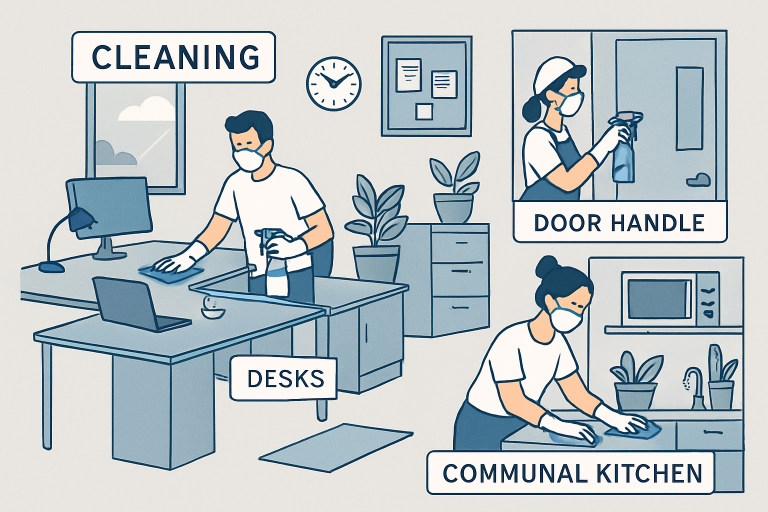
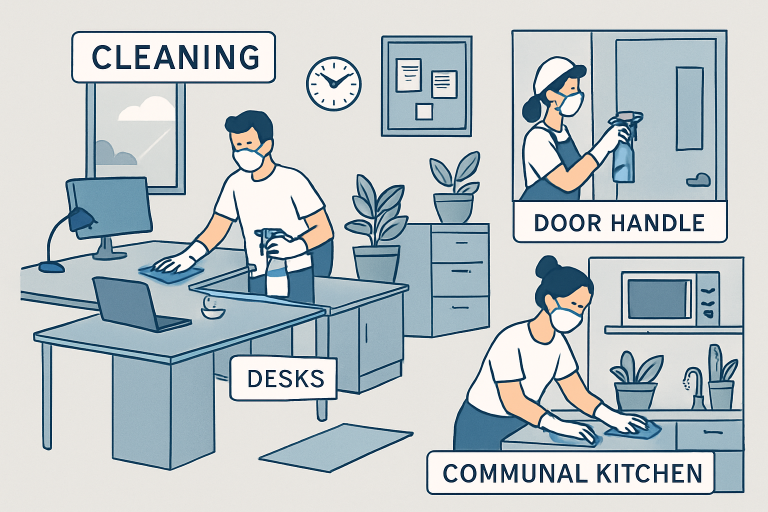
High-touch surfaces such as elevator buttons, office phones, door handles, and reception counters are breeding grounds for germs and must be sanitized with particular attention. Establishing a routine cleaning schedule for these areas is essential to preventing illness outbreaks and providing peace of mind for everyone in the office. Investing in clear signage or checklists can help ensure these critical areas are consistently addressed, promoting a healthier environment throughout shared workspaces. According to the New York Times Guide to Cleaning, frequently disinfecting such surfaces is one of the most effective ways to curb disease transmission in communal settings.
Maintain a Clutter-Free Workspace
Clutter is more than a nuisance; it increases stress and makes cleaning efforts less effective. Encouraging staff to keep desktops tidy and providing storage solutions can reduce both visual and mental distractions. Regularly scheduled decluttering sessions, the use of labeled storage, and the immediate disposal or organization of unnecessary paperwork are practical strategies to support this effort. An organized office also helps cleaning staff perform their duties more efficiently.
Improve Air Quality with Regular Dusting and Ventilation
Creating a wellness-focused office involves paying attention to air quality. Dust accumulation contributes to allergies and respiratory conditions, particularly in settings where HVAC systems recirculate air year-round. Dusting surfaces, regularly replacing filters, and ventilating meeting rooms or shared spaces by opening windows can have a significant positive effect. Adding indoor plants can help to filter toxins naturally, contributing to both air purity and aesthetic appeal. Simple steps like these can improve overall well-being and reduce the number of sick days employees need to take.
Keep Kitchens and Break Rooms Spotless
Kitchens and break rooms see high traffic and are particularly vulnerable to cross-contamination. Cleaning shared kitchen appliances daily, such as microwaves and coffee makers, wiping down counters, and ensuring communal refrigerators are emptied and sanitized each week are critical practices. These actions help eliminate potential foodborne pathogens and foster a more inviting atmosphere for staff to relax and recharge during breaks. Building strong habits around cleanliness in these communal spaces can have a positive ripple effect throughout the office culture.
Ensure Restrooms Are Professionally Cleaned
Restrooms reflect the overall hygiene of your workplace. Professional cleaning services are equipped to carry out deep cleaning of toilets, urinals, sinks, and other fixtures, using appropriate disinfectants and antibacterial solutions. Regularly restocking supplies like soap and paper products, combined with the use of air fresheners and deodorizers, keeps these sensitive areas fresh and sanitary. Meticulously cleaned restrooms directly impact employee health and demonstrate organizational commitment to maintaining a first-rate workplace.
Encourage Personal Responsibility Among Employees
Fostering a culture of personal responsibility is among the most effective ways to achieve consistent workplace cleanliness. Providing accessible hand sanitizers and disinfectant wipes, and regularly reminding people to wash their hands and sanitize their desks, reinforces desired behaviors. Clean desk policies and periodic training sessions further empower employees to contribute to a healthy work environment actively. As Harvard Business Review outlines, cultivating accountability at all levels can drive team engagement and organizational success.
Implement Regular Cleaning Protocols
Establishing a detailed cleaning schedule is crucial for maintaining a consistently sanitary workspace. Assign daily, weekly, and monthly tasks to different teams or staff members to avoid oversight. Daily routines can include surface wiping, trash removal, and disinfection of high-touch areas, while weekly or monthly schedules can target floors, windows, and ventilation systems. Use checklists or digital scheduling tools to manage and track progress, ensuring nothing in the workspace is overlooked.
Invest in Quality Cleaning Supplies
High-quality cleaning products are foundational to adequate workplace sanitation. Prioritizing environmentally friendly, non-toxic cleaners protects both employee health and the environment. Make sure staff and cleaning teams have access to the right tools and are trained in their proper use. Regular maintenance and timely replacement of cleaning equipment, such as vacuums, mops, and filters, ensure continued effectiveness and efficiency. By devoting attention and resources to workplace cleanliness and employee wellness, organizations can build healthier, more productive offices where staff feel valued and empowered to perform at their best.