A home care routine should do more than prevent problems. It should help an older adult feel comfortable, respected, connected, and involved in daily decisions. For many families, the goal is to make familiar surroundings easier to navigate while preserving the routines, relationships, and hobbies that make home feel like home.
Families in Western Montana who are comparing home health care services can look to Angels In Guard, an in-home care provider serving areas including Missoula and Victor. Its personalized approach includes companion care, personal care, respite care, dementia support, and end-of-life support, providing families with a practical example of how care plans can be adjusted to a person’s needs, preferences, safety, and desire to remain at home.
Start With a Simple Daily Needs Review
Before moving furniture, buying equipment, or arranging outside support, take stock of what the older adult needs during a typical week. Include them in the conversation whenever possible. The best plan is built with the person, not simply for them.
- List daily tasks that need assistance, such as bathing, dressing, meals, walking, or transportation.
- Separate occasional needs, such as grocery trips or laundry, from tasks that require regular attention.
- Write down medication routines, appointments, mobility concerns, meal preferences, and hydration reminders.
- Ask which tasks feel frustrating, tiring, or uncomfortable.
- Note personal preferences, including wake-up times, favorite foods, visitors, faith practices, and hobbies.
This review can reveal where a small amount of help may make the biggest difference. For example, someone may manage most of the day independently but benefit from assistance with showering, meal preparation, or getting to appointments.
Check the Home Room by Room
Remaining at home as needs change is often called aging in place. A room-by-room review helps families notice manageable hazards early, without making the home feel clinical or restrictive.
- Entryways: Look for sturdy railings, clear walking paths, adequate lighting, and stable surfaces near steps.
- Hallways and living areas: Remove loose rugs, cords, clutter, and low furniture that blocks a regular path.
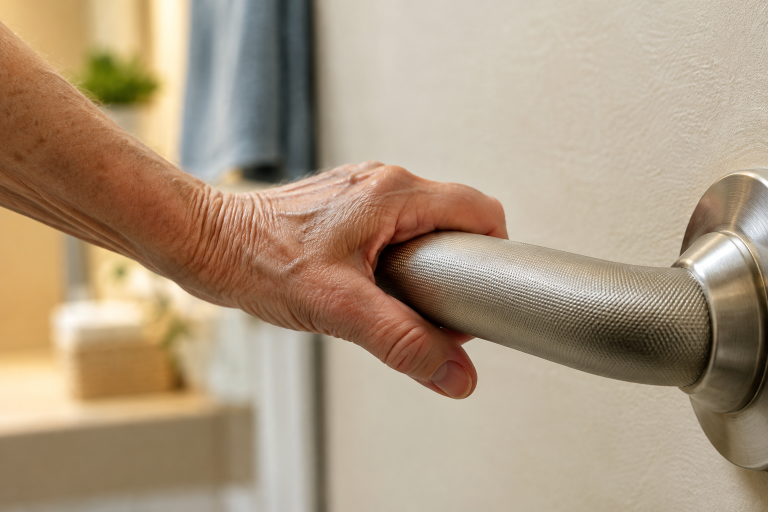
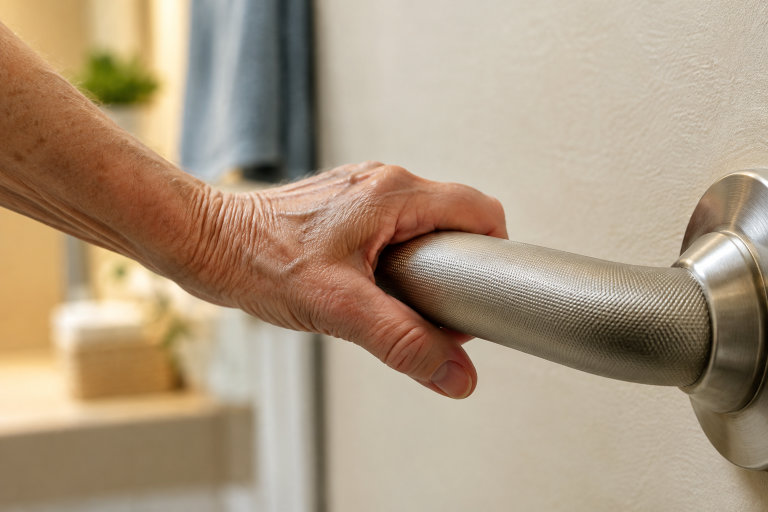
- Bathrooms: Consider grab bars, non-slip surfaces, a shower chair, and lighting that makes nighttime trips easier.
- Bedrooms: Keep a phone, glasses, water, mobility aids, and a lamp within easy reach of the bed.
- Kitchens: Place frequently used dishes and foods within easy reach, and ensure appliances remain straightforward to operate.
Prioritize immediate concerns first, such as poor lighting or an unstable handrail. Revisit the home after a fall, hospitalization, medication change, or noticeable decline in mobility.
Build a Flexible Daily Rhythm
Predictable routines can make daily care less stressful, but a schedule should provide guidance rather than control every minute. Set a consistent wake-up and bedtime range, plan meals and hydration before the day gets busy, and allow extra time for dressing, walking, and transportation. Try scheduling personal care during the time of day when the person usually has the most energy. In the evening, a calm review of tomorrow’s appointments, weather needs, visitors, and medications can reduce last-minute confusion. On difficult days, simplify the plan and focus on essential needs rather than forcing the usual routine.
Make Social Connection Part of Care
Companionship is not an optional extra when someone is spending more time at home. Build regular connection into the week through phone calls, family visits, short walks, scenic drives, religious gatherings, community events, or time with neighbors.
- Match activities to the person’s interests, such as music, gardening, reading, crafts, cooking, or sports.
- Use familiar photos, stories, and favorite songs to start conversations.
- Break a longer outing into shorter sessions if fatigue is a concern.
- Offer choices instead of assuming what the person wants to do.
Choose Support That Fits the Need
There is no single right amount of help. A family may need a few hours of companionship each week, regular personal care visits, or more consistent coverage after a health change. The important step is matching assistance to the actual situation.
- Companion care: Can support conversation, errands, activities, outings, and social engagement.
- Personal care: May help with bathing, dressing, grooming, toileting, and mobility.
- Respite care: Gives family caregivers time to work, rest, attend appointments, and manage other responsibilities.
- Dementia support: Can provide structure, supervision, familiar activities, and communication approaches suited to the individual.
- End-of-life support: Can focus on comfort, dignity, and practical support for the person and family.
Create a Clear Family Communication Plan
Care becomes harder when everyone assumes someone else is handling an important task. Choose one main contact for caregivers and medical offices, then use a shared calendar for appointments, visits, and key reminders. Keep emergency contacts, insurance details, medication lists, and important documents in one known location. Brief notes can also help the family recognize changes over time. Record meaningful changes in appetite, sleep, mood, mobility, confusion, or daily abilities, then share relevant concerns with the person’s medical team. Set a regular time for updates so communication does not happen only during a crisis.
Plan Respite Before Stress Builds
Respite is responsible planning, not a sign that a family caregiver is failing. The CDC notes that respite care gives caregivers time away from caregiving responsibilities, whether help comes from relatives, friends, community programs, or professional support. Ask relatives to commit to specific duties, such as taking a loved one to an appointment, preparing meals on Sundays, or visiting for two hours each week. Caregivers should also protect time for sleep, their own medical care, exercise, friendships, and quiet time. Persistent irritability, isolation, poor sleep, or constant worry can be signs that the plan needs more support.
Use Technology With Consent and Care
Shared calendars, medication reminder systems, video calls, emergency response devices, smart lighting, and motion sensors may help a household stay organized. Still, technology should be discussed openly. Explain what each tool does, who can see the information, and why it is being used. It should support independence and safety, not replace personal contact or remove privacy without consent.
Review the Routine Regularly
Every few weeks, ask whether the plan is still working. Is the person moving safely around the home? Are meals, hydration, personal care, and medications being managed consistently? Do they still have meaningful choices and enjoyable contact with others? Are family caregivers getting enough rest? Update the routine after a fall, hospital visit, new diagnosis, major medication change, or clear change in mood or memory. A flexible plan can respond to new needs without abandoning the routines that matter most.
Common Questions About Home Care Routines
How many hours of home care are needed?
It depends on daily tasks, mobility, health needs, family availability, and the person’s comfort level. Some people need occasional visits, while others need daily or continuous support.
How can families offer help without taking away independence?
Offer choices, ask before stepping in, and encourage the person to complete the parts of a task they can do safely. Support should increase confidence, not unnecessarily take control.
What should happen if needs change quickly?
Contact the person’s medical team, update the care plan, and consider whether a different schedule or added assistance is needed. Acting early can make transitions more manageable.
Make the Routine Safer, Kinder, and Sustainable
A strong home care routine does not need to be complicated. It should make essential tasks safer, preserve personal choice, create room for connection, and give family caregivers a realistic level of support. Small, thoughtful changes can help an older adult remain comfortable at home while giving the whole family a clearer path forward.
Conclusion
A thoughtful home care routine should make daily life safer and more comfortable without taking away an older adult’s independence or personal choices. Families can begin by reviewing everyday needs, addressing household hazards, creating flexible schedules, and making time for meaningful activities and social connections. When additional help is needed, the right combination of companion care, personal care, respite, or specialized support can make the arrangement more manageable. Regular communication and care plan reviews also help families respond as circumstances change. For families in Western Montana, Angels In Guard offers several in-home support options that can be discussed based on an individual’s needs and preferences. With practical preparation and consistent attention, families can create a home environment that supports dignity, connection, and well-being while making caregiving more sustainable.