Small pool issues are easier to manage when they are caught early. A change in water clarity, a new pump noise, or a slow drop in water level can indicate a problem that may become more expensive if ignored. For homeowners seeking practical pool and spa maintenance, Laguna Pools provides troubleshooting, equipment repair and replacement, automation support, and energy-efficient upgrade services throughout the greater Denver metro area, including Denver and Aurora. Early inspection is vital for spotting issues with pumps, heaters, plumbing, covers, and controls before the swimming season. Good pool care involves more than removing leaves; maintaining safe chemistry and reliable circulation, and keeping equipment working, is crucial. Regular routines year-round help protect swimmers, reduce wear, and simplify troubleshooting for professionals.
Why Early Detection Matters
A pool is a connected system. When circulation weakens, debris and contaminants may remain in the water longer. When chemistry drifts, swimmers may experience discomfort, and equipment can face unnecessary corrosion or scale buildup. A minor leak can also waste water and place stress on nearby plumbing or structures. Keep a simple record of readings, service dates, repairs, and unusual sounds. For example, a pump that begins with a light rattle may still move water, but the sound warrants investigation before it becomes a full equipment failure.
Pool Warning Signs To Watch Each Week
A quick weekend walk-around can reveal problems before they become emergencies. Look for these warning signs:
- Water loss: A steady decline may be normal evaporation, but it can also indicate a plumbing, fitting, or structural leak.
- Cloudy or dull water: This can result from poor circulation, a dirty filter, or chemical imbalances.
- Weak return flow: Reduced movement at the return jets may indicate a full basket, a clogged filter, a blocked line, or a pump concern.
- New noises: Grinding, buzzing, repeated clicking, and strong vibration deserve attention.
- Wet ground near equipment: Damp soil, puddles, or dripping fittings can signal a leak.
- Strong chemical odor: A harsh smell does not necessarily mean the water is clean. It can indicate that water chemistry needs correction.
- Surface damage: Note cracks, loose tile, stains, peeling finishes, or deteriorating seals before they spread.
How To Check Pool Water
Water testing should be a regular habit, especially during hot weather or heavy pool use. The recommended chlorine and pH practices for home pools emphasize routine checks, with a pH range of 7.0 to 7.8 and testing at least twice daily during heavy use. Balanced water helps chlorine work effectively while supporting swimmer comfort and the life of pipes and equipment.
- Collect a sample away from return jets, skimmers, and chemical feeders.
- Use a fresh test kit or follow the strip manufacturer’s instructions exactly.
- Record chlorine, pH, and any other readings in a log.
- Make one chemical adjustment at a time rather than guessing with several products.
- Allow the water to circulate, then test again before adding more chemicals.
- Keep swimmers out of the water if the water looks unsafe or readings are far outside the intended range.
A Simple Equipment Check
Pool Pump And Filter
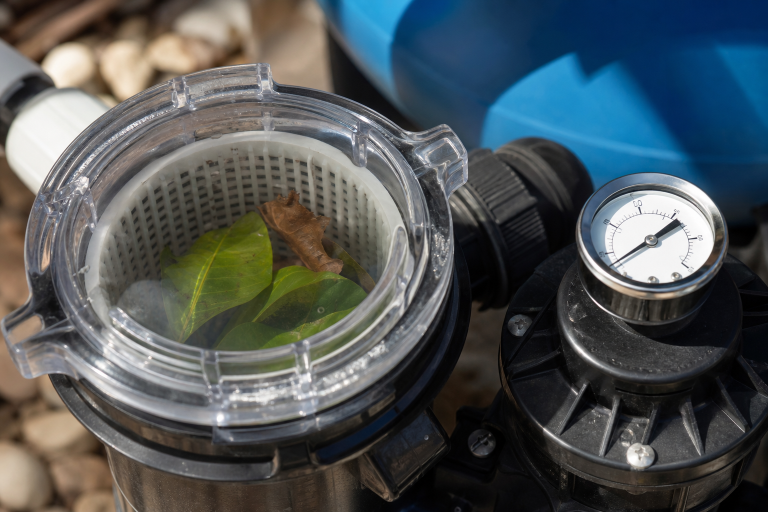
Check the pump housing, lid, and visible connections for drips. Empty the pump basket before debris restricts flow, and watch for air bubbles returning to the pool, which can suggest a suction-side air leak. Monitor the filter pressure gauge and learn the normal operating range for your system. Clean or backwash the filter according to its manufacturer’s instructions, but do not repeatedly reset a high-pressure problem without finding the cause.
Heater, Controls, And Energy Use
Confirm that the heater reaches the selected temperature and that timers or automation schedules match the season. Take a photo of error codes rather than repeatedly restarting equipment. Clean filters, appropriate run times, correct settings, and properly sized equipment can all affect operating costs. Homeowners considering a replacement can review federal efficiency standards for dedicated-purpose pool pump motors when comparing equipment options. Leave internal heater work, gas connections, electrical repairs, and sealed control-panel repairs to qualified technicians.
Seasonal Pool Care For Denver-Area Homes
Spring And Summer
In spring, remove winter debris, inspect the cover and visible plumbing, clean baskets, and test the water before regular swimming begins. During summer, test more often, promptly clear leaves and insects, and watch for evaporation during hot, dry periods. Sudden storms can introduce debris and alter the water balance, so inspect the pool after severe weather.
Fall And Winter
In the fall, remove leaves before they sink and stain surfaces, then inspect the cover before storage or installation. As temperatures fall, adjust run times and prepare equipment for cold weather according to the manufacturer’s instructions. Protect exposed plumbing from freezing conditions. Never restart equipment that appears frozen until it has been inspected.
When To Try A DIY Fix And When To Call For Help
Homeowners can often empty baskets, remove surface debris, test water, inspect visible lids and hoses, and clean a filter when the manufacturer allows it. Call for professional help when water loss persists, a breaker trips repeatedly, plumbing may be leaking underground, an equipment housing is cracked, a gas heater fails, or automation controls stop communicating. These problems can involve pressurized lines, electricity, gas, or specialized diagnostics.
Building A Practical Maintenance Plan
- Daily or before use: Check water clarity, surface debris, water level, and obvious safety concerns.
- Several times per week: test the water, empty the baskets, check the return flow, and listen to the pump.
- Monthly: Inspect covers, fittings, filter pressure, tile, seals, and equipment settings.
- Seasonally: Review run times, prepare for storms or freezing weather, and schedule needed repairs.
Record unusual changes instead of relying on memory. Photos of stains, leaks, damaged parts, and error codes can make diagnosis easier. Keep manuals together, label shutoff valves and switches, and arrange non-urgent repairs before the busiest swimming weeks whenever possible.
Conclusion
Reliable pool care is built on small, regular checks. Clear water matters, but so do circulation, safe chemistry, equipment condition, and timely repairs. By paying attention to early changes, homeowners can protect their pool, avoid surprises, and enjoy a more dependable 2026 swimming season.