There’s something undeniably satisfying about biting into a juicy, flavorful burger. While dining out offers convenience, mastering the art of burger-making at home can elevate your culinary skills and provide a personalized touch to this classic dish. For those who want to experience top-quality burgers before perfecting their own recipes, a visit to Fresh Burgers in Mississauga Airport can be a tasty source of inspiration.
Home-cooked burgers not only let you control every ingredient but also encourage experimentation with flavors and toppings to match your preferences. Whether you’re aiming for a classic cheeseburger or a gourmet creation, honing your burger-making process can lead to impressive results that rival your favorite local spots.
Choosing the Right Meat
The first ingredient in a standout burger is high-quality meat. For a juicy, flavorful patty, select ground beef with about 20 percent fat. Fat contributes to tenderness and moisture, making every bite delicious. Many chefs and food writers recommend a blend of chuck and brisket, which creates a balance between rich flavor and satisfying texture. Avoid ultra-lean options, as they tend to dry out when cooked.
If you’re feeling adventurous, consider mixing in short rib or sirloin, both of which add robust beefiness. Always ask your butcher for a special blend, and grind it fresh when possible. For more on selecting the best ground beef, check resources like Bon Appétit’s burger guide.
Seasoning and Mixing
When it comes to seasoning, restraint is key. Classic burgers shine with simple seasonings, letting the meat speak for itself. Generously sprinkle kosher salt and freshly ground black pepper onto the meat just before cooking. While extras like garlic powder, onion powder, or smoked paprika can be added, keep it to a minimum to avoid overpowering the beefy flavor. Most importantly, mix the meat as little as possible. Overmixing can make patties dense and chewy rather than light and tender.
Forming the Patty
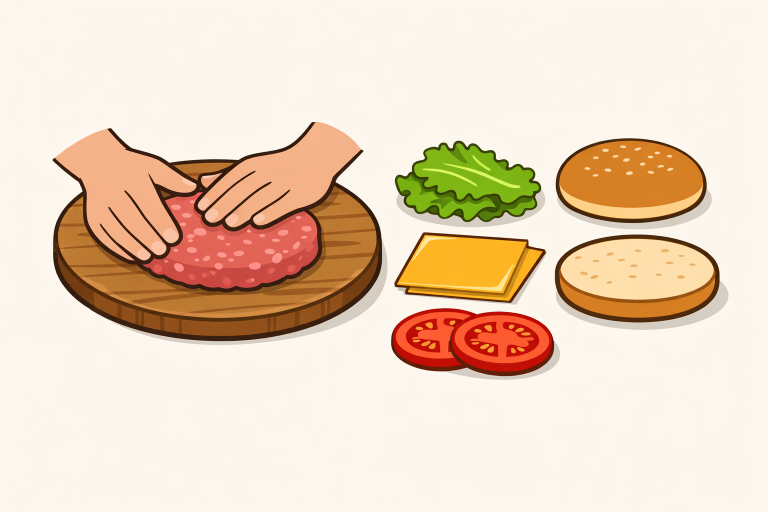
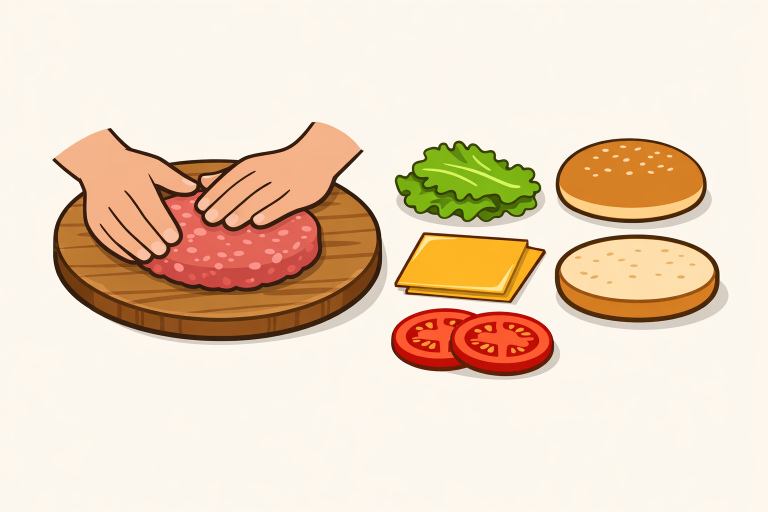
Divide the seasoned meat into equal portions, ideally four to six ounces each. Gently shape them into patties that are about three-quarters of an inch thick. Avoid packing the patties too tightly, as this can also result in a tough final product. To ensure even cooking and to prevent the burger from puffing up in the center, press a small indentation or dimple in the middle of each patty with your thumb or the back of a spoon.
This step might seem small, but it helps maintain a flat surface that’s perfect for layering on toppings and cheese later.
Cooking Techniques
Two popular methods dominate the world of homemade burgers: grilling and pan-searing. Both create burgers with unique qualities and craveable flavors.
Grilling
Begin by preheating your grill to medium-high. Clean and oil the grates to prevent sticking. Place patties over direct heat and cook each side for three to four minutes for medium-rare. Resist the urge to press down on the patties with your spatula. This causes precious juices to escape, leading to dryness.
Pan-Searing
Use a cast-iron pan heated over medium-high. Add a little oil, then sear the patties for 3 to 4 minutes per side. Pan-searing creates a delicious crust thanks to the Maillard reaction. To check for doneness, use a meat thermometer. The USDA recommends cooking ground beef to an internal temperature of 160 degrees Fahrenheit for food safety (Serious Eats offers more safety tips and burger techniques).
Selecting the Bun
An ideal burger bun is sturdy enough to hold juicy ingredients yet soft enough to bite through comfortably. Brioche and potato buns are top choices for many burger enthusiasts because of their tender crumb and slight sweetness. Lightly toasting the buns adds texture and prevents sogginess as burger juices soak in.
Experiment with artisanal rolls, whole-wheat buns, or sesame-seed varieties. The right bun can turn a good burger into an unforgettable meal.
Toppings and Condiments
Classic burger toppings are generally crowd-pleasers: crisp lettuce, ripe tomato, sweet or spicy onions, and crunchy pickles. For cheese, classic cheddar melts beautifully, while blue cheese brings tangy intensity. Consider Swiss, provolone, or pepper jack for different flavor profiles.
Condiments like ketchup, mustard, and mayonnaise never go out of style. However, don’t hesitate to experiment with aiolis, sriracha, barbecue sauce, or even guacamole. The best part of home burger-making is tailoring topping combinations to your taste.
Serving and Pairing
Burgers are best enjoyed hot, straight off the grill or pan. Serve them immediately for the juiciest, most flavorful experience. Classic sides include crispy French fries, tangy coleslaw, kettle-cooked chips, or a fresh garden salad for balance. For drinks, craft beers, chilled sodas, or homemade lemonades complement the rich flavors of a burger feast.
If you are serving a group, consider setting up a burger bar where guests can customize their burgers with an array of toppings and sauces.
Common Mistakes to Avoid
- Overworking the Meat: Gently handle the meat to maintain tenderness and avoid dense patties.
- Pressing the Patty While Cooking:Pressing expels juices, resulting in a dry burger.
- Skipping Rest Time: Allow the burger to rest for a minute or two after coming off the heat, so the juices redistribute rather than spilling out at the first bite.
With a mindful approach to each step, you can create burgers that are juicy, flavorful, and entirely your own. Practice regularly, experiment with new ingredients, and enjoy sharing this beloved comfort food with family and friends.