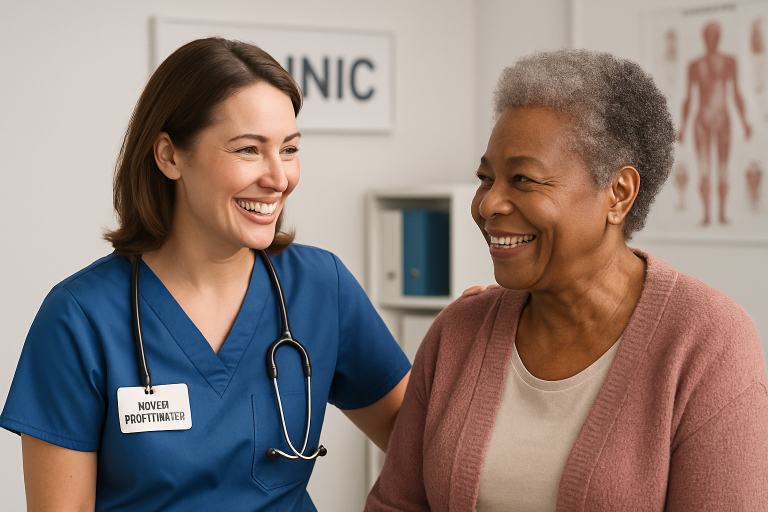
As healthcare continues to evolve, nurse practitioners (NPs) are redefining what it means to deliver patient-centered care. Their advanced clinical knowledge, combined with their commitment to treating the whole person, makes NPs vital to enhancing the accessibility and effectiveness of modern healthcare. From rural clinics to bustling urban centers, NPs are breaking down barriers and paving the way for innovative treatment models. To become part of this transformative movement, many professionals are turning to advanced training through programs like the FNP programs online.
Unlike traditional models that often focus solely on illness, nurse practitioners emphasize prevention, mental wellness, and social determinants of health. By prioritizing the patient’s individual needs and life context, NPs ensure that care is not only comprehensive but also deeply personal. Their approach is pivotal as communities face physician shortages, rising healthcare costs, and increasingly complex patient needs.
As key leaders in healthcare innovation, NPs bridge care gaps through their holistic, adaptable practice. They bring a unique blend of expertise and empathy, enabling better health outcomes and higher patient satisfaction. Their influence expands as healthcare systems seek sustainable, patient-first solutions in the years ahead.
According to the American Association of Nurse Practitioners, NPs conducted over one billion patient visits in recent years, underscoring their growing role in our healthcare system. Their reach and versatility signal a significant shift in how care is delivered across the country.
Expanding Access to Primary Care
The need for accessible primary care has never been more urgent. Nationwide shortages of primary care physicians leave millions without consistent medical support, especially in rural and underserved areas. NPs are bridging this gap by serving as frontline providers. They can diagnose, manage acute and chronic conditions, perform routine checkups, and prescribe medication, offering a full scope of primary care services.
Their ability to work autonomously in many states ensures that more patients receive timely interventions and ongoing health management. This approach not only eases the burden on overextended physicians but also increases patients’ trust and engagement with their healthcare providers.
Integrating Mental Health Services
Nurse practitioners recognize that mental health is integral to overall well-being. By integrating mental health screenings and treatments into their regular practice, NPs provide comprehensive care that attends to both mind and body. Early identification of issues such as anxiety, depression, or substance use disorder can significantly impact outcomes.
NPs are specifically trained to detect subtle behavioral changes and facilitate open conversations about emotional well-being, ensuring patients feel heard and supported. This holistic model shortens the distance between mental and physical health, enhancing the long-term prospects of those they serve.
Embracing Telehealth and Virtual Care
Telehealth solutions are revolutionizing access to medical consultations and follow-ups. NPs are quick to adopt digital platforms to conduct video visits, phone consultations, and remote patient monitoring. This transformation helps patients in geographically isolated locations, those with mobility concerns, or anyone needing flexible care hours.
Virtual care not only expands the reach of high-quality care but also fosters ongoing patient-provider relationships. For many patients, telehealth is a lifeline that overcomes traditional barriers such as transportation, time constraints, or disabling conditions. According to the National Institutes of Health, telehealth interventions have been shown to improve healthcare outcomes and patient satisfaction, particularly during the COVID-19 pandemic.
Leading in Elder Care
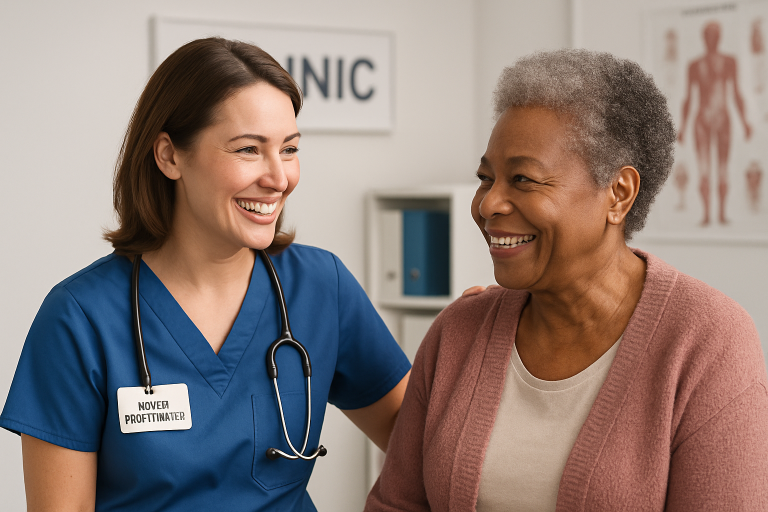
With an aging population, demand for compassionate and expert geriatric care is soaring. Nurse practitioners are uniquely skilled to assess and manage complex conditions that often affect older adults, such as multiple chronic illnesses, cognitive decline, and mobility challenges. NPs focus on personalized treatment plans that address both the medical and social needs of elders.
By advocating for independence, comfort, and dignity, nurse practitioners help seniors maintain the best possible quality of life. Family members also benefit from NPs’ involvement, gaining valuable education and support as they navigate a loved one’s care journey.
Advancing Personalized Medicine
Personalized medicine is transforming the way care is delivered, and nurse practitioners are key drivers of this shift. They increasingly use genetic, lifestyle, and environmental factors to tailor prevention strategies and treatments to each individual. This results in interventions with fewer side effects, improved efficacy, and greater patient satisfaction.
NPs’ strong patient relationships enable them to understand nuanced health histories and preferences, making them well-positioned to leverage the latest advances in precision health.
Establishing Community-Based Practices
Many nurse practitioners are opening clinics rooted in the communities they serve. These practice settings allow them to respond quickly to local health priorities, collaborate with other providers, and advocate for community wellness. By focusing on prevention and education, NPs positively influence public health and foster trust among diverse populations.
These community-focused clinics are often built on relationships, cultural sensitivity, and a deep commitment to local well-being, and they play a crucial role in reducing disparities in healthcare delivery.
Contributing to Healthcare Policy and Research
Beyond direct care, nurse practitioners are increasingly shaping healthcare through research and policy advocacy. Their unique patient-first perspective drives more inclusive, responsive policy changes. NPs contribute to studies that guide evidence-based practice and ensure patient needs stay at the center of healthcare reform discussions.
Their voices in legislative arenas and on research teams help advance solutions that make healthcare more effective, affordable, and adaptable for everyone.
Conclusion
Nurse practitioners are essential to the ongoing transformation of patient-centered care. Through leadership, clinical excellence, and advocacy, they are helping to ensure that health systems remain compassionate, equitable, and effective for patients everywhere. As their influence grows, NPs will continue to inspire and implement the changes needed to make healthcare a more responsive, patient-focused endeavor.