Taking care of your spine is vital not only for comfort but also for your overall health and mobility. Small, intentional habits can go a long way toward preventing back pain and keeping your spine functioning at its best. By making a few lifestyle changes, you can safeguard your spinal health and enjoy greater flexibility and less discomfort every day. If you are looking to learn more or get professional help, a top chiropractor of Fort Lauderdale, FL can offer specific guidance tailored to your needs.
Your spine supports every movement you make, provides structure, and protects your central nervous system. Embracing natural techniques for spinal care helps reduce the risk of injury and chronic conditions, ensuring you maintain an active, pain-free lifestyle. Whether you are managing mild discomfort or preventing future problems, a proactive approach is always worthwhile.
Practice Good Posture
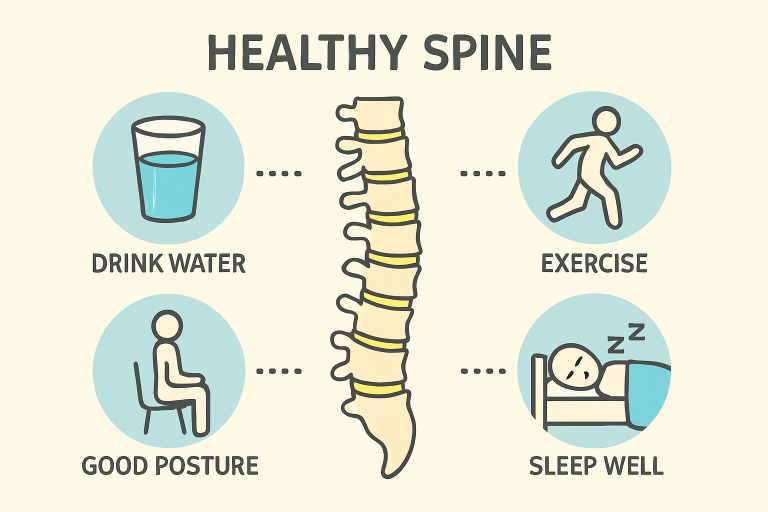
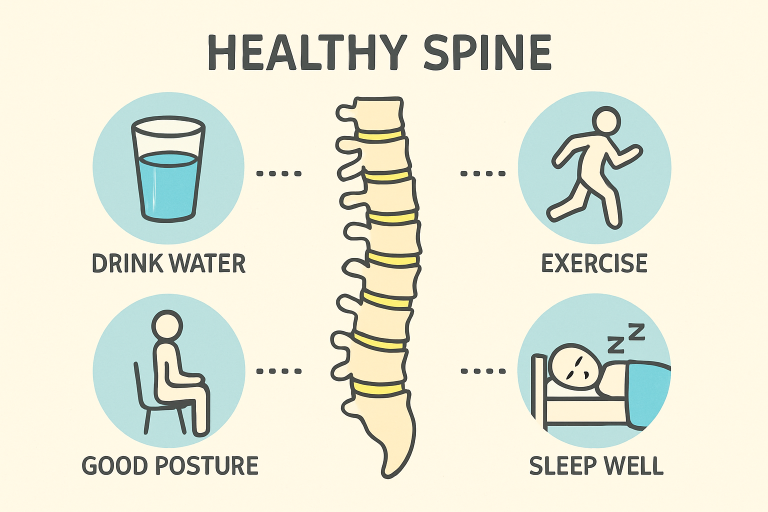
Posture is a key element of spinal wellness. When you sit or stand, keeping your chin parallel to the floor, shoulders relaxed, and spine straight reduces unnecessary strain on the muscles and supporting ligaments. Poor posture, such as slouching at your desk or hunching over a mobile device, can cause spinal imbalances that may lead to pain, stiffness, and even long-term disorders like kyphosis and scoliosis. Paying attention to your posture throughout the day not only protects your spine but also helps you breathe better, facilitates healthy circulation, and minimizes fatigue.
Engage in Regular Exercise
Exercise is necessary for keeping the spine strong and flexible. Activities such as walking, swimming, or cycling provide a low-impact way to move your body while strengthening the muscles that support your back. Core exercises, which target the abdominal and lower back muscles, are particularly beneficial as they help stabilize the spine and prevent injuries. Adding regular physical activity to your routine also boosts overall health and mood, further reducing the likelihood of back issues.
Incorporate Yoga into Your Routine
Yoga combines gentle movements, stretching, and breathing exercises to build spinal strength and flexibility. It not only relieves tight muscles but also increases your awareness of how you move during daily activities. Beginner-friendly classes, especially those designed for chronic back pain, emphasize slow, mindful stretches and modifications to keep your body safe while improving mobility. A consistent yoga routine is shown to help manage pain and promote relaxation over time.
Stay Hydrated
Your spinal discs act as shock absorbers between vertebrae, and staying hydrated is critical to their function. The discs’ interiors are mostly water, which keeps them soft and effective at cushioning spinal movements. If your body is dehydrated, these discs can lose their flexibility, become more prone to injury, and cause discomfort in your back or neck. Make it a goal to drink enough water throughout the day to support spinal and overall health.
Maintain a Healthy Weight
Carrying additional weight places significant pressure on your spine. This added strain can lead to changes in spinal curvature, increased wear and tear on discs, and a higher risk of back pain or conditions such as herniated discs. Eating a balanced diet full of fruits, vegetables, and lean proteins, while engaging in regular physical activity, can help you maintain a weight that supports your spinal health.
Practice Safe Lifting Techniques
Lifting objects using an incorrect technique is one of the most frequent causes of spinal injuries. To avoid unnecessary strain, bend your knees, keep your back straight, and use your leg muscles rather than your back. Hold objects close to your body and avoid twisting while lifting. These habits significantly reduce the risk of both sudden injuries and gradual spinal wear.
Ensure Adequate Sleep
Sleeping well gives your body time to repair tissues, including those in your back and neck. Maintaining a consistent sleep schedule, selecting a supportive mattress and pillow, and adopting a posture-friendly sleeping position can improve both the duration and quality of your sleep. People who prioritize restful sleep often experience less pain and greater mobility during the day.
Manage Stress
Chronic stress triggers muscle tension throughout the body, often causing pain or worsening existing back problems. Techniques such as meditation, deep breathing exercises, spending time outdoors, and engaging in hobbies have been shown to lower stress levels. Lowering your stress helps prevent painful muscle knots and supports better spinal wellness.
By following these natural strategies, you actively support your spinal health, reduce discomfort, and promote a lifestyle that keeps you moving comfortably. Adopting these daily habits benefits not only your back but also your entire well-being for years to come.