Hearing is one of those things many people take for granted until something starts to feel off. By the time ringing, muffled sounds, or constant strain become noticeable, damage may already be happening. The tricky part is that hearing loss often develops slowly, so it’s easy to ignore the early signs or brush them off as temporary. Taking hearing seriously earlier in life can make a real difference in how well you hear and communicate later on.
Making hearing health part of your regular wellness routine doesn’t have to be complicated. Small, consistent choices can go a long way toward protecting something you rely on every single day.
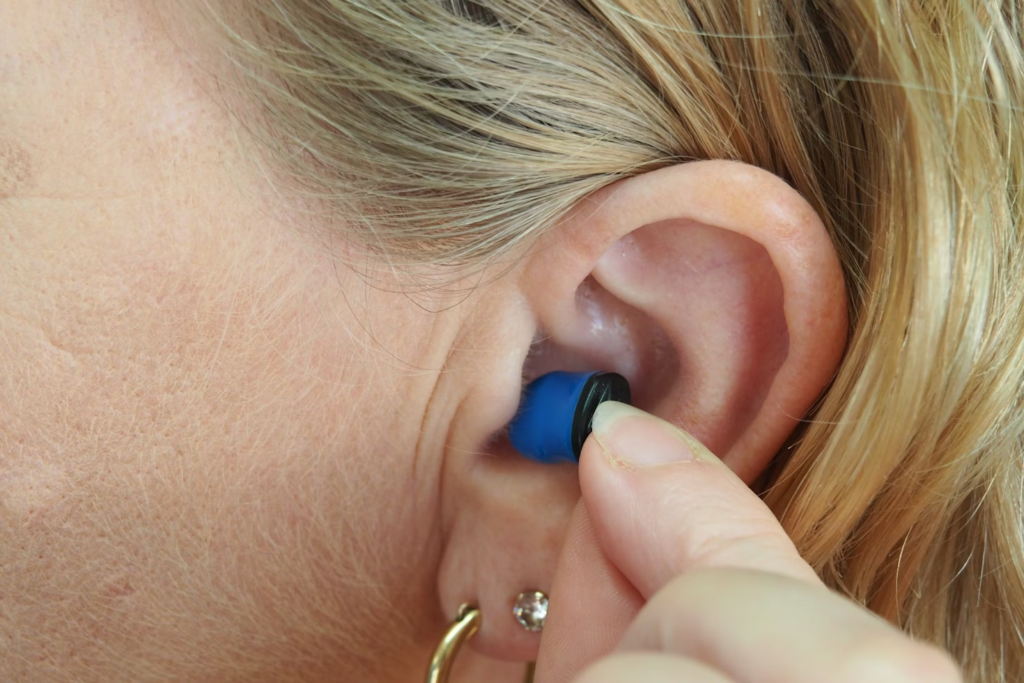
Source: Unsplash (CC0)
Hearing damage happens more quietly than people expect
One of the biggest misconceptions about hearing loss is that it only affects people who work in loud environments or attend lots of concerts. In reality, everyday noise adds up over time. Traffic, headphones, power tools, and even household appliances can slowly wear down your hearing without you noticing right away.
Because the change is gradual, many people adapt without realising it. They turn the volume up, ask others to repeat themselves, or feel more tired after conversations. These small adjustments are often early warning signs that your hearing needs attention.
Prevention is easier than trying to fix the problem later
Once hearing damage happens, it usually can’t be reversed. That’s why hearing protection matters so much, even if your ears feel fine right now. Simple steps like lowering headphone volume, taking listening breaks, and using ear protection in noisy environments can help preserve your hearing long term.
Prevention doesn’t mean avoiding sound completely. It means being mindful of exposure and giving your ears time to recover. These habits are much easier to maintain than dealing with permanent hearing changes later in life.
Regular checkups help catch issues early
Just like eye exams or dental visits, hearing testing is an important part of preventative care. Many people wait until they notice a problem, but early testing can identify subtle changes before they start affecting daily life. Catching issues early gives you more options and better outcomes.
Hearing tests are quick, painless, and informative. They provide a clear baseline, making it easier to track changes over time. Knowing where you stand helps you make informed decisions about your hearing health.
Support tools are about quality of life, not weakness
Some people delay getting help because they associate hearing support with ageing or loss of independence. In reality, wearing hearing aids is about staying connected and engaged. Modern devices are discreet, advanced, and designed to fit naturally into daily life.
Hearing support tools help reduce listening fatigue, improve communication, and make social situations more enjoyable. Choosing to use them is a proactive step toward maintaining confidence and connection, not a sign of giving something up.
Protecting your hearing isn’t something to put off for later. The choices you make now shape how well you’ll hear conversations, music, and everyday sounds in the years ahead. Treating hearing health as a priority helps you stay present, connected, and comfortable in the moments that matter most.