Pets can experience stress just like people, but their signs often appear so small that they go unnoticed. It may look like a harmless yawn or a short moment of pacing, yet these actions can point to more than simple habit. Understanding how animals show stress helps owners recognize problems early and take steps to protect their health before minor issues grow worse.
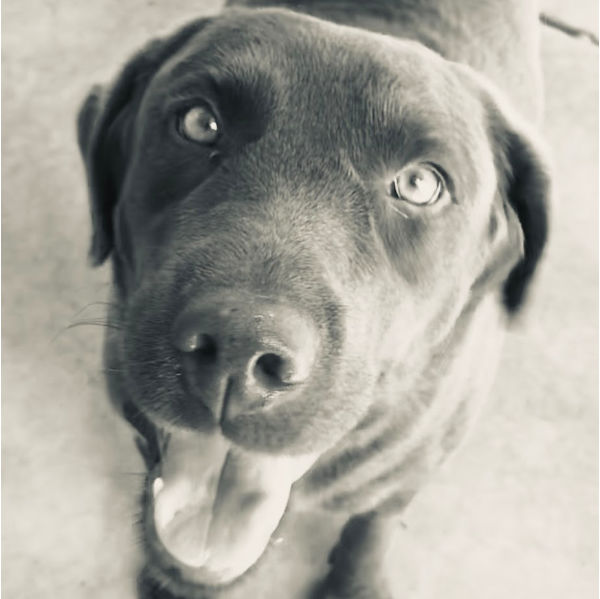
Stress can affect any pet regardless of age or breed. It can change mood, behavior, and even appetite. By learning the subtle signs and knowing how to respond, owners can create a calmer home and strengthen their bond with their animals. This article explores these small but meaningful signals and explains how each one reveals what a pet may truly feel.
- Excessive yawning unrelated to tiredness
A pet that yawns repeatedly but shows no signs of sleepiness may feel uneasy or anxious. This type of yawning often happens during stressful moments, such as vet visits or loud household noise. It acts as a natural way for the animal to release tension.
In cats, frequent yawning can suggest rising stress levels. Owners can use calm, quiet environments or comfort aids like the FurLife pheromone collar for cats, pheromone diffusers or sprays to encourage relaxation. The collar can help the cat feel more secure and reduce tension-related behaviors.
- Lip licking when not eating
Some dogs lick their lips even though food is not nearby. This small action may appear harmless, yet it often signals discomfort or unease. The dog might feel anxious, uncertain, or tense in its environment.
Veterinarians note that lip licking can also relate to nausea or mild pain. Therefore, observing the situation helps identify the cause. For example, a dog may do it during loud noises, unfamiliar encounters, or while being scolded.
Owners should note the frequency and context of the behavior. Consistent episodes may indicate stress that needs attention or a checkup with a veterinary professional.
- Pacing or restlessness
A pet that moves around often without purpose may feel uneasy or tense. It may walk in circles, wander through rooms, or seem unable to settle in one spot. These movements often appear before or after a stressful event such as a loud noise or change in the home routine.
This behavior can signal emotional discomfort or anxiety. Some pets pace before being left alone, while others do it during storms or visits to the vet. Owners should watch for patterns and try to remove possible stress triggers to help their pet feel calm again.
- Panting without physical exertion
A dog that pants despite resting or being in a cool environment might show signs of stress or discomfort. Panting helps control body temperature, but it can also appear as an emotional response.
Anxiety, fear, or changes in routine may cause a pet to breathe faster. In some cases, pain or illness such as heart or lung issues also trigger this behavior.
Owners should note how often it occurs and what might cause it. If panting grows frequent or intense, a veterinary check can help rule out medical concerns.
- Avoiding eye contact or looking away
A pet that avoids eye contact may feel uneasy or unsure. In many animals, direct eye contact signals threat or challenge, so turning away helps prevent conflict. This behavior can show submission or discomfort rather than disobedience.
Some pets look away when they feel anxious or pressured. A dog, for example, may turn its head or glance aside to calm itself or show it means no harm. Similar actions in cats or other animals often reflect stress rather than defiance.
Owners should notice changes in this behavior. Frequent avoidance might suggest anxiety, fear, or physical pain.
- Trembling or Shaking
A pet that trembles or shakes may feel uneasy, frightened, or cold. This response can appear after loud noises, a stressful event, or a sudden change in their environment. It often reflects emotional or physical discomfort.
Short bursts of trembling may not signal a serious problem. However, frequent or long-lasting shaking may point to pain, illness, or anxiety. The cause can vary from muscle tension to fear-related reactions.
A veterinarian can help identify the reason. After a checkup, the pet may need rest, a calm space, or a specific treatment plan to reduce stress and discomfort.
- Chewing objects destructively
A dog that chews furniture, shoes, or wires may feel anxious or bored. Chewing helps reduce tension, but destructive chewing often points to stress or a lack of mental activity.
Puppies may chew due to teething or curiosity, while adults may do it out of frustration or separation anxiety. The behavior can worsen if not addressed right away.
Owners can manage this by offering safe chew toys, keeping tempting items out of reach, and spending more time on play or training. If the problem continues, a vet or trainer can help identify deeper causes.
- Whining or Unusual Vocalizations
A pet that whines, whimpers, or makes new sounds might face discomfort or stress. These noises often act as a signal of physical pain, fear, or anxiety. A dog, for example, may whine if something feels off internally or if it feels uneasy.
Sudden changes in tone, pitch, or frequency often reveal emotional strain. Increased whining without a clear cause can point to illness or injury. Therefore, a veterinary visit helps rule out medical problems.
Some pets also vocalize to gain attention or express loneliness. Understanding context, body posture, and environment allows owners to identify genuine stress from normal communication.
- Licking or biting paws repeatedly
A pet that licks or bites its paws often may feel discomfort or stress. This behavior can appear harmless at first, yet it can point to skin irritation, allergies, or even anxiety.
Some pets do this to cope with boredom or nervous tension. However, repeated contact with saliva can cause redness, sores, or infections over time.
If the behavior increases or the paws look sore, a vet should check for allergies, parasites, or pain. Proper treatment can reduce irritation and help the pet feel calmer and more comfortable.
- Loss of appetite or sudden changes in eating habits
A pet that stops eating or suddenly eats much less may feel stressed or unwell. Changes in environment, such as moving to a new home or adding another pet, can create anxiety that affects appetite.
A reduced desire to eat can also relate to emotional distress or medical issues. Therefore, owners should watch for other signs like low energy, hiding, or digestive trouble.
If a pet refuses food for more than a day or two, a veterinarian should check for underlying problems. Early attention helps prevent bigger health concerns later.
Conclusion
Recognizing stress in pets helps prevent more serious health or behavior issues later. Small signals such as reduced appetite or unusual hiding can indicate discomfort that needs attention. Careful observation helps identify these signs early.
Owners should create stable routines and calm environments, as consistency often helps pets feel secure. If stress behaviors continue, professional guidance may be necessary to rule out medical causes.
Simple actions like more playtime, gentle interaction, or quiet spaces can support recovery. Each pet reacts differently, so what comforts one animal may not work for another.
By noticing and addressing stress promptly, owners help their pets maintain better physical and emotional health. A calm and attentive approach leads to stronger bonds and a more peaceful home for everyone.