You’re not the only one who has ever wondered how to deal with wearing hearing aids. It can be very hard to accept hearing loss and get used to new technology. But what if your home could help you make that change easier, more comfortable, and even give you more power? Thanks to better smart homes and hearing care, this isn’t just a dream. It’s a reality that is changing quickly.
Smart home technology today does a lot more than just make life easier or look cool. It’s changing the way we live, work, and connect, especially for people who are deaf or hard of hearing. A smarter home can make your life safer, easier to get around, and more confident. It can help you not only accept your hearing aids but also thrive with them.
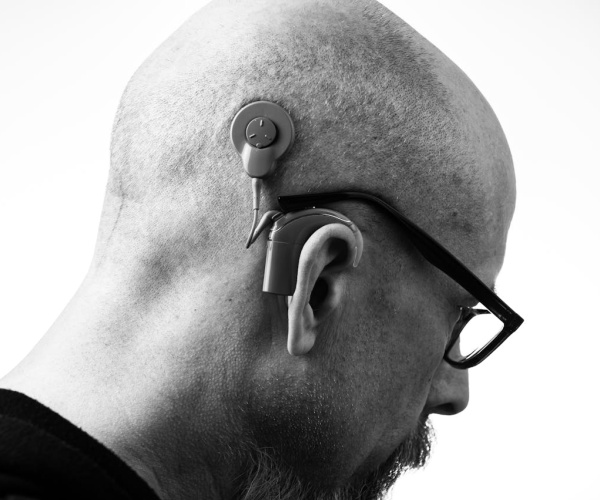
Photo by Brett Sayles:
The Emotional Journey: Accepting Hearing Aids
For a lot of people, hearing loss happens slowly, so it’s easy to ignore or get used to sounds that are missing. But after a while, it’s hard to follow conversations, music doesn’t sound as good, or alarms don’t go off. When the choice is finally made to try hearing aids, people may feel both relieved that they will be able to hear better and anxious, embarrassed, or worried about how they will look or feel “different.”
It takes time to learn how to deal with wearing hearing aids. It’s not just about getting used to having a device in your ear; it’s also about regaining your confidence in social situations, feeling safe at home, and staying connected to the world. This is where smart homes and hearing care come together in a great way.
What Is a Smart Home?
Connected devices like lights, alarms, speakers, and appliances can talk to each other and be controlled by your phone, voice, or even automatically in a smart home. You can ask your digital assistant to turn down the lights, get reminders on your smartwatch, or see who’s at the door from your phone.
These smart features can change the lives of people who wear hearing aids. They change a regular living space into a smart, responsive space that actively helps your hearing and your independence.
How Smart Homes Help with Hearing Care
1. Alerts that you can see and feel
People with hearing loss are most worried about missing important sounds, like the sound of a doorbell, a smoke alarm, an oven timer, or a baby’s cry. Smart homes get around this problem by changing sounds into visual or vibrating alerts. When the doorbell rings, smart bulbs can flash. If a smoke alarm goes off, your smartwatch can buzz. Your phone can even show a pop-up for visitors or timers. This means more safety, less stress, and more freedom to move around your house with confidence, even when your hearing aids are off.
2. Works perfectly with hearing aids
Bluetooth is a common feature of modern hearing aids. This lets them connect to smart TVs, phones, and speakers. This integration goes even further in a smart home. You can stream music, phone calls, or TV audio directly to your hearing aids at the volume that works best for you. Family members can listen at their own levels of comfort. Voice assistants like Alexa, Google Home, and Siri can read out news headlines, reminders, or messages to you, either out loud or directly to your hearing aids.
3. Personalized listening spaces
You can change the soundscape of your home with smart speakers and sound systems. Want to calm down and focus? Put on some soft music or white noise in the background. Do you have friends over? Set up audio in multiple rooms so you can talk clearly. Some hearing aids can even “learn” what you like and change automatically depending on the situation. For example, they might be quieter at night, brighter during group chats, or more focused during phone calls.
4. Support and fine-tuning from a distance
You don’t have to keep going to the audiologist for adjustments anymore. You can now connect many hearing aids to smartphone apps, which lets you change settings, check battery levels, or fix problems from the comfort of your own home. You can use voice commands or set these features up to work with your daily life in a smart home (like getting a low-battery alert on your smart watch).
5. More security and freedom
Smart security systems come with things like video doorbells, motion sensors, and locks that open and close on their own. These systems can send visual or touch alerts if you have hearing loss, which will make you feel better. You can set automated lights and thermostats to turn on or off based on a schedule or motion. This makes it less likely that you’ll have to strain to hear cues or reminders.
The Psychological Benefits: Acceptance and Empowerment
One of the best things about smart homes and hearing care is that they help people feel better about themselves and their emotions. Smart homes help people get over their shame and stigma by making hearing technology a normal part of their daily lives.
- Less Isolation: When your home helps you stay in touch by letting you know when people are coming over or making phone calls easier, you’re less likely to avoid social situations.
- Increased Confidence: You know you won’t miss important alerts or conversations, which makes you feel better at home and around other people.
- Normalized Technology: Hearing aids don’t seem like a sign of “old age” or disability anymore. They seem like just another cool gadget that more people are using.
- More Freedom: You can take care of your home without needing help from others, no matter how well you can hear.
A Smarter Home for a Fuller Life
Getting used to hearing aids can be hard, but if you have the right support, it can lead to more freedom and happiness. Smart homes and hearing care are coming together to make places where everyone can feel safe, heard, and at home.
If you’re ready to move on in your hearing journey, think about making your home not only smarter but also kinder and more helpful for your ears and your heart.