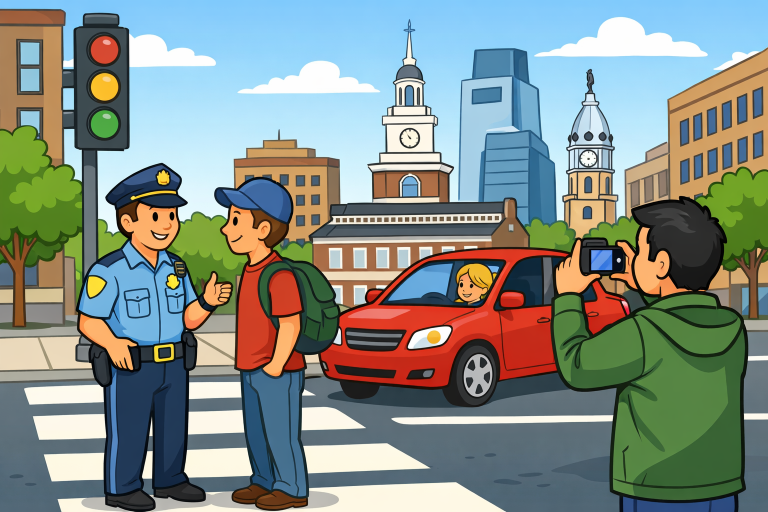
Pedestrian accidents are unfortunately common across Philadelphia, leading to serious injuries and long-term complications for many victims. These incidents often occur at crosswalks, intersections, or along busy streets and can pose immense physical, emotional, and financial burdens. Knowing the right steps to take can have a profound impact on your recovery and the outcome of any potential legal claim. For victims unsure of the proper actions after an accident, direct guidance from resources like quinnlawyers may be invaluable. Acting promptly not only protects your health but also preserves your rights.
Philadelphia’s dense urban landscape poses unique risks for pedestrians. According to city data, the most affected groups are often children, seniors, and those walking in areas with poor visibility or heavy traffic. While quick medical attention is usually the first priority, understanding the specific legal environment in Pennsylvania is just as crucial. Laws around fault, insurance, and compensation can be complex, making professional advice beneficial for safeguarding your interests.
Beyond the immediate trauma, questions about costs, liability, and next steps can overwhelm many victims and their families. Every moment after a pedestrian accident matters, both for physical recovery and for any subsequent legal process. This comprehensive guide covers crucial details for those injured on Philadelphia’s streets, from first response through securing compensation.
For a deeper look at state and federal transportation safety guidelines, the National Highway Traffic Safety Administration provides up-to-date information on pedestrian accident prevention and victim resources.
Immediate Steps After an Accident
The moments following a pedestrian accident are chaotic, but certain actions can significantly influence both health outcomes and legal rights. Move to a safe location if possible, avoiding further risk from oncoming traffic. Call 911 to request medical assistance and law enforcement at the scene, even if injuries seem minor. Gather the driver’s contact and insurance information, and get names and statements from any witnesses. Use your phone to take photos of the scene, injuries, and vehicle involved if you are able.
Medical Care and Documentation
Even if you believe your injuries are minimal, it is vital to see a doctor immediately. Not all injuries, such as concussions or internal damage, are apparent at first. Timely medical attention ensures safety and establishes official documentation essential for insurance and legal claims. Keep all records, including hospital bills, physician notes, and prescriptions, secure and organized. These documents serve as crucial evidence if compensation is sought later on.
Reporting the Incident
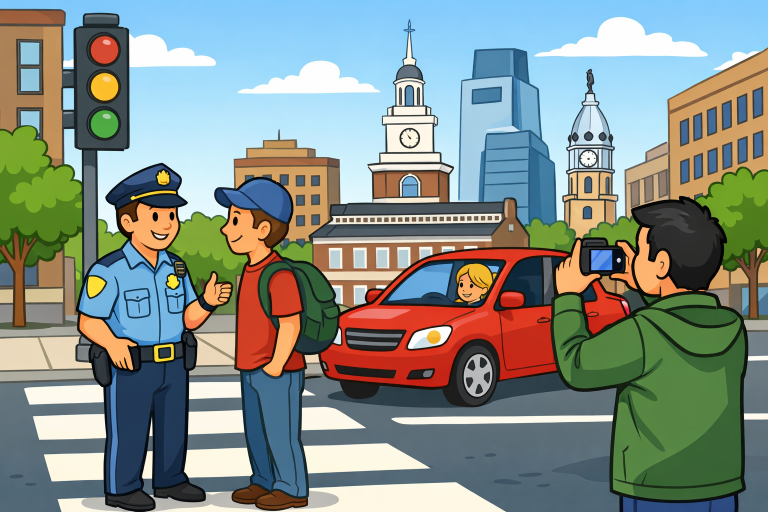
Always file a police report after a pedestrian accident, regardless of perceived injury severity. The police will compile a report, collect evidence, and interview witnesses, which can be critical for determining liability. Request a copy of the report for your records after it is filed. Timely reporting is essential, since many insurance companies and legal statutes require it for a case to proceed. The official report can form the backbone of both insurance claims and legal actions.
Legal Rights and Options for Victims
Pennsylvania law protects pedestrians injured due to driver negligence. Victims may be entitled to compensation for medical costs, lost wages, pain and suffering, and rehabilitation expenses. However, these claims are governed by comparative negligence statutes, meaning compensation may be reduced if a victim is found partially at fault. Strict deadlines, called statutes of limitations, also apply, typically two years from the accident date for personal injury lawsuits. For a thorough overview of state accident liability, Hill & Associates offers a detailed guide specifically for Philadelphia residents.
Dealing with Insurance Companies
Negotiating with insurance companies can be challenging, as they may seek to minimize payouts. It’s crucial not to provide statements, sign releases, or accept settlement offers without consulting a legal advisor. Insurance adjusters may contact you soon after the accident; politely refer them to your attorney, if you have one, and avoid discussing case details. Document all interactions with insurers for your records. Staying firm and informed can help ensure you do not forfeit rightful compensation due to procedural missteps.
How a Personal Injury Lawyer Can Help
An experienced personal injury lawyer can evaluate the facts of your case, guide you through complex insurance processes, and represent your interests in negotiations or court. They can help investigate the accident, consult medical experts, and calculate appropriate damages. Working with a lawyer increases your chances of securing comprehensive compensation and provides support during a stressful time. Most personal injury lawyers offer free consultations, so there is little risk in seeking an assessment of your case.
Frequently Asked Questions
What if the driver leaves the scene?
If you are involved in a hit-and-run, report the incident immediately. Provide any details about the vehicle or driver you remember to law enforcement. You may still pursue compensation through uninsured motorist coverage if the responsible party is not found.
Can I still recover damages if I was jaywalking?
Pennsylvania’s comparative negligence law may allow partial recovery even if you shared some fault, though your compensation could be reduced proportionally. Legal advice is essential to navigate these nuanced situations.
What kinds of damages can be claimed?
Victims can often claim medical expenses, lost wages, pain and suffering, and in some scenarios, punitive damages. Consulting a lawyer helps ensure all potential damages are assessed and included in your claim.
Prompt action, careful documentation, and experienced legal guidance are vital steps for anyone involved in a pedestrian accident in Philadelphia. Understanding your rights and knowing when to seek professional help can make all the difference for your recovery and long-term wellbeing.