Transitioning from preschool to kindergarten is a significant step in a child’s early development, marking a period of rapid growth in social, emotional, and cognitive skills. Parents often wonder what milestones to expect during this exciting phase, from learning to follow routines to developing early literacy and numeracy skills. Understanding these key markers can help caregivers support their child’s readiness and confidence as they enter a more structured school environment. For families who have enrolled their little ones in a toddler school, this period can build on foundational skills such as sharing, listening, and basic problem-solving, setting the stage for a smoother transition to kindergarten.
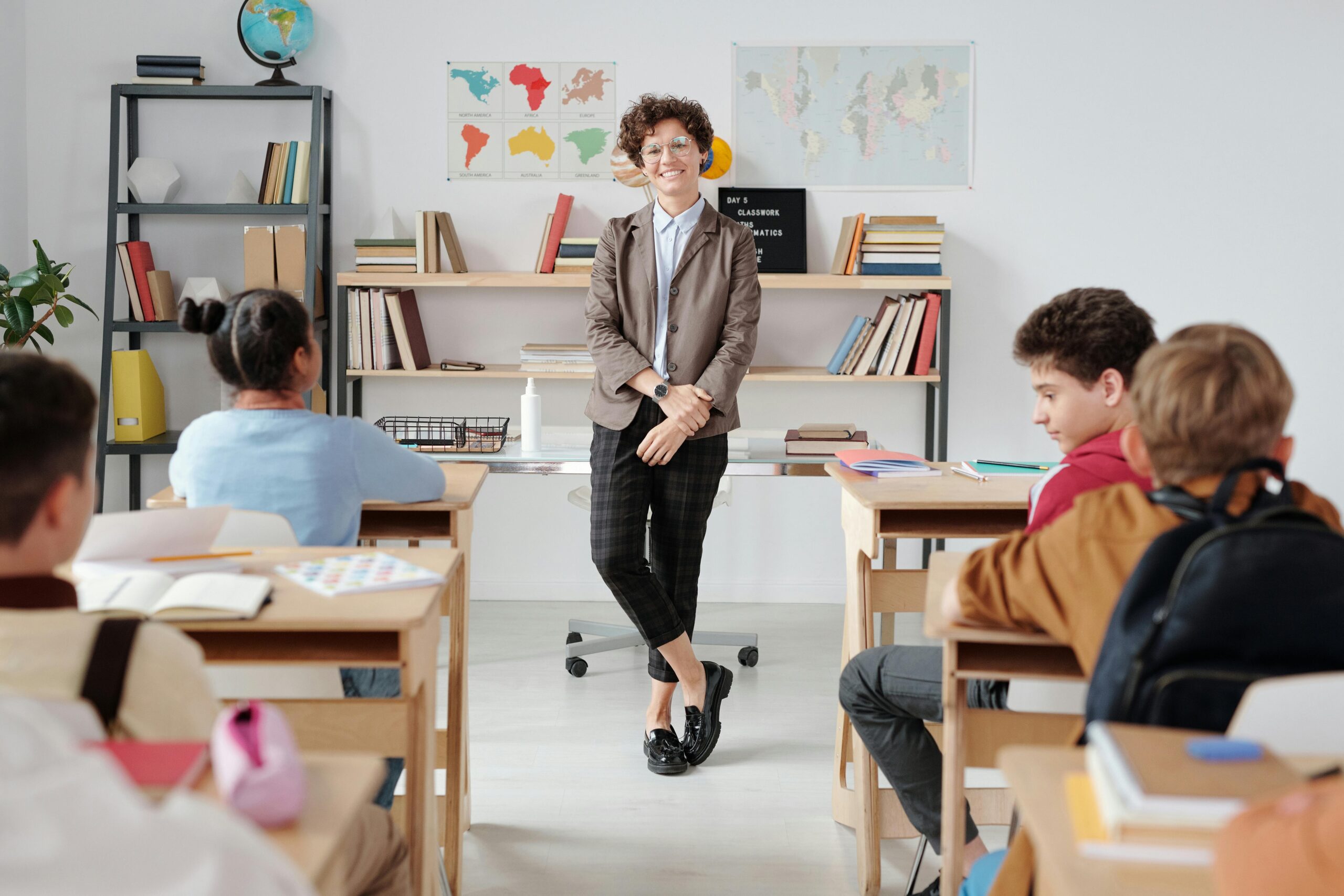
Awareness of developmental milestones allows parents to celebrate achievements and identify areas where extra support may be helpful. From refining fine motor skills to navigating friendships and following classroom routines, each stage prepares children for the independence and learning expectations of kindergarten. By staying informed, parents can foster a nurturing environment that encourages growth, curiosity, and a lifelong love of learning.
Cognitive Development
Children’s cognitive skills grow rapidly as they move through preschool, whether at home, in child care, or in early learning programs. During this stage, kids become skilled at identifying colors and shapes, recognizing patterns, and understanding basic cause-and-effect. They begin solving problems through play and can follow more detailed instructions. Parents and caregivers can support cognitive growth by engaging children in activities such as sorting objects, solving simple puzzles, and asking open-ended questions that stimulate thinking and reflection. High-quality child care settings often provide structured opportunities for these experiences, helping children develop essential reasoning and problem-solving skills in a supportive environment..
Social and Emotional Growth
Social and emotional skills are just as important as academic abilities at this stage. Children develop a better grasp of sharing, taking turns, and cooperating with others, skills that are critical for a harmonious kindergarten experience. Making friends and learning to express emotions appropriately marks another essential step in this journey. Participating in group games, role-playing, and encouraging empathy at home can further support social and emotional growth. According to Understood.org, these abilities help children adjust more easily to classroom routines and group dynamics.
Language and Literacy Skills
Early language and literacy are building blocks for future reading and academic success. In preschool, children learn to recognize many letters, understand sounds, and begin to write their names. Story time becomes an opportunity to ask questions, make predictions, and expand vocabulary. Reading aloud daily, discussing stories, and pointing out letters and sounds in the environment support this development.
Numeracy Skills
In the preschool years, children are introduced to basic numeracy concepts such as counting, recognizing numbers, and understanding patterns and categorization. Numeracy skills provide the groundwork for math in kindergarten and beyond. Simple activities like counting steps, sorting toys, or spotting numbers while shopping can integrate learning into daily life. Making math fun through games like memory or board games can generate excitement for learning numbers.
Physical Development
Physical development involves both gross motor skills, like running and jumping, and fine motor skills, such as drawing, cutting, and manipulating small objects. Climbing, playing with balls, and dancing help children strengthen large muscles, while arts and crafts foster dexterity and control in small movements. Encouraging active play and offering a variety of materials for creative expression can help your child develop these critical abilities.
Independence and Self-Care
Becoming independent is a major milestone for preschoolers. Dressing oneself, washing hands, and managing small personal tasks foster confidence and self-reliance. Additionally, learning to follow basic routines and instructions sets the stage for success in a more structured classroom environment. Families can support these skills by establishing consistent routines at home and praising efforts toward self-sufficiency.
Preparing for the Transition
Preparation is key to easing anxiety about the move to kindergarten. Visiting the new school, meeting teachers, and talking regularly about what kindergarten will involve can help children feel comfortable and excited. Involve your child in choosing school supplies or planning practice routines, so the change feels more familiar and less overwhelming. This sense of preparedness makes the adjustment to new expectations and environments much smoother.
Conclusion
The shift from preschool to kindergarten is a significant milestone for every child and family. By understanding the core developmental areas and supporting growth in each, parents play a vital role in building a foundation for school success and beyond. Encouragement, daily engagement, and patience can help children meet the challenges of this transition with confidence.