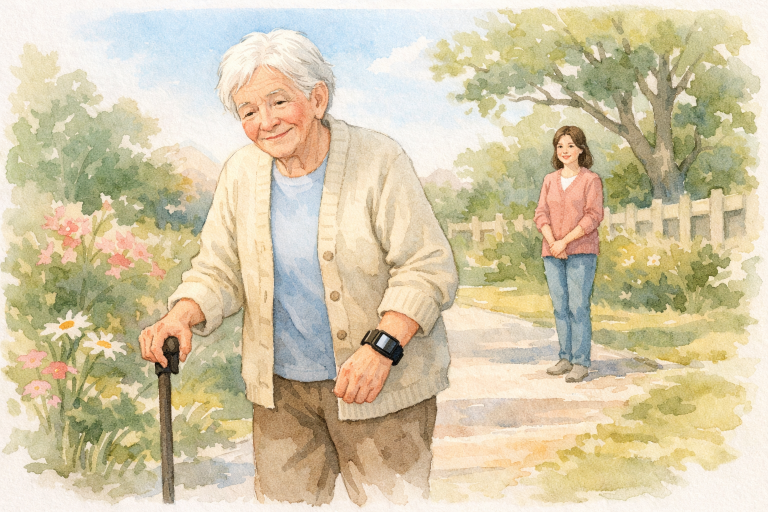
As people age, one of the most important aspirations is to maintain independence without compromising personal safety. For many families, addressing this balance is a priority, especially when loved ones may face health concerns or memory issues. Fortunately, a GPS tracker for elderly is an innovative solution that promotes both freedom and reassurance, enabling seniors to enjoy an active lifestyle. At the same time, caregivers gain peace of mind about their well-being.
The integration of modern technology into everyday life has made it easier for seniors to remain engaged in their communities and daily routines. GPS trackers offer a discreet means to monitor safety without imposing restrictive limits on personal autonomy. This technology supports independent living by providing families with real-time updates, which can be critical in emergencies or for seniors with cognitive challenges.
These tracking devices are specifically designed for seniors, featuring user-friendly designs that adapt to a wide range of lifestyles. While they promote independence, they also provide essential security, reducing stress for both the user and their support network. As a result, families are empowered to cultivate open discussions about personal safety that respect the dignity and privacy of their loved ones.
In addition to location tracking, today’s GPS solutions often include features that can detect falls or allow direct communication in urgent situations, making them invaluable everyday tools for seniors and caregivers alike. According to the AARP, these advances are reshaping the landscape of caregiving and personal support for older adults.
The Importance of Independence for Seniors
Retaining independence has a profound impact on seniors’ mental and emotional health. It helps foster motivation, a sense of accomplishment, and social engagement. When older adults can make their own day-to-day decisions, they maintain the dignity and purpose that are vital drivers of life satisfaction. However, health risks such as falls, wandering, or sudden medical issues may cause family members to limit a senior’s freedom, sometimes unintentionally leading to isolation or decreased self-esteem.
To avoid these negative effects, families are increasingly seeking solutions that provide reassurance without eroding personal agency. This need for balance has contributed to the popularity of wearable tracking devices for the elderly, as they enable proactive support and timely intervention without imposing unnecessary restrictions.
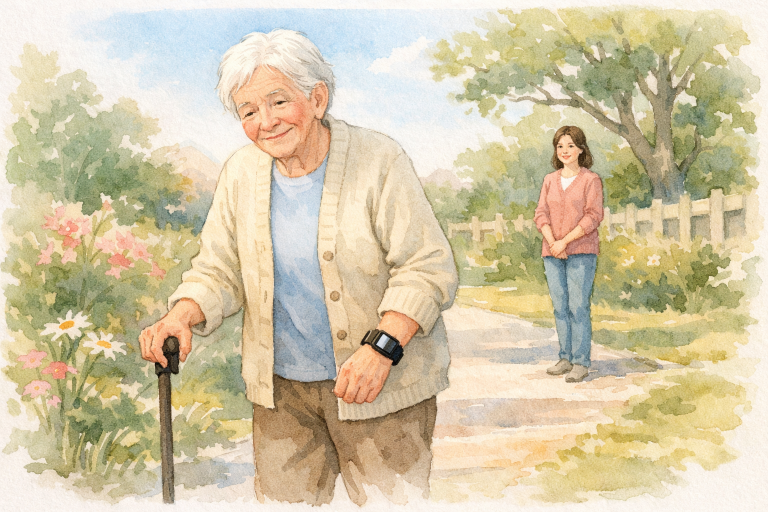
How GPS Trackers Enhance Senior Safety
GPS tracking technology is a game-changer for senior safety. Modern devices deliver continuous location updates, often accessible via smartphones or web platforms, enabling caregivers to respond rapidly to unexpected events. For seniors at risk of wandering, especially those with Alzheimer’s or dementia, these trackers serve as a critical safety net. The Forbes Health Guide explains how geofencing and alert systems can inform family members if a senior strays from designated safe zones, adding an extra layer of protection while minimizing disruption to daily life.
Quick access to up-to-date location information helps reduce response times during emergencies and increases the likelihood of a safe outcome. For seniors, knowing that help is always within reach allows them to maintain routines such as social visits, shopping, or leisurely walks, with confidence and independence.
Key Features of GPS Trackers for Seniors
- Real-Time Location Monitoring:Allows caregivers to instantly check the senior’s whereabouts, for ongoing reassurance and quick intervention if needed.
- Geofencing and Alerts: Automatically trigger notifications when the wearer exits predefined areas, helping prevent wandering incidents.
- Emergency SOS Button: Easy-access button that lets the user quickly signal for assistance, which is especially critical during sudden health emergencies.
- Fall Detection: Integrated sensors can detect falls and send alerts, enabling caregivers to act promptly in the event of an injury.
- Two-Way Communication: Enables the senior and their caregivers to communicate directly through the device, improving coordination in case of unexpected changes.
Choosing the Right GPS Tracker
Selecting an ideal GPS tracker depends on the user’s daily routines, technological comfort, and specific health concerns. Battery longevity, ease of interface, comfort in carrying or wearing the device, and the addition of features such as step tracking or health monitoring all play a significant role. Prioritizing intuitive controls and lightweight designs can significantly increase the likelihood that the tracker will be used consistently.
It is crucial to involve seniors in this decision, seeking their input on which designs and features best align with their preferences. This collaborative approach ensures better long-term compliance with tracker use.
Real-Life Benefits and Testimonials
Families and users routinely share positive feedback on how GPS trackers support daily independence. These devices allow older adults to manage errands, attend social engagements, or enjoy the outdoors without constant supervision. For example, stories on the Tack GPS blog illustrate how quick location sharing and SOS alerts have made a difference in potentially dangerous situations, strengthening the trust between caregivers and their loved ones.
This balance of safety and freedom reduces anxiety for both seniors and their families. Knowing that assistance is close at hand means seniors can embrace life more fully, which is key to well-being.
Privacy Considerations and Consent
Although the benefits of GPS trackers are significant, privacy remains a sensitive and important concern. Engaging in open conversations before implementation is critical. Informed consent must be obtained from the user, and all parties should agree upon how and when tracking information is accessed. Establishing transparent guidelines respects the dignity and autonomy of the senior while providing essential assurance of safety.
Conclusion
GPS trackers have quickly become indispensable tools for helping seniors maintain independence without sacrificing safety. With a variety of practical features tailored to older adults and their caregivers, these devices offer freedom, reassurance, and immediate support when it matters most. As technology continues to evolve, GPS trackers will remain at the forefront of solutions that foster dignity, connection, and quality of life for seniors and their families.