Household drain clogs are a common issue that can disrupt daily routines and lead to costly repairs if left unaddressed. Sinks, showers, and toilets are designed to handle regular waste and water flow, yet everyday habits often introduce materials that gradually restrict drainage. Understanding how these blockages form helps homeowners recognize early warning signs and take simple preventive steps before minor buildup turns into a persistent problem.
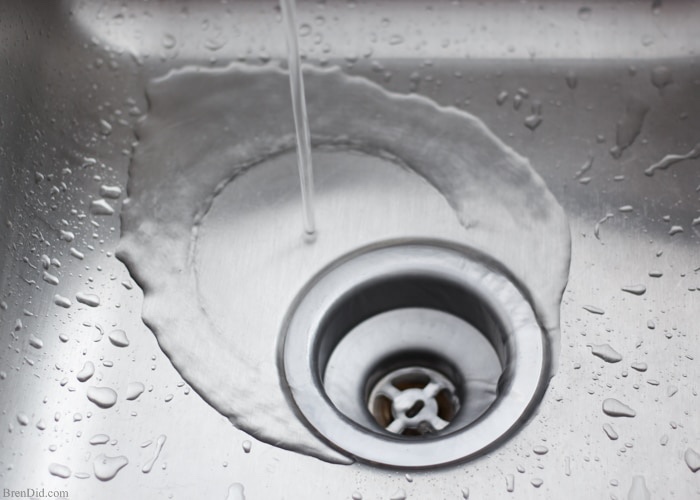
Many blockages develop slowly due to a combination of grease, soap residue, food particles, hair, and mineral buildup inside pipes. Over time, these substances adhere to pipe walls, narrowing the passage for water to flow freely. Identifying the causes of clogged drains makes it easier to adjust disposal habits, improve routine maintenance, and protect plumbing systems from unnecessary strain. With consistent care and awareness, most common clogs can be reduced or avoided altogether.
Hair and Soap Buildup
Bathroom drains most commonly face issues due to a combination of hair and soap residue. As hair collects, it binds with soapy scum, creating dense, sticky masses that can halt water drainage. Over time, these clogs can creep deeper into your pipes, making them harder to dislodge. A simple yet effective solution lies in mesh drain covers, which intercept hair before it enters your plumbing. Regularly removing debris from these covers dramatically reduces the risk and keeps water moving freely. Keeping a routine, such as cleaning out the covers weekly, adds a strong layer of prevention.
Grease and Food Particles
Kitchens are prone to clogs originating from fats, oils, and leftover food. When hot grease is poured down a sink, it quickly cools and solidifies, forming a layer on the walls of your pipes. This sticky lining traps food bits and can become a tough clog that resists simple flushing or chemical solutions. The best defense is to never pour grease down the drain; instead, collect it in a container for trash disposal. Scraping plates into a compost bin rather than rinsing them off in the sink also helps prevent kitchen blockages. These habits also have the environmental benefit of reducing strain on municipal wastewater systems.
Foreign Objects
Bathroom plumbing is highly susceptible to blockage by non-degradable items. Products such as “flushable” wipes, sanitary products, cotton swabs, paper towels, and other hygiene products are among the chief offenders. Despite labeling, most of these items do not completely break down in water and can accumulate in bends in the pipes or the main sewer line. Always remind household members and guests to dispose of such items in the trash can, not by flushing them. Kid-friendly reminders in prospective homes can reduce accidents, keeping your system strong and reliable for everyone.
Mineral Buildup
Regions with hard water will often encounter clogs caused by mineral deposits. Minerals like calcium and magnesium separate from water over time, forming scale along pipe interiors. This narrows passageways for water and can eventually stop the flow altogether. A home water softener is a valuable addition that reduces mineral accumulation at the source. For additional maintenance, running a solution of vinegar and water through your drains helps dissolve light buildup before it becomes a larger concern. Taking these steps is especially important in older homes or areas notorious for hard water.
Tree Root Intrusion
Sewer lines buried underground are an attractive target for tree roots, which sense water and nutrients traveling through pipes. Even tiny cracks or joints in a pipe create entry points for roots, which can quickly expand and block water flow. Once roots have breached your sewer line, specialized equipment or professional intervention is usually required for removal. Annual sewer inspections using cameras help detect early signs of intrusion, allowing problems to be addressed before they worsen. Tree management around your home and proper pipe material choices further protect underground plumbing from this natural threat.
Poor Pipe Installation
Not all clogs arise from user behavior. Errors in design or installation, such as poorly sized pipes, inadequate slope, or low-quality materials, can leave you with persistent drainage issues. If you regularly experience slow drains or mysterious blockages, it may be worth consulting a professional plumber to inspect the pipework for foundational issues. Upgrading compromised pipes or correcting installation flaws ensures your drainage system works efficiently and reliably.
Preventive Measures
Consistent attention and care are your best allies in avoiding drain blockages. Here are proven strategies to keep your pipes clear and healthy:
- Use Drain Strainers: Fit strainers or guards on all sink and shower drains to catch hair and debris, cleaning them frequently for best results.
- Dispose of Grease Properly: Always dispose of cooking grease in the trash. Allow oils to cool before sealing in a container destined for garbage pickup.
- Flush Only Waste and Paper: Only human waste and toilet paper should go down the toilet. All other items, including “flushable” products, belong in the trash.
- Perform Routine Cleaning: About once a month, flush your drains with hot water and a mix of baking soda and vinegar. This natural solution helps keep buildup at bay and keeps your lines fresh.
- Schedule Professional Inspections:Don’t wait until a total blockage occurs. Routine checkups by certified plumbers will catch problems early and help keep your household worry-free.
Conclusion
Most drain clogs stem from everyday habits, aging infrastructure, or environmental factors that gradually restrict water flow. By understanding common causes and adopting simple preventive practices, homeowners can avoid inconvenient backups and costly repairs. Consistent maintenance, mindful disposal habits, and timely professional inspections work together to keep plumbing systems efficient, reliable, and problem-free over the long term.