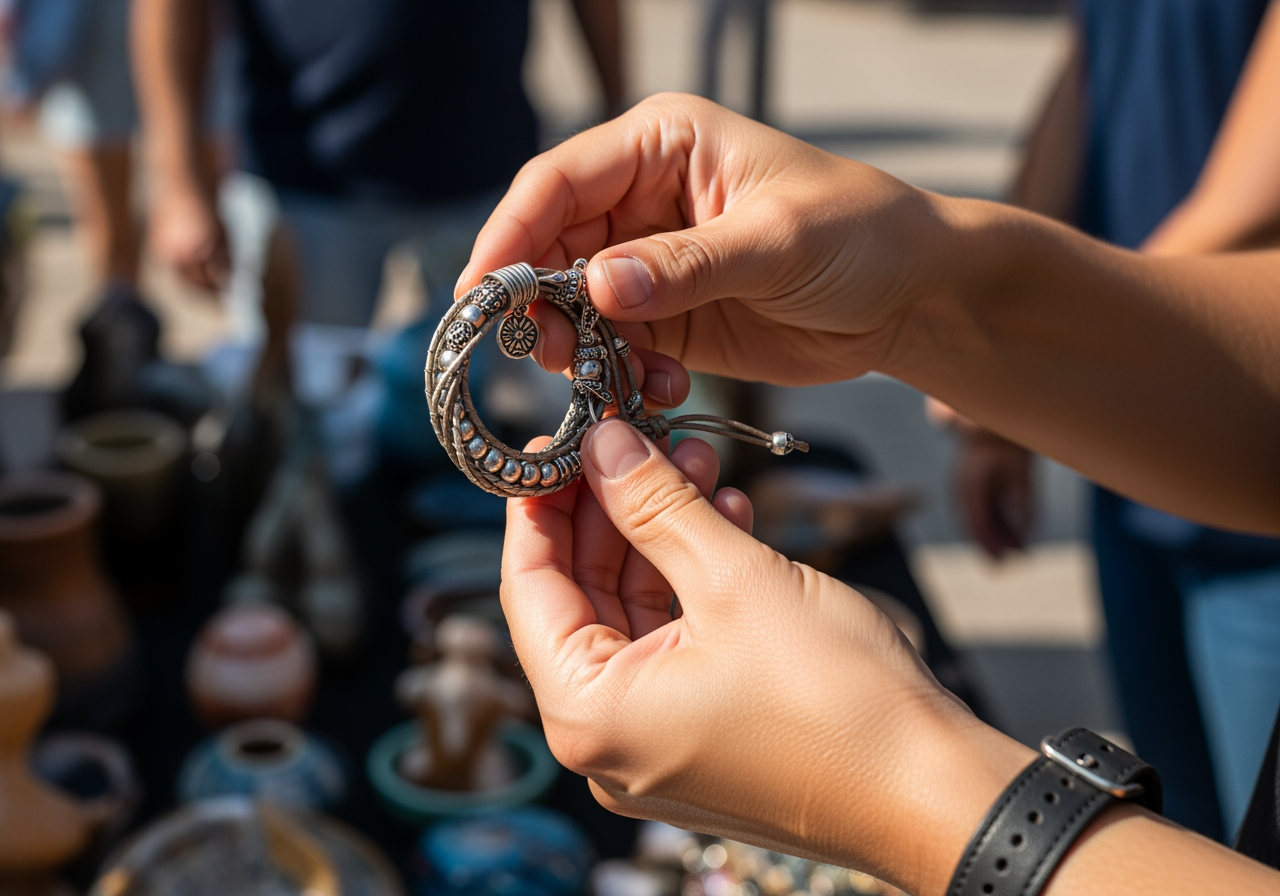

In a world increasingly driven by mass production, there’s a growing desire for items that carry a unique story. We are witnessing a clear shift in consumer preference, moving away from uniform goods towards pieces that reflect individuality and personal connection. This is especially true for jewelry, where the allure of something made by hand, with passion and skill, truly stands out.
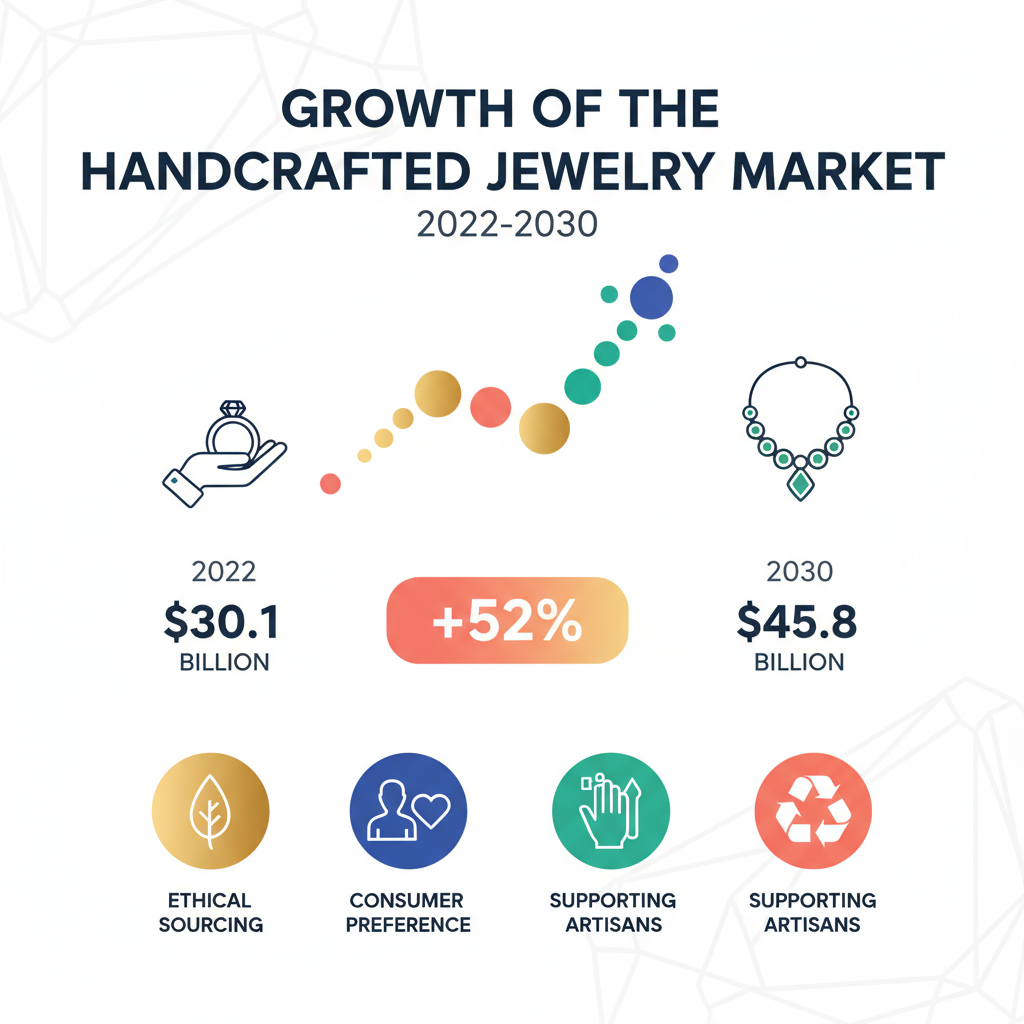
This accept of the artisan’s touch is fueling a significant boom in the handcrafted jewelry market. Valued at $23.6 billion in 2022, this market is projected to reach an impressive $45.8 billion by 2030. This growth highlights our collective appreciation for distinctive, high-quality pieces, including those that represent exceptional handcrafted jewelry.
Throughout this article, we will dive into what truly defines handcrafted jewelry. We will explore the many benefits of choosing these unique items. We will also guide you on how to identify and invest in high-quality, authentic pieces. Join us to understand the lasting value and personal connection that comes with adorning ourselves with a story.
At its heart, handcrafted jewelry is a testament to the artisan’s touch. It embodies a philosophy where each piece is created with intention, skill, and a deep understanding of materials and form. Unlike the anonymous origins of mass-produced items, handcrafted jewelry carries the distinct signature of its maker, often reflecting their personal story, cultural heritage, and artistic vision. This human element is what imbues every necklace, ring, or bracelet with a unique character that simply cannot be replicated by machinery.
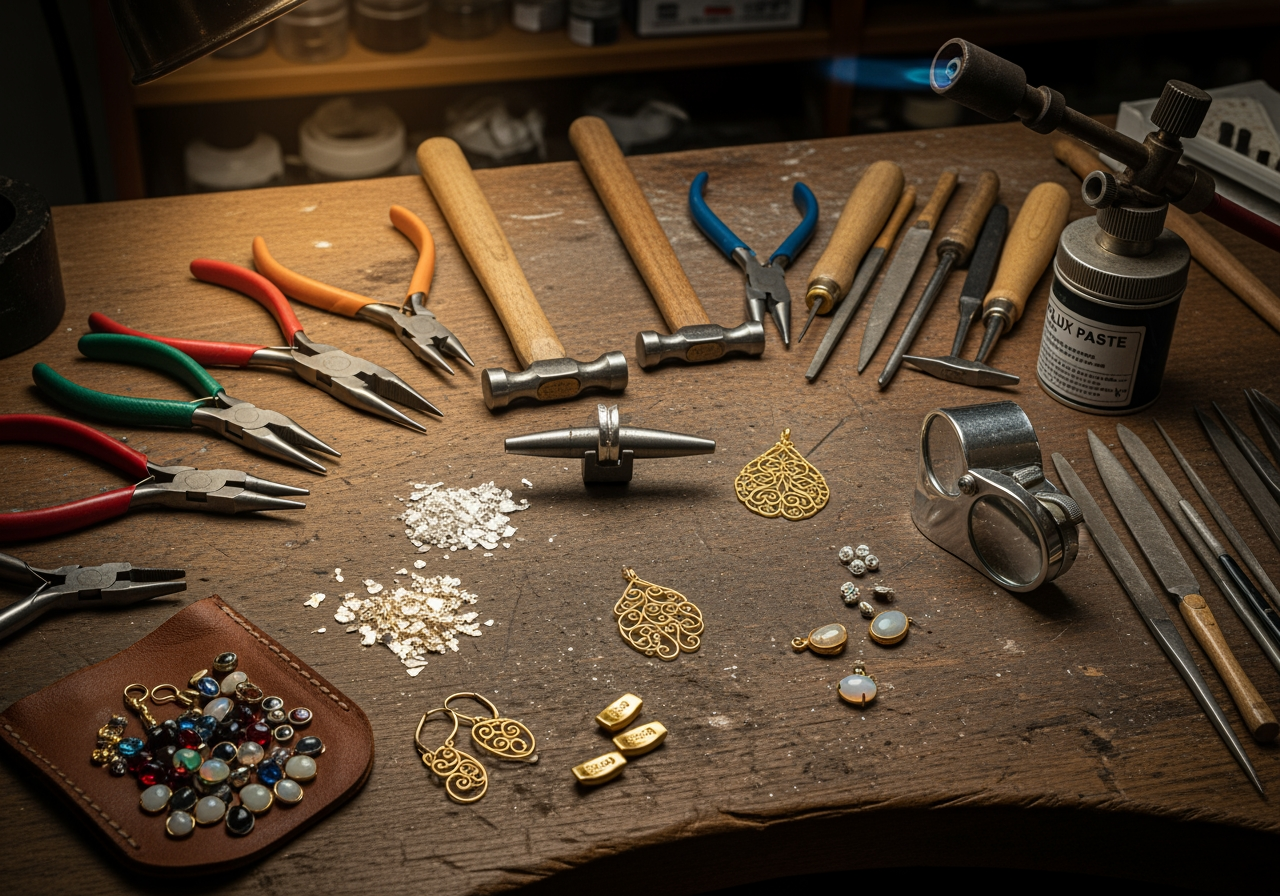
When we speak of handcrafted jewelry, we are referring to items primarily made by hand, using traditional tools and techniques, often in small batches or as one-of-a-kind creations. This approach allows for meticulous attention to detail, enabling the artisan to control every aspect of the design and fabrication process. The result is a piece that isn’t just an adornment but a miniature work of art, often bearing subtle “imperfections” that are, in fact, signs of its authenticity and individuality.
What Sets Handcrafted Jewelry Apart from Mass Production?
The distinction between handcrafted and mass-produced jewelry is fundamental, touching upon every aspect from creation to consumption. Understanding these differences helps us appreciate the true value of artisan pieces.
Feature Handcrafted Jewelry Mass-Produced Jewelry Production Method Manual, often using traditional tools and techniques; small batches or one-of-a-kind. Automated, machine-driven, assembly lines; large-scale production. Uniqueness Each piece is distinct; subtle variations are common and celebrated. Uniformity is the goal; pieces are identical replicas. Quality Emphasis on durability, meticulous detail, and high-quality material selection. Often prioritizes speed, cost-efficiency, and trendy designs; quality can vary. Ethical Impact Greater transparency in sourcing and labor; often sustainable and fair trade. Supply chains can be opaque; potential for exploitative labor and environmental harm. Artist InvolvementDirect involvement of the artisan from design to finish; personal story and passion. Designed by a team, produced by many; anonymous origin. Value Proposition Artistic value, personal connection, ethical choice, heirloom potential. Affordability, trend adherence, wide availability. While mass-produced jewelry aims for identical replication and efficiency, handcrafted jewelry thrives on its individuality. An artisan might spend hours refining a single detail, ensuring the setting of a stone is perfect, or the curve of a metal piece flows just right. This level of dedication often results in superior quality and durability, as the maker has a vested interest in the longevity and integrity of their creation.
Common Materials and Crafting Methods
The world of handcrafted jewelry is rich with diverse materials and ancient techniques, each contributing to the unique aesthetic and story of a piece. Artisans often select materials not only for their beauty but also for their ethical provenance and sustainability.
Materials:
- Recycled Metals: A growing trend, artisans frequently use recycled gold, silver, and platinum, reducing the environmental impact associated with new mining.
- Sterling Silver & Gold-Fill: These are staples for many artisans, offering durability and beauty. Gold-fill provides a thicker layer of gold than plating, making it more resistant to wear.
- Ethically Sourced Gemstones: From conflict-free diamonds to responsibly mined sapphires and emeralds, ethical sourcing is a priority for many handcrafted brands.
- Pearls: Cultured pearls, both freshwater and saltwater, are popular for their organic beauty.
- Natural & Upcycled Materials: Artisans often incorporate unique elements like sea glass, wood, leather, and even upcycled plastics, giving new life to discarded items. For instance, some artisans specialize in incorporating natural elements like amber, creating truly distinctive pieces. You can explore the beauty of such pieces, like those from Midwest Amber handcrafted jewelry, to see how natural materials are transformed into art.
Crafting Methods:
- Lost-Wax Casting: An ancient art form, this technique involves creating a wax model, encasing it in a mold, melting out the wax, and then pouring molten metal into the cavity. It allows for intricate, highly detailed designs.
- Metalsmithing: This broad category includes techniques like forging (shaping metal with hammers and heat), soldering (joining metal pieces with heat and filler metal), and filing to create desired forms.
- Wire Wrapping: A technique where wire is skillfully bent, twisted, and woven around gemstones or other components to create intricate designs without soldering.
- Beading: From intricate beadwork to simple stringing, this method uses various beads (glass, stone, wood, metal) to create necklaces, bracelets, and earrings.
- Engraving & Enameling: These decorative techniques add texture, color, and personalized details to metal surfaces.
The choice of material and technique often reflects the artisan’s expertise and the cultural context of the jewelry. This rich mix of methods ensures that every handcrafted piece is not just an accessory, but a testament to human creativity and skill.
More Than an Accessory: The Benefits of Choosing Artisan Pieces
Choosing handcrafted jewelry goes far beyond simply acquiring an adornment; it’s a conscious decision that brings a multitude of benefits, both personal and societal. In an age where consumer choices increasingly reflect our values, artisan pieces stand out as symbols of individuality, sustainability, and ethical production.
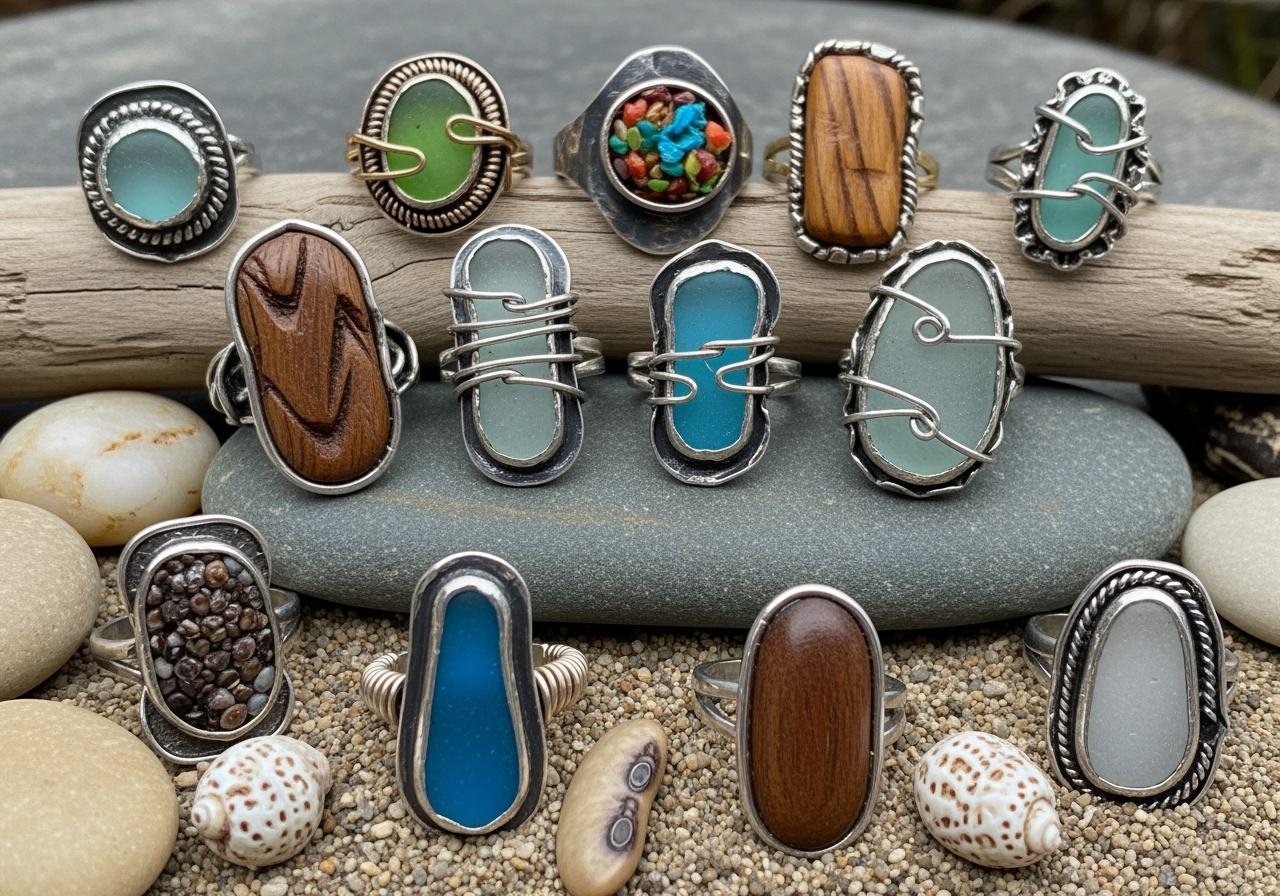
By opting for handcrafted items, we actively support independent artisans and small businesses, directly contributing to local economies and fostering creative communities. This direct impact helps preserve traditional crafts and encourages innovation, ensuring that unique skills and artistic expressions continue to thrive. The journey of a handcrafted piece, from raw material to finished product, is often a personal storytelling experience, connecting the wearer not just to the object, but to the hands and heart that created it.
Uniqueness and Personal Connection
One of the most compelling reasons to choose handcrafted jewelry is its inherent uniqueness. Unlike mass-produced items that aim for uniformity, each handcrafted piece possesses subtle variations that make it truly one-of-a-kind. These slight differences, whether in the texture of the metal, the setting of a stone, or the curve of a design, are not flaws but rather hallmarks of its artisanal origin.
- One-of-a-kind designs: Even if an artisan creates a series of similar pieces, no two will be absolutely identical. This ensures that your jewelry is distinctive, setting you apart from the crowd.
- Connection to the artist: Many handcrafted pieces come with a story – the inspiration behind the design, the challenges overcome, or the cultural significance. Knowing the artist, their passion, and their process creates a profound personal connection that mass-produced items simply cannot offer. It transforms the jewelry from a mere object into a wearable piece of art.
- Wearable art: Handcrafted jewelry is often seen as miniature sculptures, reflecting the artist’s vision and skill. Wearing such a piece is a statement of appreciation for artistry and craftsmanship.
- Expressing individuality: In a world saturated with trends, handcrafted jewelry allows us to express our unique personality and style. It becomes an extension of who we are, a conversation starter, and a reflection of our values.
The Sustainable and Ethical Advantage
The benefits of handcrafted jewelry extend significantly into the fields of sustainability and ethics, addressing critical concerns within the broader jewelry industry. Consumers are increasingly seeking products that align with their values, and handcrafted pieces often lead the way in responsible practices.
- Conflict-Free Gems and Ethical Sourcing: The issue of “blood diamonds” and other unethically sourced gemstones has brought much-needed attention to the jewelry supply chain. Handcrafted jewelers, particularly independent artisans, tend to be more transparent and committed to sourcing conflict-free and ethically mined gemstones. They often work directly with small-scale miners or reputable suppliers who adhere to strict ethical and environmental standards. This ensures that the beautiful stones in your jewelry haven’t contributed to human rights abuses or environmental degradation.
- Recycled Materials and Lower Environmental Impact: Many artisans prioritize the use of recycled metals (gold, silver, platinum) and upcycled materials. This significantly reduces the demand for new mining, which is a highly resource-intensive and environmentally damaging process. Small-scale production also typically results in a smaller carbon footprint compared to large industrial factories. Artisans often operate out of home studios or small workshops, using less energy and producing less waste.
- Fair Labor Practices: Handcrafted jewelry inherently supports fair labor. Artisans are typically self-employed or work in small, transparent workshops where they are paid fairly for their skilled labor. This stands in stark contrast to some mass-production facilities where labor practices can be exploitative. By purchasing handcrafted, you are directly supporting the livelihood of skilled individuals and their communities.
- Supporting Independent Artisans and Small Businesses: The rise of independent artisans and small businesses on platforms like Etsy has made handcrafted jewelry more accessible, and this growth is a testament to consumer demand. These businesses are vital to local economies and foster creativity. They offer a direct-to-consumer model that often means high-quality pieces are available at more affordable prices than luxury brands with extensive overheads.
- Conscious Consumerism: The increasing consumer preference for unique, personalized, and ethically sourced products is driving the market for handmade jewelry. Consumers are actively seeking handcrafted jewelry that is sustainable, eco-friendly, and ethically sourced, pushing brands to prioritize these values. This shift reflects a broader movement towards conscious consumerism, where purchasing decisions are guided by a desire for positive social and environmental impact. When you choose exceptional handcrafted jewelry, you’re not just buying a piece; you’re investing in a more responsible and meaningful future.
A Buyer’s Guide to Investing in Quality Handcrafted Jewelry
Navigating handcrafted jewelry can be a delightful journey, but it also requires an informed approach to ensure you’re investing in authentic, high-quality pieces that resonate with your values. As conscious consumers, we have the power to support genuine artistry and ethical practices. This section will equip you with the knowledge to identify authentic pieces, evaluate their true value, and confidently make purchases that you’ll cherish for years to come.
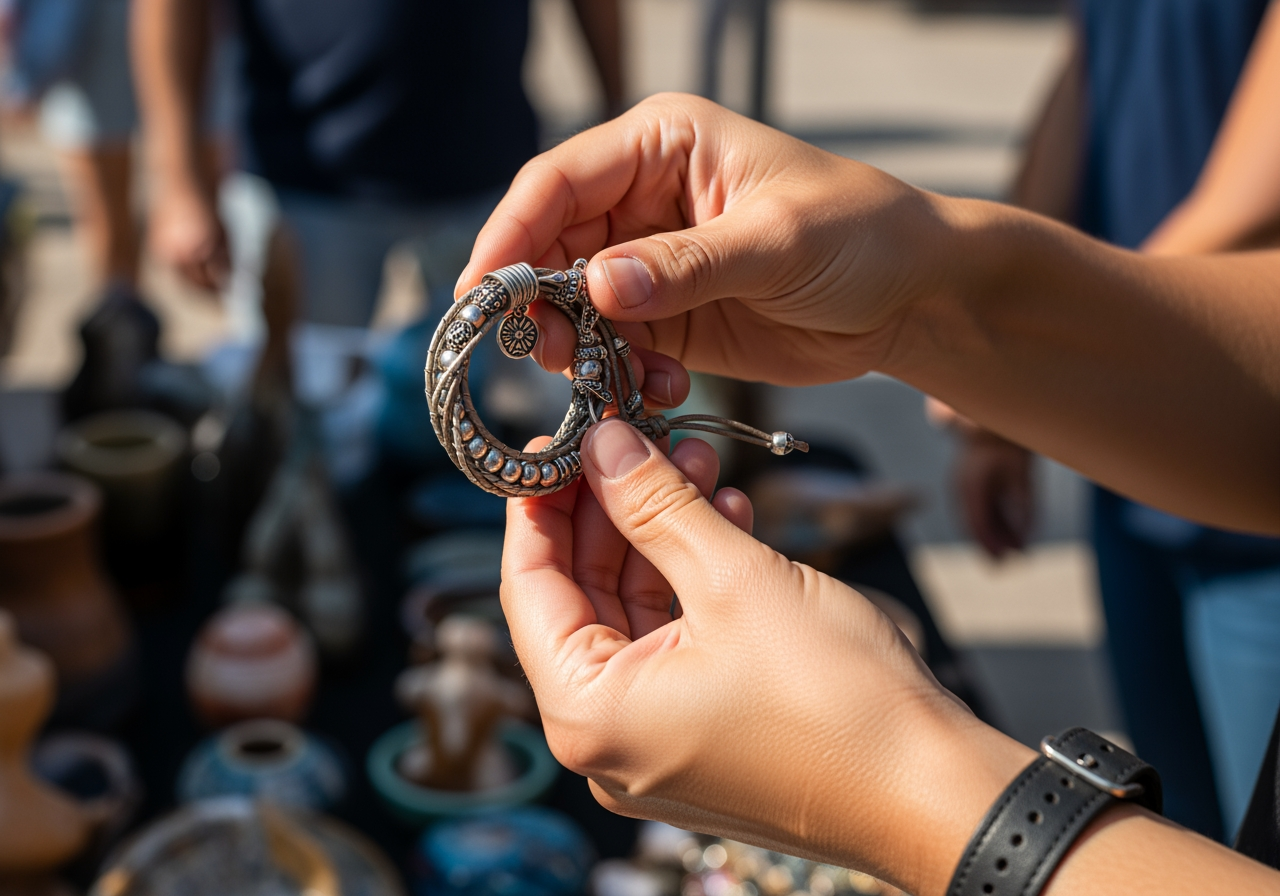
The growth of online sales channels has made handcrafted jewelry more accessible than ever, but it also means we need to be discerning. Whether you’re browsing an artisan’s online shop, exploring a local market, or finding a new brand through social media, knowing what to look for is key.
How to Identify Authentic Pieces
Identifying authentic handcrafted jewelry involves looking beyond the surface and understanding the nuances of artisanal creation.
- Artist’s Story and Transparency: A genuine artisan will almost always have a compelling story behind their work. Look for detailed “About Us” or “Meet the Maker” sections on their websites. They often share their inspiration, their journey into jewelry making, and their philosophy. Transparency about their process, from design to creation, is a strong indicator of authenticity.
- Material Transparency: Authentic handcrafted brands are typically very open about the materials they use. They will specify the type of metal (e.g., “sterling silver,” “14k gold-fill,” “recycled gold”), the origin and type of gemstones (e.g., “ethically sourced amethyst,” “lab-grown diamond,” “natural Baltic amber”), and any other components. Vague descriptions like “silver-tone” or “gemstone” without further detail can be red flags.
- Craftsmanship Details: Examine the piece closely, either in person or through high-resolution images. Look for:
- Clean Finishes: Smooth edges, well-polished surfaces, and secure settings for stones.
- Consistency (within reason): While handcrafted pieces have unique variations, there should be a consistent level of skill and attention to detail.
- Durability: Components should feel sturdy and well-joined. Clasps should be secure.
- Signs of the Hand: Accept the slight “imperfections” – a tiny hammer mark, a subtle asymmetry – these are often celebrated as evidence of the human touch, distinguishing it from machine-made perfection.
- Direct Communication: The ability to communicate directly with the artisan or a knowledgeable representative of the brand is a huge advantage. Ask questions about their process, materials, or inspiration. A passionate artisan will be happy to share.
- Hallmarks and Signatures: Many reputable jewelers and artisans will stamp their metal pieces with a hallmark indicating the metal’s purity (e.g., “925” for sterling silver, “14k” for gold) and often their maker’s mark or signature. This is a traditional way to guarantee authenticity and quality.
- Reputable Platforms and Curated Marketplaces: Platforms like Etsy, The Future Rocks, Local Eclectic, and The Clay Pot often feature independent artisans. While Etsy is a vast marketplace, others are more curated, focusing on ethical and sustainable brands. These platforms can be a good starting point for finding authentic makers.
Evaluating Price, Quality, and Artistic Value
When purchasing handcrafted jewelry, understanding how to evaluate its price, quality, and artistic value is crucial. These factors often intertwine, reflecting the true worth of a piece.
- Price Factors: Handcrafted jewelry often comes with a higher price tag than its mass-produced counterparts, and for good reason. The price reflects:
- Skill and Time Investment: Artisans spend countless hours honing their craft. Each piece requires significant time for design, fabrication, finishing, and quality control. This labor is a major component of the cost.
- Material Cost: Artisans often use higher-quality, ethically sourced, or recycled materials, which can be more expensive than industrial-grade alternatives. For example, the cost of genuine Midwest Amber handcrafted jewelry will reflect the sourcing and preparation of natural amber.
- Small-Batch Production: Without the economies of scale enjoyed by large factories, the cost per unit for handcrafted items is naturally higher.
- Artisan’s Livelihood: The price supports the artisan’s business, allowing them to continue their craft and earn a fair living.
- Quality: This refers to the durability, longevity, and overall construction of the piece.
- Material Grade: Is the metal solid sterling silver or gold, or is it plated? Are the gemstones natural, lab-grown, or simulated? Higher-grade materials generally equate to higher quality and durability.
- Construction: How well is the piece put together? Are joints secure? Are settings tight? Does it feel substantial? High-quality handcrafted jewelry is built to last, often becoming an heirloom.
- Finish: A well-finished piece will have smooth surfaces, consistent polishing, and no sharp edges or burrs.
- Artistic Value: This is perhaps the most subjective yet profoundly important aspect of handcrafted jewelry.
- Design Originality: Does the piece showcase a unique vision or a fresh interpretation of a classic style? Is it truly original, or a generic design?
- Aesthetic Appeal: Does the design speak to you? Does it evoke emotion or tell a story?
- Emotional Resonance: Does the piece feel special? Does it connect with your personal style or values?
- Regional Influences: The origin or region of handcrafted jewelry can significantly influence its style and materials. For example, jewelry from the American Southwest often features turquoise and silver, reflecting indigenous traditions, while pieces from Bali might incorporate intricate filigree work. Understanding these influences adds another layer to the artistic value and often speaks to the artisan’s heritage and expertise.
By carefully considering these factors, we can make informed decisions, ensuring that our investment in handcrafted jewelry is not just in an object, but in a piece of art that carries meaning, quality, and a story.
Frequently Asked Questions about Artisan Jewelry
As we dig deeper into handcrafted jewelry, several common questions arise. Addressing these helps clarify misconceptions and reinforces the unique value proposition of artisan-made pieces.
Is Handcrafted Jewelry More Expensive?
This is a common perception, and while handcrafted jewelry can indeed have a higher initial price point than many mass-produced alternatives, it’s crucial to understand the underlying factors that contribute to its cost and its long-term value.
Firstly, the price reflects the skill, time, and labor involved. Each piece is individually crafted, often requiring hours of meticulous work, specialized tools, and years of honed expertise. This is a stark contrast to factory production where machines churn out thousands of identical items with minimal human intervention per piece.
Secondly, material quality and ethical sourcing play a significant role. Artisans often prioritize high-quality, durable materials like sterling silver, gold-fill, and ethically sourced gemstones. These materials are chosen for their longevity and beauty, and their responsible acquisition can add to the cost compared to cheaper, unethically sourced, or lower-grade alternatives used in mass production. For example, the use of recycled metals or conflict-free diamonds ensures a clean conscience but might involve a premium.
Finally, the small-batch nature of handcrafted production means artisans don’t benefit from the massive economies of scale that large manufacturers do. Each piece’s cost must cover a greater share of design, material acquisition, and finishing expenses.
However, it’s not always more expensive. Many independent artisans operating on a direct-to-consumer model can offer high-quality, unique pieces at prices that are competitive with, or even more affordable than, mid-range designer brands. This is because they eliminate many layers of overhead, marketing, and distribution costs. When you purchase handcrafted jewelry, you’re not just buying a product; you’re investing in quality, artistry, ethical practices, and a piece that often holds its value and becomes an heirloom.
How Should I Care for My Handcrafted Pieces?
Proper care is essential to ensure your handcrafted jewelry retains its beauty and integrity for years to come. Because each piece is unique and materials can vary, it’s always best to follow any specific care instructions provided by the artisan. However, here are some general tips:
- Avoid Harsh Chemicals: Remove your jewelry before cleaning, swimming in chlorinated pools, or applying lotions, perfumes, and hairsprays. Chemicals can tarnish metals, dull gemstones, and degrade organic materials.
- Protect from Impact: Handcrafted pieces, especially those with delicate settings or natural stones, can be susceptible to damage. Remove jewelry before engaging in strenuous activities, sports, or heavy manual labor.
- Store Properly: Store jewelry in a clean, dry place, ideally in individual soft pouches or compartments to prevent scratching and tangling. Sterling silver, in particular, benefits from airtight storage to slow down tarnishing.
- Gentle Cleaning: For most metals and non-porous gemstones, a soft cloth and mild soap with lukewarm water can be used for cleaning. Always rinse thoroughly and dry completely with a soft, lint-free cloth. Avoid abrasive cleaners or harsh brushes.
- Mind Specific Materials:Pearls and Opals: These are softer and more porous. Clean them gently with a damp cloth and avoid harsh chemicals or excessive heat.
- Leather: Keep leather components dry and away from prolonged sun exposure to prevent cracking or fading.
- Bronze: As some sources note, bronze can sometimes cause skin discoloration (a green tint). This is a natural reaction and not harmful. Artisans often provide specific care tips for bronze to minimize this, such as applying a clear sealant.
- Regular Inspection: Periodically check clasps, settings, and links for any signs of wear or damage. Addressing small issues promptly can prevent greater problems.
By following these guidelines, you can ensure your cherished artisan pieces remain as beautiful as the day you acquired them.
Why is Sustainability Important in the Jewelry Industry?
The importance of sustainability in the jewelry industry cannot be overstated, particularly given the historical environmental and ethical challenges associated with traditional mining and production. Choosing handcrafted jewelry often aligns with a more sustainable and ethical approach, making it a powerful statement for conscious consumers.
The environmental impact of conventional mining is substantial. It can lead to deforestation, soil erosion, water pollution (due to chemical runoff like mercury and cyanide), and habitat destruction. Furthermore, the quest for precious metals and gemstones has, in some regions, fueled conflict, human rights abuses, and unsafe labor practices, giving rise to terms like “blood diamonds” (referencing external resources like Time and Newlines Magazine on this topic).
Sustainability practices in handcrafted jewelry production address these concerns by:
- Minimizing Environmental Footprint:Artisans often use recycled metals, reducing the need for new mining. They may also incorporate natural or upcycled stones and use plastic-free or carbon-neutral shipping, contributing to a significantly smaller environmental footprint compared to mass-produced items.
- Ethical Sourcing: A core tenet of sustainable jewelry is ensuring that all materials – from metals to gemstones – are sourced ethically. This means verifying that they come from mines with fair labor practices, safe working conditions, and minimal environmental damage, or opting for lab-grown alternatives.
- Supporting Local Economies and Fair Wages: Handcrafted production typically supports local artisans and small businesses directly. This ensures fair wages and better working conditions for the makers, fostering economic stability in their communities.
- Longevity and Reduced Waste:Handcrafted jewelry is often made with superior quality and durability, designed to last a lifetime and be passed down through generations. This contrasts with fast fashion jewelry, which is often disposable and contributes to landfill waste.
- Consumer Awareness and Demand:The growing demand for sustainable and ethically sourced products is a powerful driver for change within the industry. By choosing sustainable handcrafted jewelry, consumers send a clear message, encouraging more brands to adopt responsible practices.
The global handcrafted jewelry market’s projected growth is largely attributed to this increasing consumer preference for unique, personalized, and ethically sourced products. This shift highlights a collective desire to adorn ourselves with pieces that not only look beautiful but also tell a story of responsibility and care for both people and the planet.
Conclusion: Adorning Yourself with a Story
The journey through handcrafted jewelry reveals a landscape rich with artistry, intention, and profound personal connection. We’ve explored how these unique pieces stand apart from mass-produced alternatives, defined by the artisan’s touch, meticulous techniques, and a commitment to quality that transcends mere aesthetics.
Choosing handcrafted jewelry is a powerful statement. It’s an accept of uniqueness and individuality, allowing us to adorn ourselves with wearable art that tells a story, often connecting us directly to the maker and their inspiration. Beyond personal expression, it’s a conscious decision to support sustainability and ethical practices, contributing to fair labor, reduced environmental impact, and the preservation of traditional crafts.
The market’s significant growth, projected to reach $45.8 billion by 2030, clearly indicates a global shift towards conscious consumerism. We are increasingly seeking lasting value, meaningful connections, and products that align with our values. By understanding how to identify authentic pieces and evaluate their true worth, we empower ourselves to make informed investments that enrich our lives and support a more responsible industry.
In a world that often feels impersonal, handcrafted jewelry offers a refreshing antidote – a tangible link to human creativity and a reminder that some of the most beautiful things are made with care, intention, and a story waiting to be told. So, the next time you seek an adornment, consider going “beyond the big box” and choosing a piece that truly resonates, a piece that allows you to wear a story.