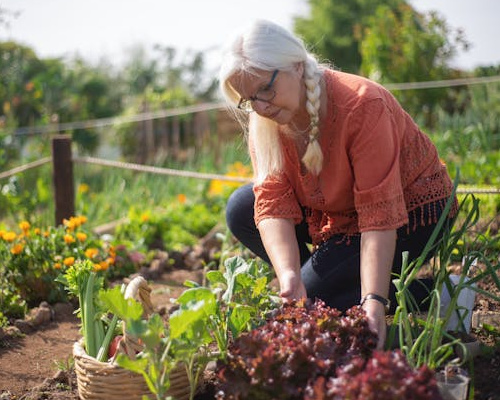
Some gardens look great, but don’t really do anything. Nice colors, neat borders, but nothing you actually use. And then you’ve got the kind where every plant earns its space. A handful for cooking, a few that help the bees, and something that smells good when you brush past it. It’s not fancy. Just practical in a way that makes the garden feel a bit more connected to your day-to-day life.
You don’t have to rip up the garden to get there; you just need to face the task at hand with a different mindset.
Start with Herbs You’ll Actually Use
Herbs are the easiest way into a purpose-driven garden because they don’t need fussing. Stick them in a pot, raised bed, whatever’s free. Rosemary, mint, thyme, sage — the usual suspects. They grow whether you’re paying attention or not.
And this is where you can play around with herbal garden varieties instead of the same store-bought options. Different shape leaves, stronger scents, colors that break up the green, they pull their weight in the kitchen and still look good sitting in a corner. That’s the kind of plant you want more of.
Bring In Plants To Help Everything Else
If you’ve ever tried growing fruit or vegetables and wondered why nothing pollinated, it’s usually because there’s nothing pulling the bees in. Stick in a few pollinator-friendly varieties in the mix — lavender, coneflowers, bee balm, borage. They don’t need a whole bed. Even a smaller cluster changes the energy of the space.
By doing this, you get more life flowing through the garden, and your productive plants suddenly start behaving like they’re supposed to. No special care, just plants doing what they do.
Add Calming Ones
Not every plant needs to feed you. Some just take the edge off. Chamomile, calendula, lemon balm. Plants that feel gentle, smell good, and make the whole place feel calmer. You don’t need to use them for tea or slaves unless you want to. Sometimes, just walking past them and catching the scent is enough.
Grow A Bit of Food
Even if you’re not aiming for a full kitchen garden, grow something edible. Tomatoes, bell peppers, salad greens. Anything that gives you a reason to stop outside and check on it. Once you start harvesting even small bits, the garden stops being a decorative background.
It becomes part of your routine — a place you interact with, not just look at.
Let It Shift
A purposeful garden isn’t a fixed or static layout. You’ll lose a few plants. You add others. Something unexpected will thrive for no clear reason. That’s completely normal. You need to follow what works and move things around if they don’t. The whole idea is planting with intention, not perfection. A garden that looks good is nice. But a garden that does something for you is much better. And once you start choosing plants that give you more than a pretty bloom, the whole space just feels different, and it finally has a reason to exist.