Understanding Dental Implants
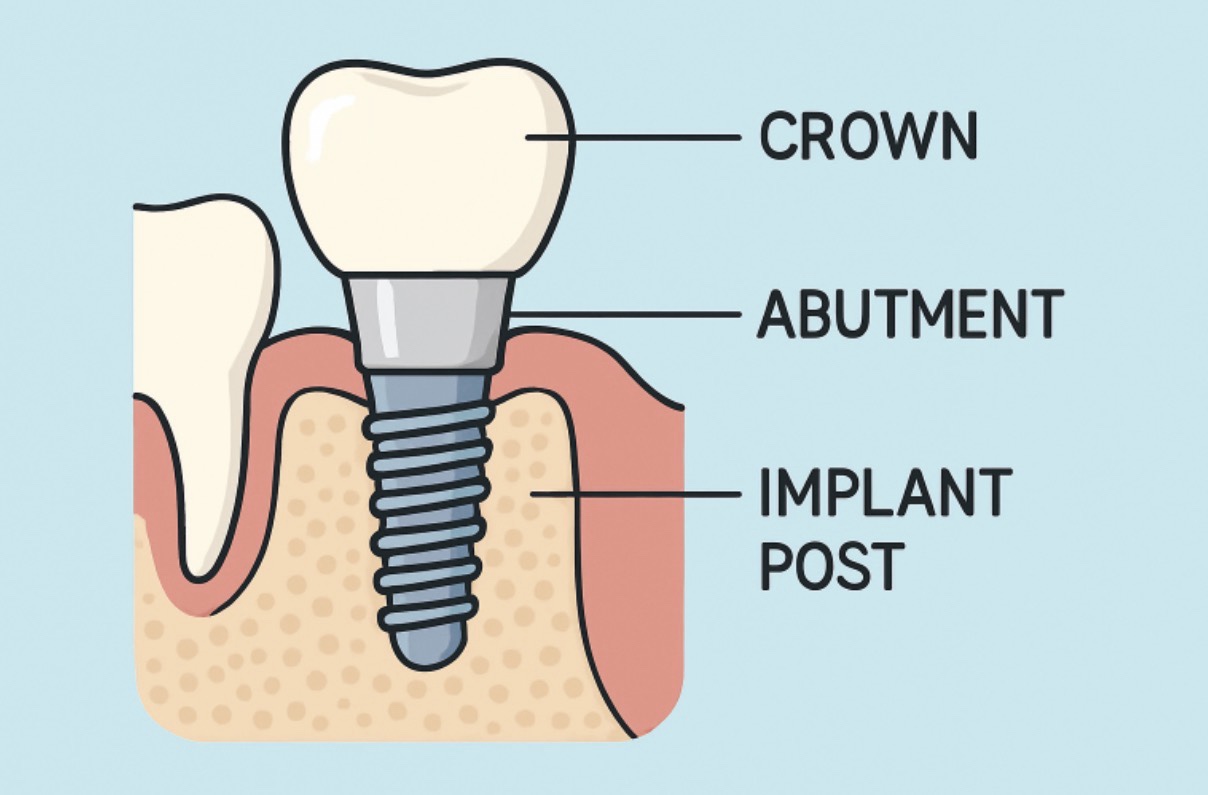
Dental implants have become the modern gold standard for replacing missing teeth, offering both stability and a natural appearance. A dental implant is composed of three primary components: an implant post (usually made from titanium or zirconia), an abutment, and a crown. Through a process called osseointegration, the implant post fuses with your jawbone, anchoring the replacement tooth so it mimics the look and function of natural teeth. For those seeking reliable solutions near Missouri, dental implants St. Louis, MO, provides specialized care in this field.
Dental implants are highly durable and comfortable, often preferred over bridges or dentures. They restore confidence in speaking, eating, and smiling while preserving jawbone integrity. With high success rates and patient satisfaction, implants closely mimic natural teeth in both function and appearance, enhancing oral health and quality of life. Clinical studies confirm their long-term effectiveness, with implant posts potentially lasting decades or even a lifetime, while crowns typically require replacement every 10–15 years. Longevity depends on placement technique, material quality, and the dentist’s expertise, often exceeding the lifespan of traditional restorations.
Factors Influencing Implant Longevity
- Oral Hygiene: Daily brushing, flossing, and routine professional cleanings are critical for preventing peri-implant diseases, such as peri-implantitis, which threaten implant stability.
- Smoking: Nicotine constricts blood vessels and impedes healing, making smokers more susceptible to implant failure.
- Systemic Health Conditions:Uncontrolled diabetes, autoimmune disorders, or osteoporosis may compromise healing and bone quality, potentially affecting the implant’s longevity.
- Bone Quality: Sufficient jawbone density is crucial to support the implant. Bone loss over the years, if unchecked, can threaten the security of the implant post.
- Teeth Grinding (Bruxism): Continual grinding can place excessive stress on an implant, risking fracture or loosening of the prosthetic crown. According to The Guardian, managing bruxism often involves stress reduction techniques, protective mouthguards, and professional dental guidance to prevent damage to both natural teeth and implants.
Maximizing the Lifespan of Your Dental Implants
Good oral hygiene is the cornerstone of implant durability. Brushing twice a day and flossing with special tools, such as interdental brushes or water flossers, helps minimize bacterial plaque. Professional cleanings, along with guidance from sources like Healthline on best practices for healthy teeth, offer valuable tips for maintaining oral health. Annual exams allow your dentist to monitor both the implant and the surrounding tissues.
- Schedule regular dental visits to enable early intervention if complications arise.
- Avoid smoking and moderate your alcohol intake to support healing and oral health.
- If you grind your teeth at night, a custom-made night guard can absorb excess pressure and protect your investment.
- Work with your healthcare providers to manage any chronic health conditions that may affect your oral health.
Recognizing Potential Issues
Early detection of implant problems prevents major complications. Be aware of symptoms such as gum redness, swelling, bleeding, pain, a persistent bad taste, or any movement of the implant or attached crown. These warning signs may indicate infection, peri-implantitis, or mechanical issues. Prompt consultation with your dentist ensures minor problems can be managed effectively before they threaten the implant or neighboring teeth.
When Repairs or Replacements Are Necessary
While the implant post is engineered to last a lifetime, crowns will eventually need to be replaced due to normal wear and tear. Dental bridges or crowns may crack, chip, or loosen over time, and periodic dental assessments can identify these issues early, allowing for timely restoration and continued oral health.
Advancements in Implant Technology
Nowadays, technology has greatly enhanced the reliability and precision of dental implants. Digital planning tools—like 3D imaging, computer-guided surgery, and custom CAD/CAM crowns—result in better fit, function, and aesthetics. These innovations have raised long-term success rates and ensured more predictable patient outcomes. Ongoing research and development continue to produce even more biocompatible materials, minimally invasive procedures, and improved recovery times.
Conclusion
Dental implants stand out as a long-term, reliable solution for tooth loss. With thoughtful self-care and routine monitoring by your dentist, you can expect your dental implants to support a healthy, confident smile for many years. Advances in technology and a proactive approach to oral health are key to maximizing your investment and ensuring your smile remains both functional and beautiful well into the future. You can speak to your general family dentist if you would like some more advice about how to take care of them better, and to check them regularly.