
You can follow the same workout routine for months, even years, and suddenly stop seeing results. That does not always mean you are doing something wrong. It usually means your body has adapted and is not being challenged the way it is used to, your recovery is off, your hormones have shifted, or your life has changed in ways your plan is not accounting for.
A plateau can feel frustrating when a lot of energy goes towards improving yourself. Your energy may be declining, and your body may not be responding the way it used to. If this is the case, the answer is rarely to push harder without thinking. The better move is to look at the full picture and adjust with purpose.

Via Unsplash
A Plateau Is Not Always About Effort
Sometimes a plateau has nothing to do with your routine, motivation, or discipline. When your body is under excessive amounts of stress due to work, lack of quality sleep, and family obligations, you might hit a plateau as well. If you’re consistently pushing yourself through intense workouts while never giving yourself adequate downtime to recover, those stressors will negatively impact both your ability to perform and your overall recovery.
Hormones Can Change the Rules
There are many hormones that play a significant role in controlling different aspects of our bodies, including metabolism, appetite, muscle repair, sleep patterns, and body fat distribution, which are influenced by these hormones. As we age, we experience hormonal fluctuations like menstrual cycle changes, perimenopause, menopause, or develop thyroid issues, experience chronic stress levels, and our hormone production levels are affected by these factors. If you trained at a certain level and saw great results at twenty-five years old, you would probably find that you could no longer achieve those same results at forty-five years old. At forty-five, heavier strength-based training, taking walks regularly, focusing on recovery, and consuming better quality foods might be far more effective than continually engaging in hardcore cardio.
Poor Recovery Can Stall Good Training
Even if you are utilising optimal training techniques, you will not become a better version of yourself during the workout itself. You will actually begin to improve after the workout. While you are exercising, you are breaking down tissue. Afterward, your body begins to rebuild and adapt. Therefore, your ability to recover from each workout directly influences how quickly and effectively you will progress. Sleep is typically the first indicator of poor recovery. Broken sleep patterns or inadequate sleep quantity affect more than just your ability to perform optimally. They also significantly alter your hunger patterns, moods, hormones, and ultimately your overall performance. Adequate recovery requires rest days, proper hydration, active mobility, and simply allowing yourself to relax. All of these fundamentals greatly contribute to successful recovery and thus successful training.
Under-fueling Can Backfire
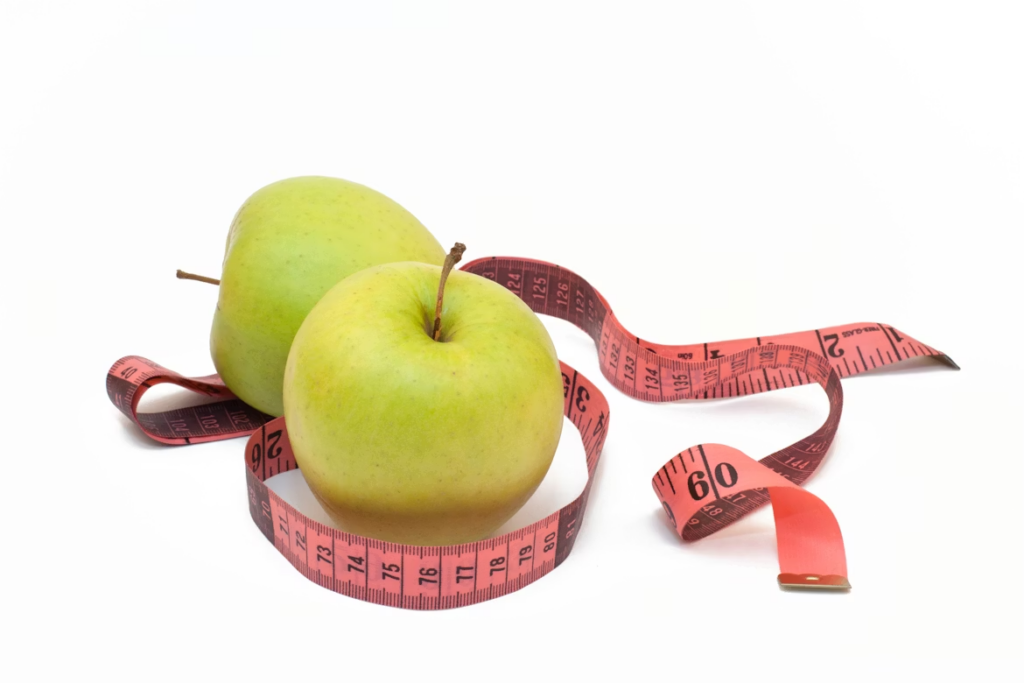
Many individuals who see their results begin to stagnate and cut calories or skip meals in an attempt to lose more fat. Reducing caloric intake to the extent that it hinders recovery from training will likely curb fat loss rather than enhance it. Under-fueling may make you feel like you are doubling down on efforts since it seems like you are showing restraint in terms of food choices. However, internally it presents as extreme fatigue, intense cravings, subpar lifting performance, irritable moods, and finally stagnant progression. To reverse this pattern and allow your body to function properly again, consume sufficient protein daily, provide carbohydrates to support your training sessions, and maintain a regular meal schedule.
Via Unsplash
Your Routine May Not Match Your Goal
It is very common to engage in training methods that seem beneficial yet do not align with your ultimate fitness goals. For example, someone attempting to lose fat may be performing too much unstructured high-intensity work without sufficient strength training. Or someone looking to gain muscle mass may be training in a way that is not challenging their muscles enough. Identify exactly what you wish to accomplish – strength, fat loss, more muscle, increased energy levels – and create a routine centered upon that goal. A scattered plan gives scattered results. A focused plan gives you something measurable to improve.
What to Track Instead of the Scale
While tracking your weight can give some indication of whether you are making progress toward achieving your fitness goals, it is not always indicative of actual progress. As previously mentioned, the benefits of a particular routine extend beyond fat loss. Other indicators include increases in strength levels, enhanced endurance abilities, improved sleep patterns, looser-fitting clothing, and enhanced mental clarity throughout the day.
Monitoring various additional metrics will assist in determining whether you merely require additional time with your current routine to produce desired results or if it is indeed necessary to make alterations. Pay attention to how hard sets feel, how long recovery takes, and whether you feel stronger week to week. These details tell a more accurate story than the scale alone.
What to Try Next
Start with one meaningful change instead of rebuilding everything at once. Add progressive overload to your strength work. Take recovery seriously for two full weeks. Eat a real meal after training. Replace a punishing session with a long walk. If you need structure and accountability, a supportive program such as a weight loss boot camp, for example, can help you reset your approach with meaningful support.
The key is to test changes one at a time. That makes it easier to see what is helping. It also keeps you from bouncing between trends that promise quick fixes but solve nothing.
A Smarter Way Forward
When an old workout routine stops working, your next step should be thoughtful, not extreme. Plateaus happen because bodies adapt, recovery gets ignored, hormones shift, and nutrition falls out of sync with effort.
You do not need to panic. You need a better read on what your body is asking for now. A fresh plan, better fuel, and honest recovery can restart progress. Most of all, remember that stalled results are not failures. They are feedback.