Homeowners know that getting their landscaping right is critical; they want to have an attractive property with curb appeal. However, DIY landscaping can sometimes be dangerous and lead to serious injuries. That’s why it’s important to work with professionals. Many people who own their properties visit the ER every year because they have been hit by falling tree branches or they have been crushed by a retaining wall.
The purpose of this post is to keep your landscaping weekend project safe. We look at all of the things you can do to reduce your risks and still have a great looking home.
Hearing damage from noisy tools
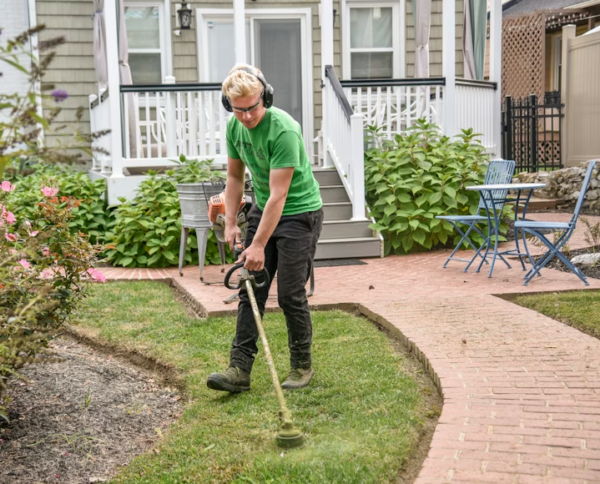
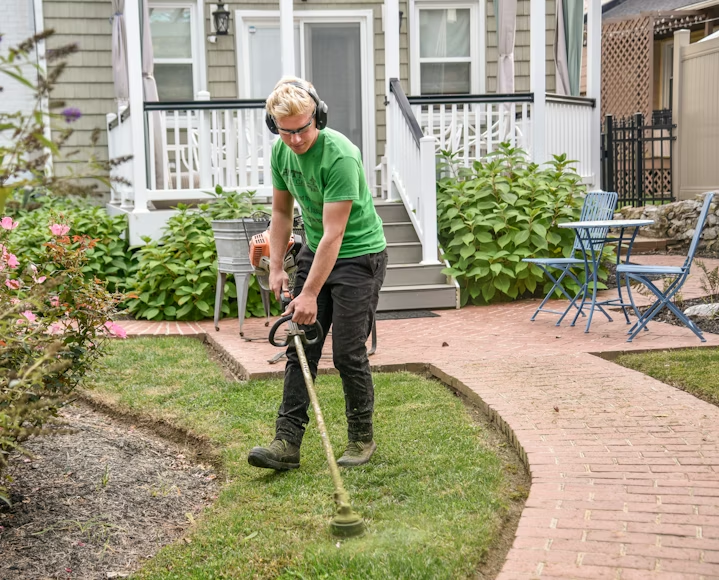
Things like lawn mowers and leaf blowers can actually be quite loud. Many studies show that sometimes they enter a dangerous volume range above 85 decibels, which in some people can cause hearing impairments, especially if you have prolonged exposure over time. You’ll notice that professionals who work with noisy equipment always use earbuds and earmuffs. These block out around 20 to 30% of the energy going to the ears, making everything sound quieter. Most importantly, they protect the sensitive middle and inner ears from damage over time, damage that can’t be reversed.
If you’re using loud equipment like lawn mowers or hedge trimmers, always wear ear muffs. Keep them in the shed or near to the equipment so you never forget to use them. Don’t leave your ears exposed, especially if you are going to be working with noisy equipment for more than a few minutes.
Ladder falls
Ladder falls are another significant risk for people who like to work on their own properties. Climbing ladders for gutter cleaning or tree pruning and trimming is dangerous.
One of the reasons it’s so dangerous is that most regular homeowners don’t know how to use ladders properly. Often they’ll just prop them up against the wall without considering whether they might slide or move out of position. Activities conducted at height can lead to all sorts of problems like twisted bones and serious crush injuries.
Therefore, keep your work space tidy and only use stable ladders. Make sure there’s always someone who’s spotting you. Failing that, use professionals to do your gutter cleaning, roof repair work, and tree trimming for you. Don’t attempt to work at heights if you’re not used to doing it.
Hitting underground utilities
Another problem you can run into is hitting underground utilities when you are working on things like patios. Some lines can be very close to surface level, making it easy to dig into them. Electric lines are the most dangerous, but of course water bursting or water lines can also lead to extensive damage to your property. Many property owners need to go to the ER because they’ve been shocked or there’s been an explosion because they’ve hit a gas line.
If you don’t know where the gas lines are on your property but you want to undertake significant landscaping, then you can call services that will mark out your lines for you before you begin digging. They can usually detect lines down to the depth that you plan to work so you don’t have any nasty surprises.
Bee and wasp stings
A more mundane risk when working on landscaping outside on your property is bee and wasp stings. Individual insects can sting you at any time, so you may want to wear thicker clothing while outside. If you are allergic, you’ll need to be even more careful. Some people can go into shock after being stung by bees and wasps that have specific types of poison in their tails.
The biggest risk is when pruning bushes or edging. Sometimes you can disturb a bee wasp’s nest and thousands of individual insects can suddenly pour out and overwhelm you. In a situation like this, you’ll need to go indoors immediately and make sure that insects can’t get in.
If you think you have a wasp nest on your property, then call in professionals to see if they can remove it. As long as the species isn’t endangered, they can exterminate it for you there and then.
Poisonous plants
Brushing up against poisonous plants while pulling out weeds can cause itchiness. Most people will develop a rash within a week that sometimes blisters.
The good news is that you can protect against this. All you need to do is recognise the plants which are problematic and remove them while wearing gloves. Simply pulling them out of the soil and putting them in the compost is a good idea. If you have sumac on your property, it can be more challenging to recognise, so look through horticulture books to see what to watch out for.
Chemical burns from synthetic compounds
Another risk is the spraying that occurs whenever you apply weed killers or fertilizers on your property. These can contain chemicals that irritate the skin and eyes.
Therefore, to avoid issues with these, only apply them when the weather is warm, don’t bother to spray anywhere when the winds are high and the chemicals can go all over your body. Also, read labels carefully to adjust to the risks and wear regular protective clothing like gloves and goggles.
When it comes to spraying, kids and pets are your biggest risk. Therefore, make sure you keep them away from any areas that you treat.
Heat exhaustion
Finally, a big risk is working on your landscaping and gardening during hot days. While it might seem essential at the time, summer heat often leads to dizziness and nausea. If you experience any of these symptoms, go inside and put the air conditioning on immediately. Heat exhaustion is a serious health problem and can lead to all sorts of complications. If you feel like your condition is deteriorating after several hours, go to the emergency room. Medical professionals can provide you with a treatment that reduces the severity of symptoms.
To get around this issue, always work in cooler mornings or the late evenings out of the sun. Also, make sure you’re drinking plenty of water if you’re doing anything physical.